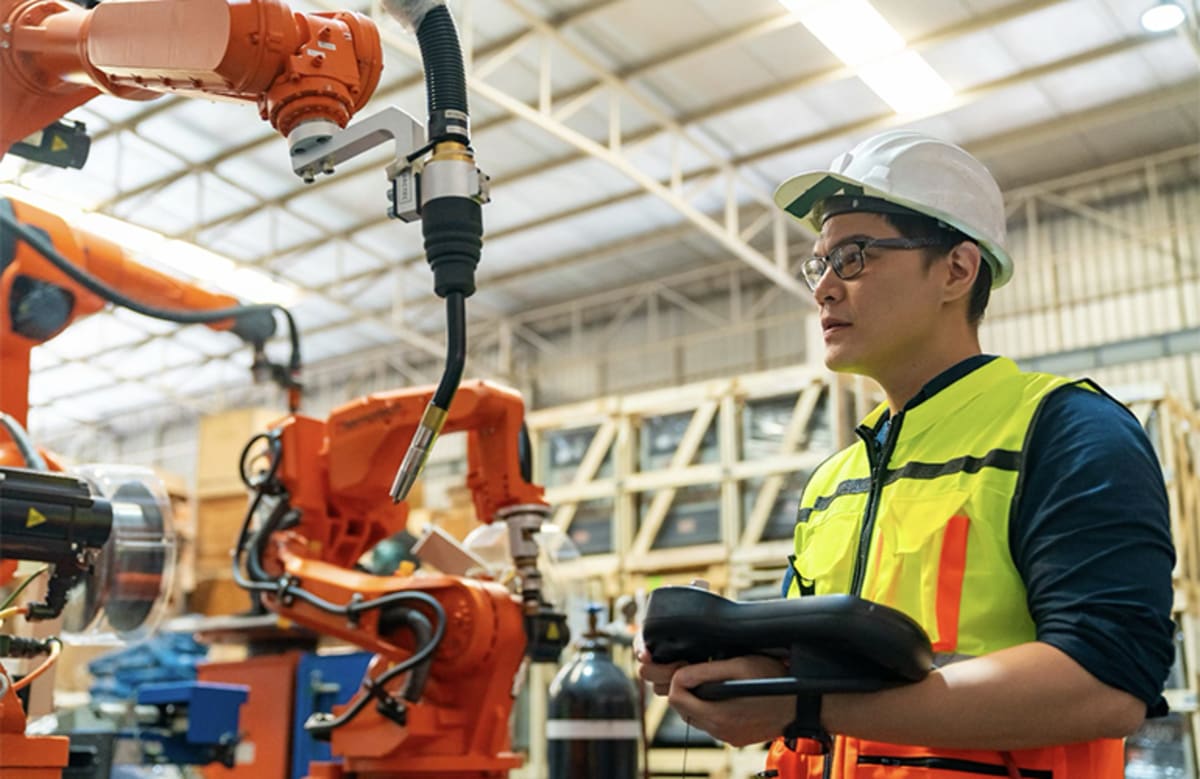
Robots Learn to See, Hear, and Work Safely Beside Humans
Engineers are teaching humanoid robots to sense their surroundings like humans do, using advanced vision and hearing technology. This breakthrough could make robots safe enough to work alongside people in everyday settings.
Robots are getting smarter about sharing space with humans, and the technology helping them "read the room" is already here.
As more humanoid robots prepare to work in warehouses, hospitals, and factories, engineers face a fascinating challenge: how to give machines the split-second awareness humans take for granted. When we walk into a crowded room, our brains instantly process where everyone is, what sounds matter, and how to move without bumping into anyone. Robots need to learn the same skills.
The solution starts with better eyes. Humanoid robots now use advanced camera systems that combine standard vision with depth perception, letting them see objects and people in three dimensions. But seeing isn't enough. The real innovation comes from processing that visual information instantly, right inside the robot's body rather than sending it to distant computers.
Engineers borrowed proven technology from self-driving cars to solve the wiring problem. A system called GMSL carries massive amounts of video data through a single lightweight cable, helping robots stay nimble while maintaining constant visual awareness. This means a robot can spot a person stepping into its path and react fast enough to stop safely.
Hearing matters just as much as seeing. Advanced microphone arrays let robots identify where sounds come from and what they mean. If a box crashes to the floor behind a robot, the machine needs to know instantly what happened and where. Technology called A2B connects multiple microphones using just two wires, giving robots accurate hearing without adding heavy cables that slow them down.
The Ripple Effect shows up in how these technologies work together. When robots can reliably sense their environment, they become trustworthy coworkers instead of dangerous machines that need constant supervision. Companies facing worker shortages could deploy helpful robots that genuinely collaborate with human teams.
Power systems matter too. These robots run on lithium-ion batteries similar to electric cars, and new monitoring technology can detect battery problems before they become dangerous. This keeps both the robots and the people around them safe.
The same sensors and processing systems already proven in millions of cars are now teaching robots to navigate human spaces. Every improvement in robot awareness opens new possibilities for where these machines can safely help.
This technology transforms robots from isolated factory equipment into potential teammates who can work shoulder-to-shoulder with people without putting anyone at risk.
More Images

Based on reporting by The Robot Report
This story was written by BrightWire based on verified news reports.
Spread the positivity!
Share this good news with someone who needs it