Rogue Planets' Moons Could Harbor Life for Billions of Years
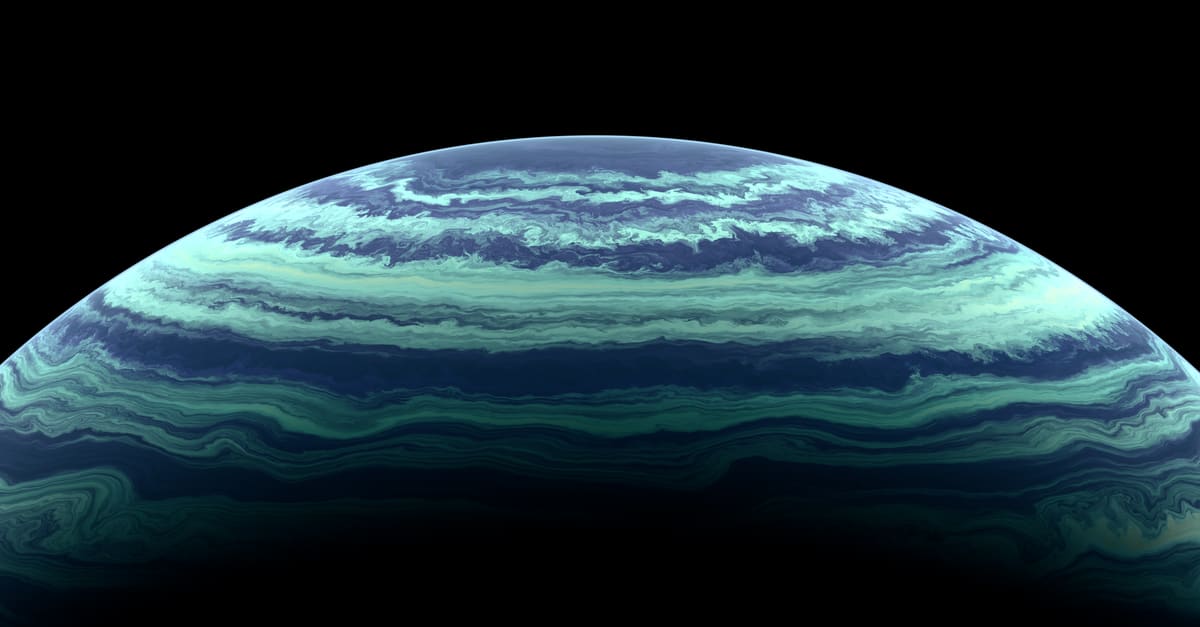
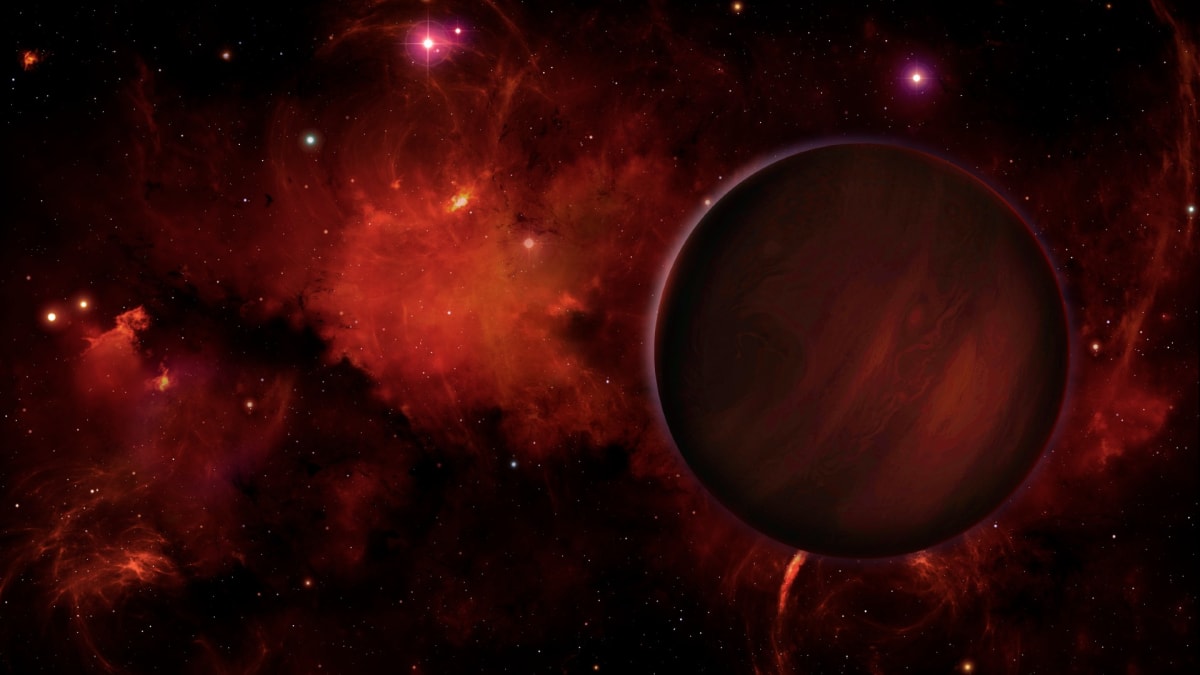
Scientists discovered that moons orbiting lonely, star-less planets drifting through space might stay warm enough for liquid water for over 4 billion years. Thick hydrogen atmospheres and internal heating could make these seemingly desolate worlds surprisingly hospitable.
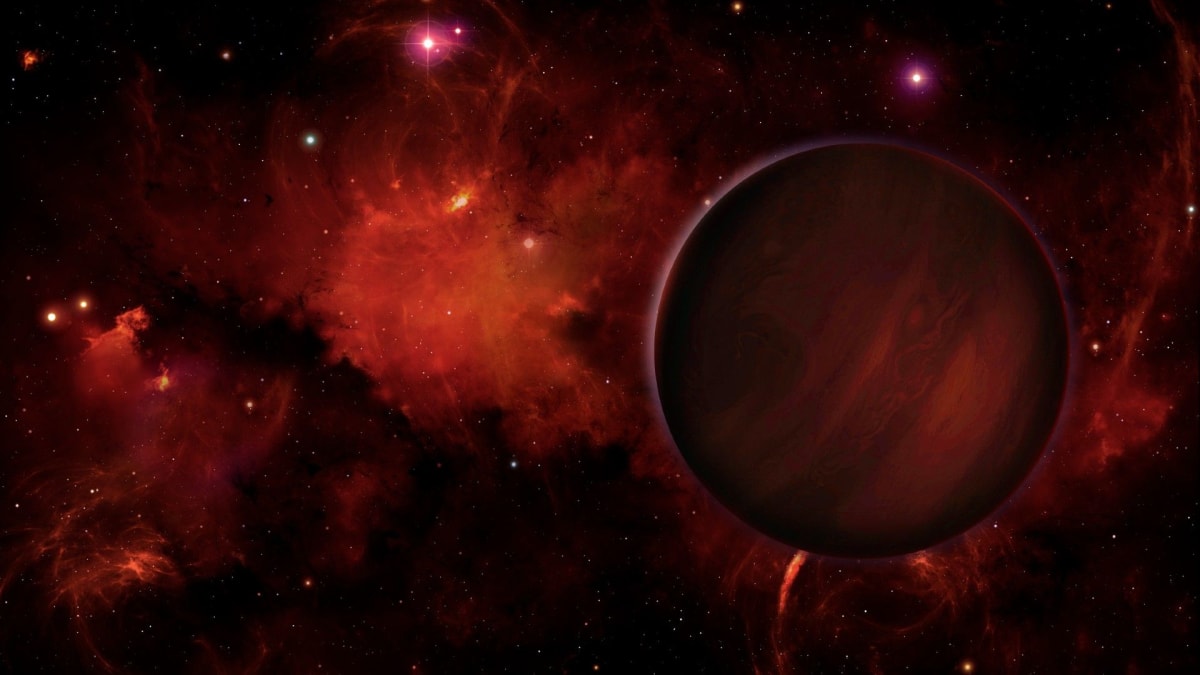
Imagine a world drifting through the darkness of space with no sun to warm it. Sounds like the last place you'd expect to find life, right?
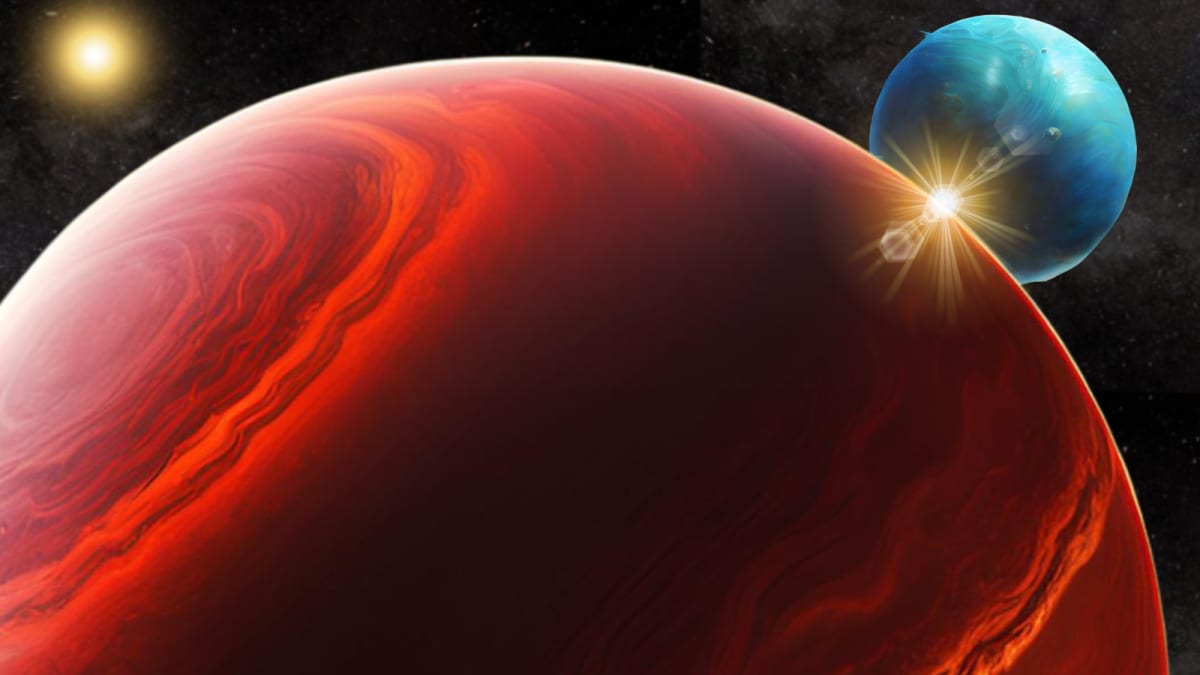
Scientists just turned that assumption on its head. New research reveals that moons orbiting rogue planets, those cosmic wanderers kicked out of their star systems, might actually be cozy enough for life.
Here's the wild part: there could be 21 rogue planets for every star in our galaxy. That's trillions of these lonely worlds sailing through eternal night, and many likely have moons tagging along for the ride.
For years, astronomers figured these starless moons were frozen wastelands. Without a sun, how could anything stay warm enough for liquid water, the ingredient scientists consider essential for life?
The answer lies in an internal furnace. When a planet gets ejected from its star system, its moons experience gravitational tug-of-war that stretches and squeezes them, generating heat from the inside out through a process called tidal heating.
Early models suggested thick carbon dioxide atmospheres could trap this heat. But there was a problem: under the intense pressures needed, CO2 tends to condense into liquid or solid form, causing the atmosphere to collapse.
The Bright Side
Enter hydrogen, the universe's most abundant element. Scientists using sophisticated computer models discovered that thick hydrogen atmospheres work beautifully as insulating blankets on these moons.
The magic happens through collision-induced absorption. When hydrogen molecules get packed together in a dense atmosphere, they briefly team up to absorb infrared radiation, trapping heat like a cosmic thermos.
This process could keep surface temperatures just right for liquid water for up to 4.3 billion years. That's nearly as long as life has existed on Earth.
Researchers used advanced tools to crack this puzzle, combining heat transfer models with chemistry calculations to paint a picture of these extreme worlds. Their work shows that the loneliest corners of the universe might be hiding habitable real estate we never imagined.
Of course, liquid water doesn't guarantee life. Scientists still have much to learn about what makes a world truly habitable, and these models make certain assumptions that need real-world testing.
But the discovery expands our search for life beyond the narrow band around stars we've traditionally focused on, opening up countless new possibilities in our cosmic backyard and beyond.
More Images


Based on reporting by Space.com
This story was written by BrightWire based on verified news reports.
Spread the positivity!
Share this good news with someone who needs it