Rooftop Rainwater Could Cut Urban Heatwaves by 0.8°C
Scientists discovered that spraying stored rainwater onto rooftops during hot weather can lower city temperatures, reduce air conditioning use, and cut the number of heatwave days. This simple solution offers cities a natural way to fight extreme heat without straining energy grids.
Cities might already have the perfect weapon against deadly heatwaves sitting on their rooftops: rainwater.
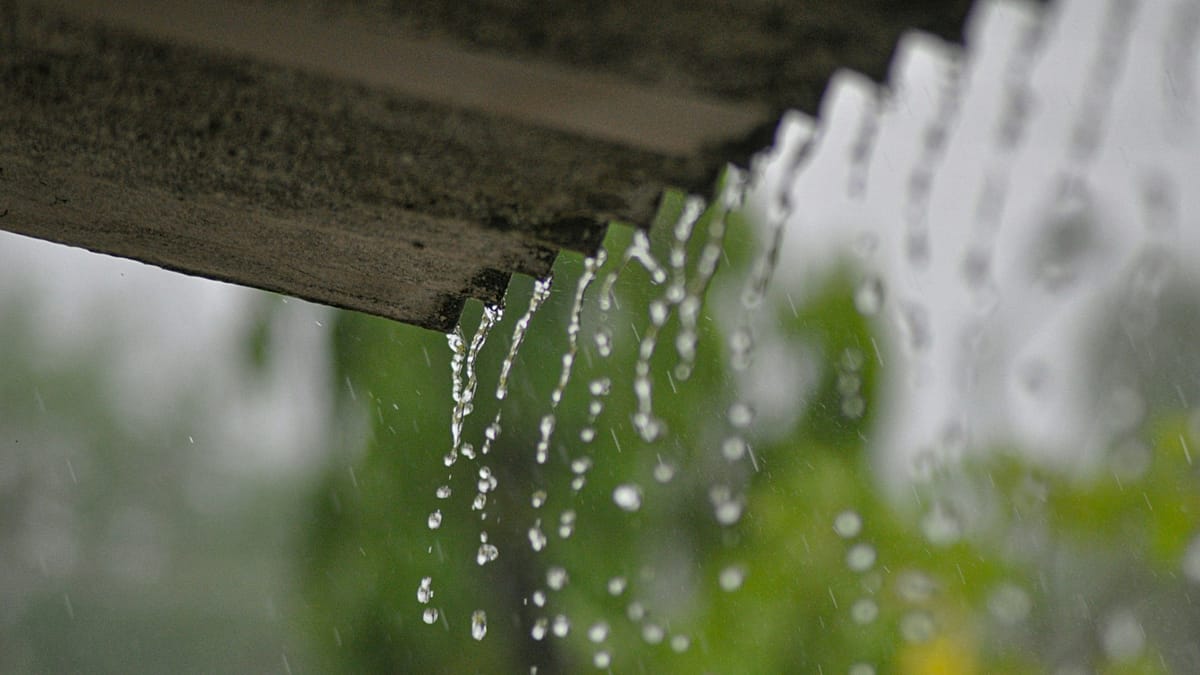
New research from The University of Manchester shows that collecting rainwater and spraying it onto buildings during hot weather can significantly cool down entire cities. The system works like a natural air conditioner, lowering roof temperatures so less heat seeps into buildings below.
The study modeled a simple setup: tanks store rainwater harvested from rooftops, then automatically spray it onto buildings when temperatures climb. As the water evaporates, it cools the roof surface dramatically.
The results surprised even the researchers. In Tokyo, where they tested the model, this approach could reduce urban temperatures and cut the number of heatwave days overall. A similar 2024 study found that reflective "cool roofs" in London could have lowered the city's temperature by 0.8°C during the brutal 2018 summer.
"Harvesting rainwater from roofs and using it strategically for cooling could provide a practical way to reduce both energy demand and urban temperatures," says lead author Dr. Zhonghua Zheng.
The timing of when sprinklers turn on matters more than tank size or water amount. The study found that triggering the spray when roofs reach a certain temperature delivers the best results. Bigger tanks only provided modest additional benefits, and extra water didn't always help because some stayed on the roof instead of evaporating.
The beauty of this system goes beyond just cooling. When buildings stay cooler, people need less air conditioning. That means lower electricity bills and less strain on energy grids during heat emergencies.
Air conditioning currently gobbles up seven percent of the world's electricity. Experts warn that AC units could triple to 5.5 billion installations in the next 30 years as extreme heat becomes normal. That surge would send emissions soaring and stress already struggling power grids.
Even worse, air conditioners create a vicious cycle. They dump heat outside while cooling indoor spaces, which intensifies the urban heat island effect where cities trap warmth between tall buildings and concrete surfaces.
The Ripple Effect
This rainwater approach offers cities a way to break that cycle. Less air conditioning means less heat waste pumped back into streets. Cooler roofs mean lower energy demand. And the stored rainwater provides an extra bonus by reducing urban flooding during heavy storms.
"This approach exemplifies a 'natural solution to natural challenges,' in which rainwater serves as a natural resource to mitigate both thermal stress and hydrological extremes," says PhD researcher Junjie Yu.
The benefits grow even stronger during hotter years, suggesting this solution becomes more valuable exactly when cities need it most. As summers get fiercer, the rainwater already falling on our roofs could become our best defense against dangerous heat.
Cities worldwide are now looking at how to adapt this system for their own climates, turning something as simple as collected rainwater into a lifesaving resource.
More Images



Based on reporting by Euronews
This story was written by BrightWire based on verified news reports.
Spread the positivity!
Share this good news with someone who needs it