Science Proves Fatherhood Physically Changes Men's Brains
New research reveals that men undergo profound biological transformations when they become fathers, including hormonal shifts and brain rewiring that mirror changes in mothers. The more involved a dad is with his baby, the deeper these changes become.
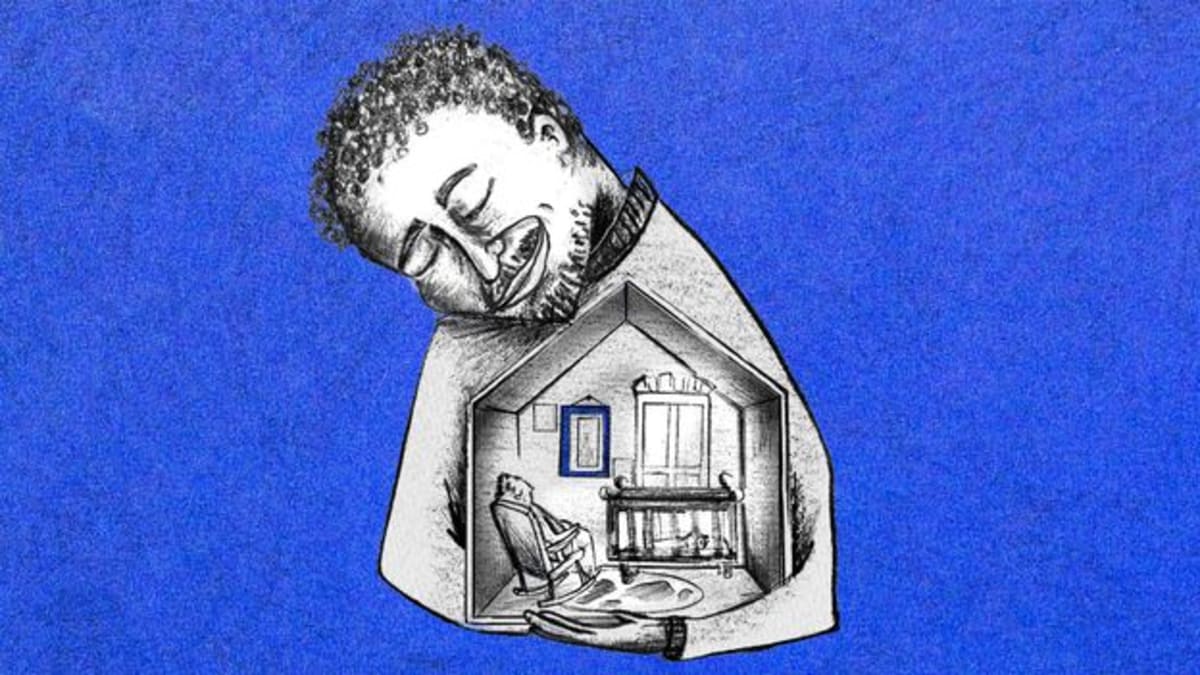
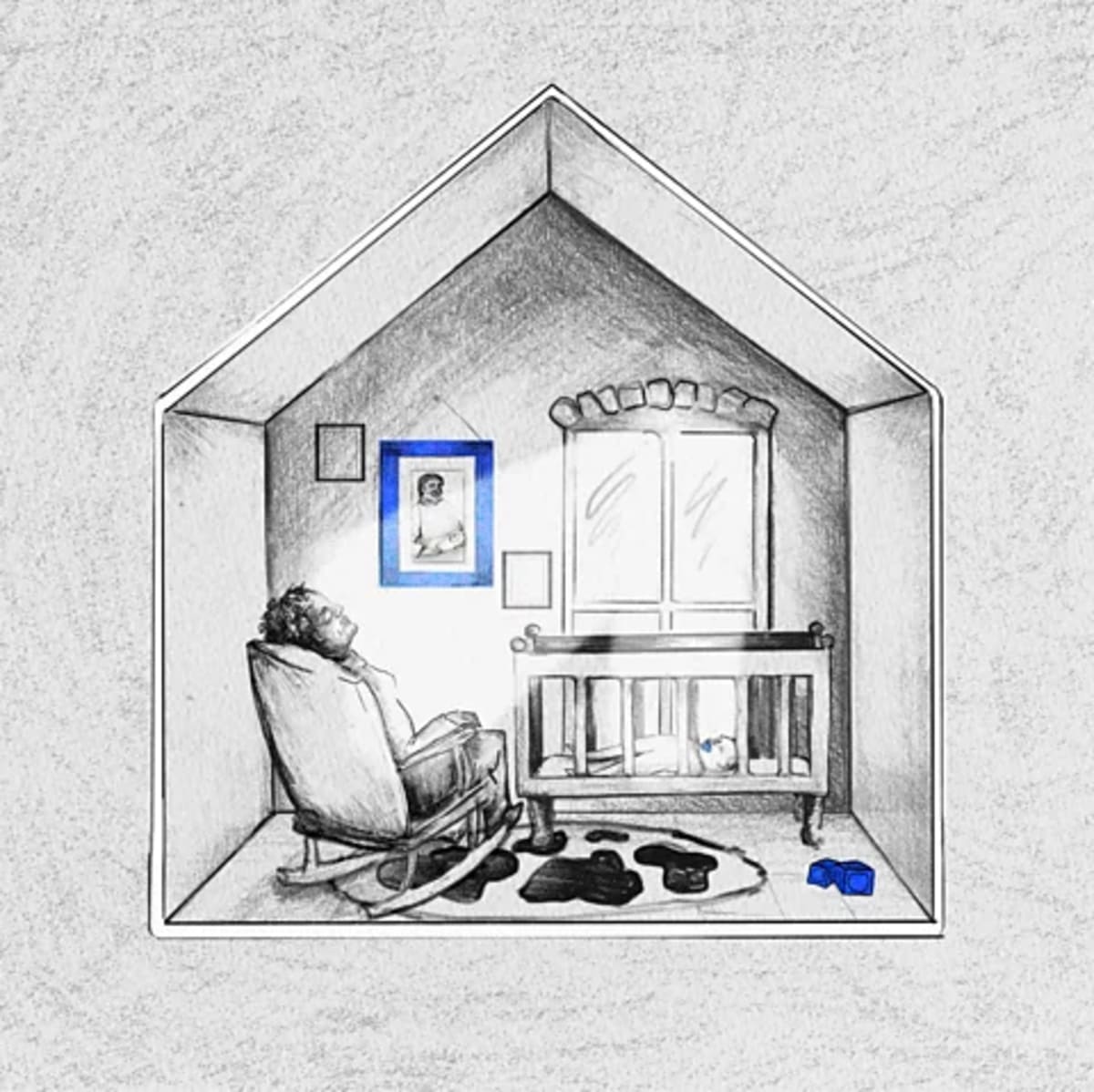
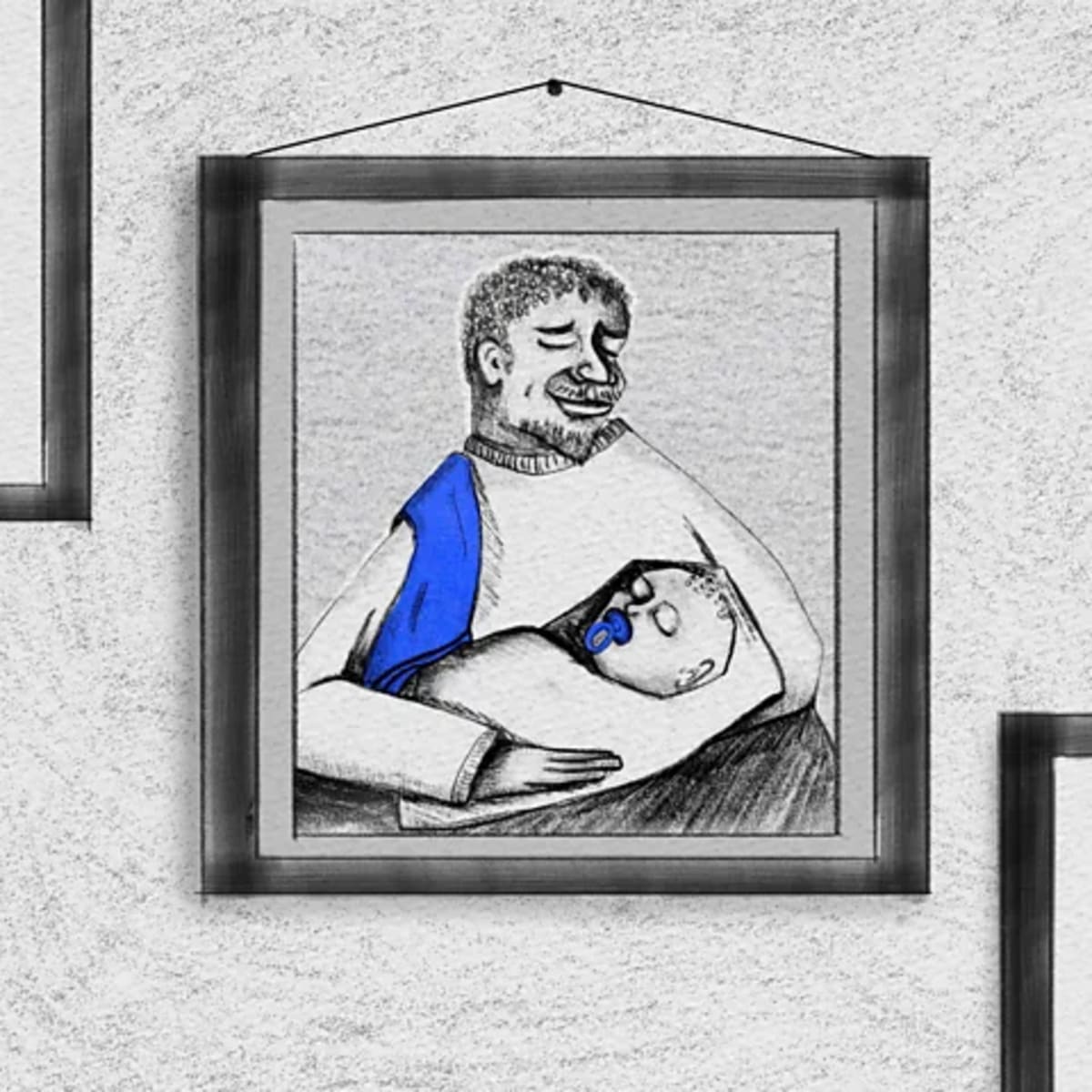
Scientists have discovered something remarkable: fatherhood doesn't just change how men act. It actually rewires their brains and reshapes their hormones, preparing them to nurture and protect their children.
When anthropologist Lee Gettler started studying this phenomenon in the early 2000s, almost nobody was researching how fathers change biologically. Today, his groundbreaking work reveals that becoming a dad triggers drops in testosterone that make men more responsive to baby cries and more invested in childcare.
The science gets even more surprising. Researchers at Emory University found these hormonal changes start just four months into pregnancy, long before men ever hold their babies. Expectant fathers showed significantly lower testosterone and vasopressin levels compared to men without children on the way.
The really good news? The more time fathers spend caring for their babies, the stronger these biological shifts become. Men who shared a bed with their infants or spent more hours doing childcare showed the largest hormonal changes. Their bodies were literally adapting to make them better caregivers.
This pattern isn't unique to humans either. Scientists first noticed these changes in other mammals and primates in the late 20th century. Many male animals show similar hormonal shifts when they engage in active parenting, suggesting this capacity runs deep in our evolutionary history.
Gettler's team in the Philippines tracked 624 young men over four years to solve a chicken-and-egg puzzle. Do low-testosterone men become fathers, or does fatherhood lower testosterone? The answer was clear: becoming a father caused the change, not the other way around.
Why This Inspires
This research tells us that nurturing fathers aren't a modern trend or just a cultural choice. Men are biologically wired to be "every bit as protective and nurturing as the most committed mother," according to primatologist Sarah Blaffer Hrdy. That capacity has always been there, waiting to be activated.
The science validates what many families already know: hands-on fathering isn't just good for kids and partners. It transforms dads at the deepest biological level, reshaping them into the caregivers their children need.
These findings offer hope for generations of children who will grow up with fathers whose bodies and brains are literally designed to care for them.
More Images
Based on reporting by BBC Future
This story was written by BrightWire based on verified news reports.
Spread the positivity!
Share this good news with someone who needs it