Scientist Names "Prettiest" New Moth Species After Wife
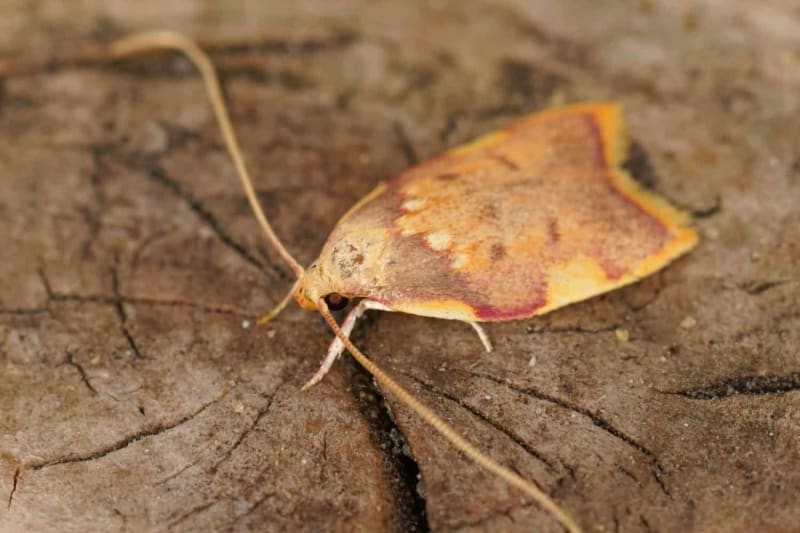
An Austrian researcher discovered a vibrant pink and yellow moth hiding in plain sight for 250 years, mistaken for a common species. He named the stunning Mediterranean moth after his wife to celebrate their 42nd wedding anniversary.
For 250 years, a gorgeous pink and yellow moth fluttered through Mediterranean forests while scientists assumed it was just another common oak moth.
Dr. Peter Huemer at Austria's Tyrolean State Museum Ferdinandeum suspected something different was happening. The moths looked identical to the oak carcina moth discovered in 1775, but modern DNA testing revealed an amazing secret.
The vibrant insects were actually a completely separate species that had been breeding independently for millions of years. Their genetic difference was three times larger than the gap between humans and chimpanzees.
Dr. Huemer collected 100 moth specimens and used DNA barcoding technology to crack the case. This technique analyzes a specific gene fragment that acts like a fingerprint, identifying species regardless of their appearance.
The results were clear. What everyone thought was one widespread moth was actually two distinct species living side by side.
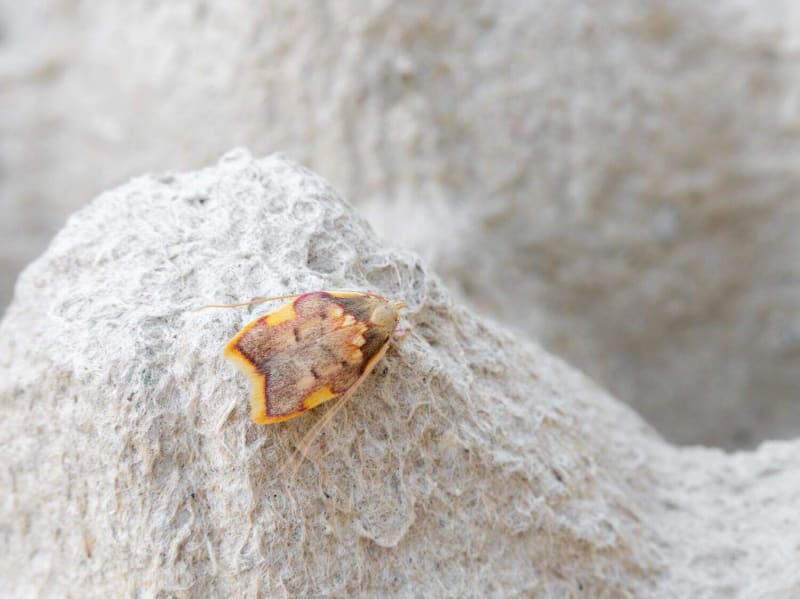
The newly identified moth measures about two centimeters long with soft, almost furry wings in brilliant pink and yellow. It lives across the eastern Mediterranean in countries like Greece, Turkey, Croatia, and Cyprus.
Why This Inspires
Dr. Huemer made his discovery even more heartwarming by naming the species Carcina ingridmariae after his wife, Ingrid Maria. He completed the study around their 42nd wedding anniversary.
"It is without doubt the prettiest species I have encountered in my long scientific career," he told reporters. His wife had accompanied him on countless field trips and supported long laboratory hours throughout his research.
The discovery shows how modern technology helps us see the natural world with fresh eyes. DNA barcoding has revealed that many "single" species are actually multiple species hiding in plain sight.
Costa Rican butterflies once thought to be one species turned out to be 10 different species. Even giraffes belong to four distinct species that don't crossbreed in nature.
Scientists now understand that animals identify each other through signals far more nuanced than appearance alone. The oak forests of the Mediterranean held this colorful secret for centuries, waiting for the right technology and a dedicated researcher to bring it into the light.
A love story and a scientific breakthrough wrapped into one beautiful, furry-winged package.
More Images



Based on reporting by Google News - Scientists Discover
This story was written by BrightWire based on verified news reports.
Spread the positivity!
Share this good news with someone who needs it