Scientists Bring Back Golden Sea Silk After 2,000 Years
Researchers in South Korea have recreated the legendary golden sea silk once worn by emperors and popes, solving the mystery of how its shimmering color stays brilliant for centuries. The breakthrough could transform sustainable fashion while giving new purpose to seafood waste.
For 2,000 years, one of history's most beautiful fabrics existed only in museums and ancient stories. Now scientists have brought it back to life.
Researchers at Pohang University in South Korea successfully recreated sea silk, the shimmering golden fabric once reserved for Roman emperors and religious leaders. They used fibers from pen shell clams already farmed in Korean waters, breathing new life into a textile tradition lost to time and environmental destruction.
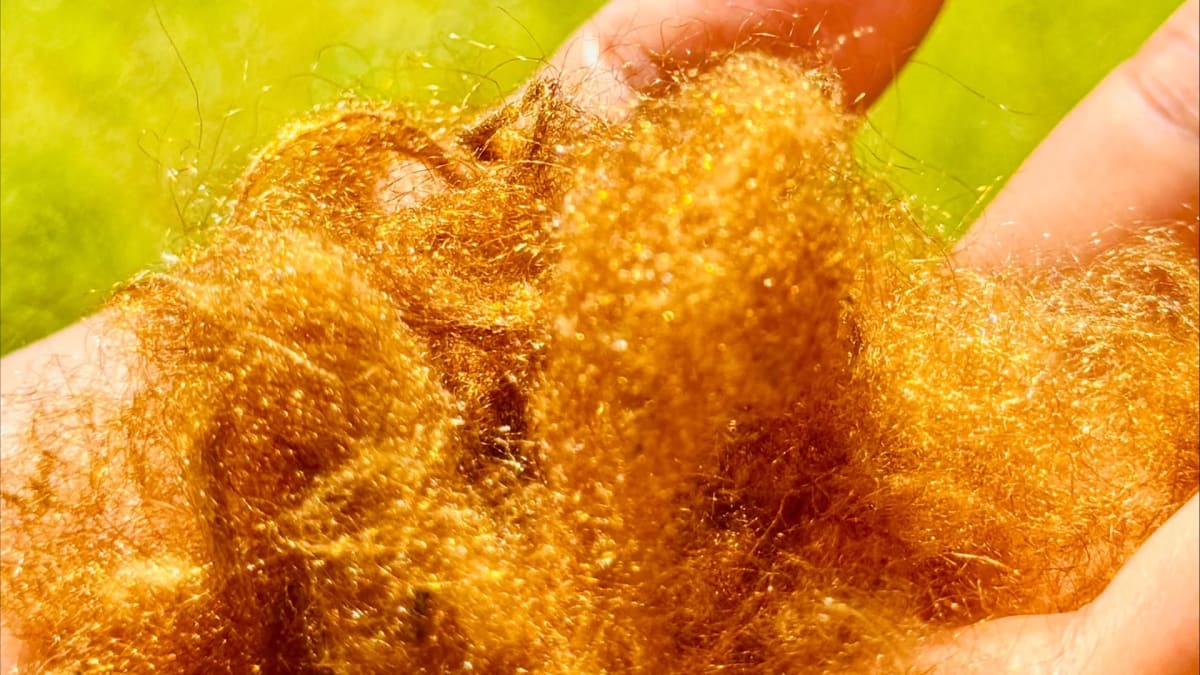
Sea silk earned its legendary status for good reason. The material glowed with a natural golden shimmer, weighed almost nothing, and lasted for centuries without losing its brilliance. Ancient civilizations harvested it from Pinna nobilis, a massive Mediterranean clam that spun delicate threads to anchor itself to rocks.
But pollution and habitat destruction pushed these clams to the brink of extinction. The European Union banned all harvesting, leaving authentic sea silk nearly impossible to find. Only a handful of artisans still produce tiny amounts by hand.
Professor Dong Soo Hwang and his team found hope in an unexpected place. Korean pen shell clams, already cultivated for food, produce similar threads that get thrown away as waste. The researchers discovered these discarded fibers matched the Mediterranean version in structure and chemistry.
Then came the bigger mystery. Why did sea silk's golden color survive centuries when other ancient fabrics faded to dust?
The answer lies in something called structural coloration. Instead of using pigments or dyes, sea silk creates color through microscopic protein structures called photonin. These tiny spheres layer together and bend light the same way soap bubbles create rainbows or butterfly wings shimmer in the sun.
Because the color comes from the fiber's architecture rather than added chemicals, it cannot fade. The more precisely these proteins align, the more vivid and stable the golden glow becomes. It is color built into the very structure of the material itself.
The Ripple Effect
This discovery reaches far beyond recreating a historical curiosity. Millions of pounds of pen shell byssus threads get discarded as seafood waste every year. Transforming this trash into treasure creates valuable textiles while reducing ocean pollution.
The technology opens doors for sustainable fashion that does not rely on synthetic dyes, which account for massive water pollution worldwide. Clothing that generates color through structure instead of chemicals could last generations without fading, reducing the waste from fast fashion.
Professor Hwang sees even broader possibilities. "Our technology enables long-lasting color without dyes or metals, opening new possibilities for sustainable fashion and advanced materials," he explained.
What started as waste from clam farms might help dress a more sustainable future in colors that never fade.
Based on reporting by Science Daily
This story was written by BrightWire based on verified news reports.
Spread the positivity!
Share this good news with someone who needs it