Scientists Create Water Armor That Cleans Clothes Sans Soap
Chinese researchers invented a coating that organizes water molecules into a protective shield on fabric, preventing stains from sticking and slashing laundry water use by over 80%. The breakthrough could transform how the world does laundry while dramatically reducing environmental harm.
Your T-shirt might soon clean itself with just a splash of water, thanks to a revolutionary fabric coating that Chinese scientists are calling "molecular water armor."
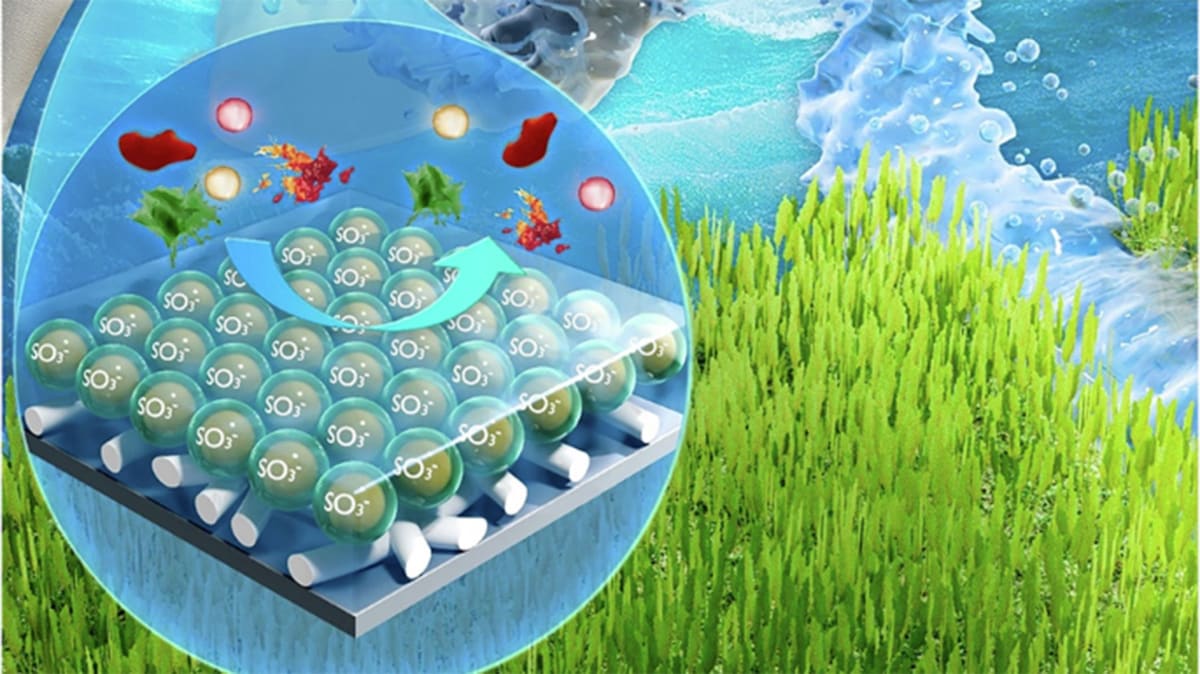
Researchers at Southeast University and Jilin University created a spray-on coating that arranges water molecules into an ultrathin protective layer on fabric surfaces. This invisible shield stops food stains, oils, and dirt from bonding with clothing fibers in the first place.
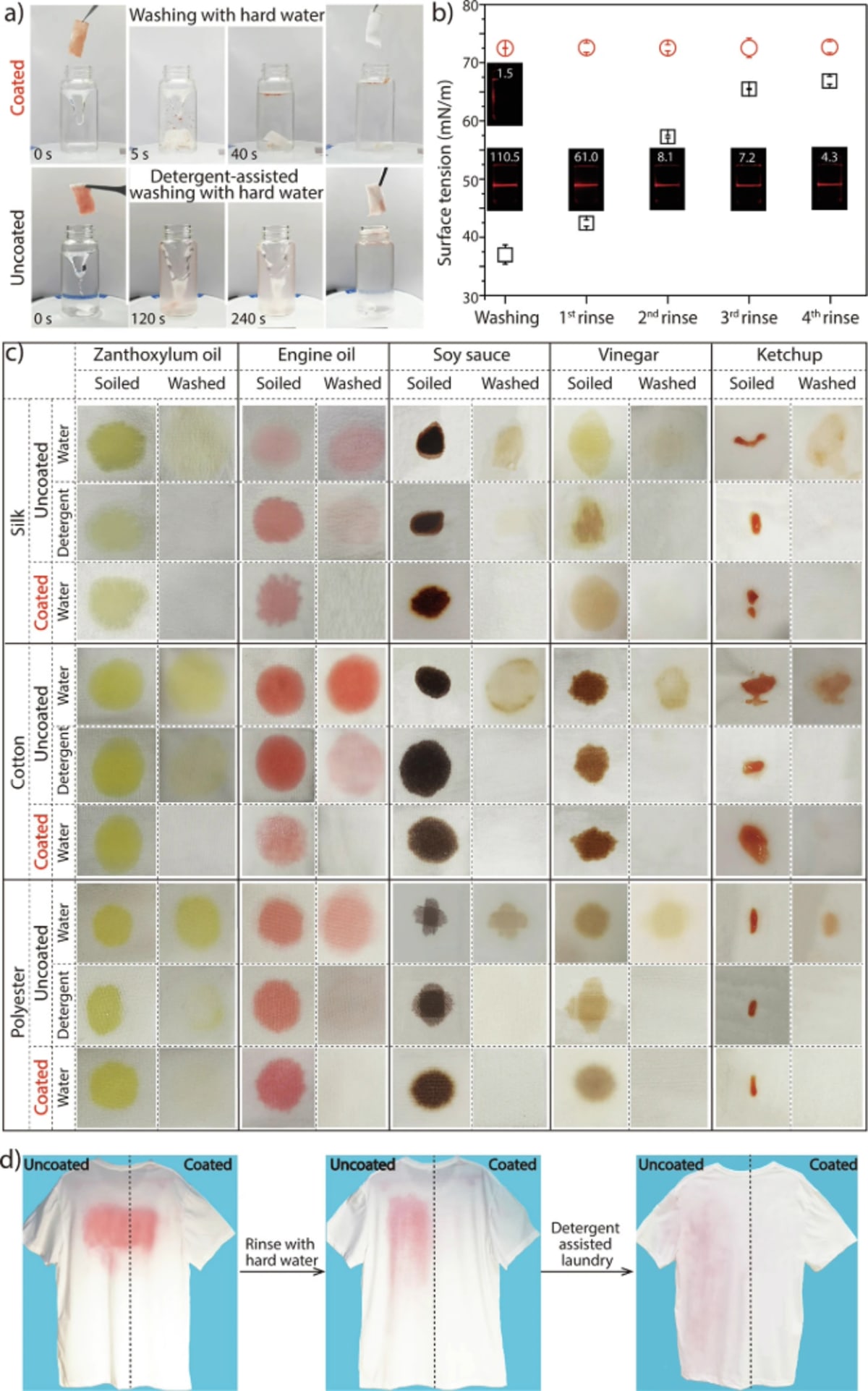
The team tested their innovation against real-world messes like ketchup, chili oil, and soy sauce. Coated fabrics washed clean with a single water rinse, matching or beating traditional detergent washing for stain removal.
The coating works by layering positively and negatively charged polymers onto cotton, silk, and polyester. These layers create a surface rich in sulfonate groups that attract and organize water molecules into the protective barrier. When contaminants hit this water armor, they simply can't grab onto the fabric underneath.
The Ripple Effect
The environmental wins extend far beyond skipping detergent. A single washing machine cycle guzzles 10 to 16 gallons of clean water. In China alone, laundry generates an estimated 2.6 billion gallons of wastewater annually.
This new coating slashes water and electricity use by 82% compared to normal washing cycles. It also dramatically reduces microplastic pollution by trapping stray particles within the coating itself instead of releasing them into waterways.
The hygiene benefits surprised even the researchers. The water armor prevents bacteria, fungi, sweat, and skin cells from adhering to fabric. A quick rinse eliminates odors completely and stops mold or mildew from growing during storage.
Material scientists Chongling Cheng and Dayang Wang acknowledge one challenge ahead: convincing consumers that clean clothes don't need to smell like lavender or produce mountains of foam. Their team is working on transparent testing and practical demonstrations to build trust.
Early tests show the coating remains effective for over 100 wash cycles and costs get recovered in as few as 15 loads. The nanoscale thickness shouldn't change how clothes feel or breathe.
The technology is still in proof-of-concept stage, but the researchers have confirmed it's safe for skin contact and works across multiple fabric types.
This invention tackles the laundry problem from a completely fresh angle: instead of better cleaning products, why not create fabrics that resist getting dirty?
More Images


Based on reporting by Live Science
This story was written by BrightWire based on verified news reports.
Spread the positivity!
Share this good news with someone who needs it