Scientists Film Rare Whale Birth, Discover Helping Behavior
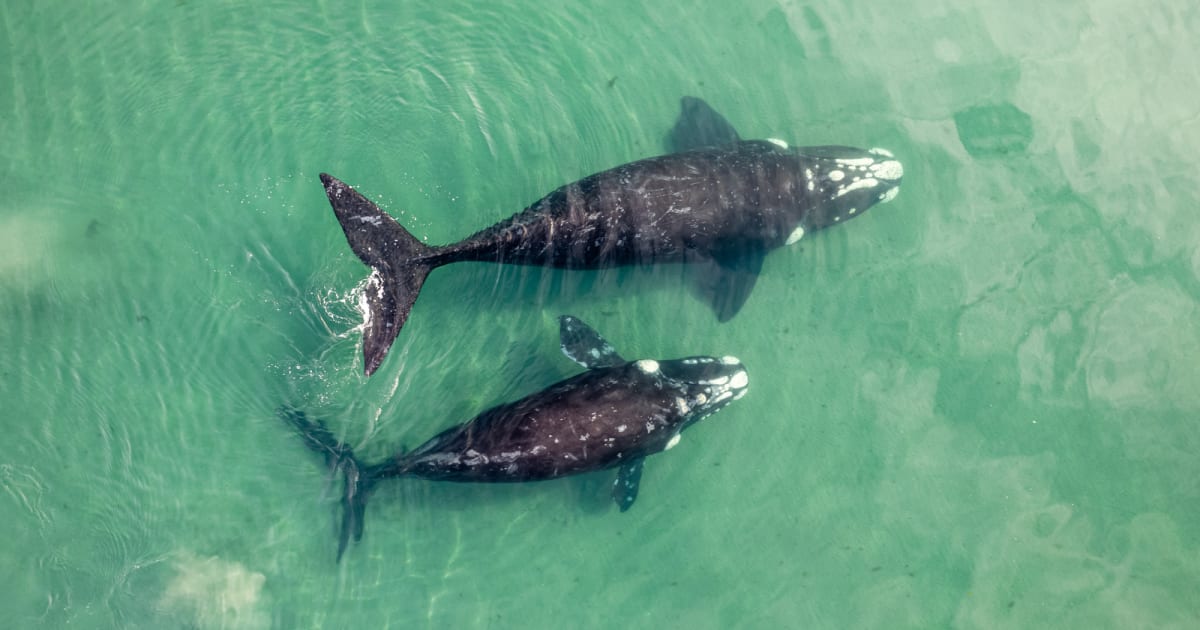
Researchers captured the rarest of ocean moments: a sperm whale giving birth while her pod rallied around to help. The footage reveals whales cooperate during births just like primates do.
Scientists thought they were witnessing a predator attack when blood clouded the Caribbean waters, but then a tiny whale head popped up and changed everything.
A team from Project CETI captured six hours of unprecedented footage off Dominica in July 2023, documenting one of fewer than 10 percent of marine mammal species ever filmed giving birth. The researchers from Harvard, Oxford, and UC Berkeley were following three generations of female sperm whales when the mother went into labor.
"It was an unimaginable day," said lead biologist Shane Gero. "When the blood happened, I thought it was a predator that had attacked, not a birth."
What happened next stunned the team even more. Other whales in the pod, including females unrelated to the mother, coordinated physical support during and after the birth. The behavior offered the first quantitative evidence that non-primates help each other give birth in the wild.
The odds of witnessing this moment were astronomically low. Sperm whales spend most of their time diving deep to hunt, rarely gathering at the surface long enough for researchers to observe. Even with dozens of research boats searching thousands of miles of ocean, the chances of being in the right place at the right moment are slim.
Two drones flying overhead and an underwater microphone captured distinct shifts in the whales' sounds during the birth. The audio revealed patterns suggesting the pod was communicating throughout the event, coordinating their support for the exhausted mother.
Why This Inspires
The footage captured what Gero calls "tiny little stories" of cooperation that sustain sperm whale society. Unlike most whale species that live independently, sperm whales build communities where unrelated individuals help raise young and support each other through challenges.
Harvard engineer Daniel Vogt credits both cutting-edge technology and fortunate timing. His team developed suction tags that stick to whales and record audio, depth, and GPS data for nearly 18 hours, giving researchers an intimate window into whale behavior.
Professor Stephanie Gil believes machine learning could soon help us decode whale communication entirely. "With the progress of ML tools recently, it kind of gives us the space to dream," she said. New technologies are revealing patterns in the data that were impossible to detect before.
The research team is now developing smaller tags and testing autonomous drones that can attach them without disturbing the whales. The goal remains understanding how sperm whales communicate, potentially unlocking one of nature's most sophisticated languages.
Gero sees a lesson for humans in the whales' cooperation. "When there's a big challenge, we survive better by working together, even if we're different, even if we're unrelated."
Based on reporting by Google News - Researchers Find
This story was written by BrightWire based on verified news reports.
Spread the positivity!
Share this good news with someone who needs it