Scientists Find 6 New Comb Jellies in Colombian Waters
Researchers discovered six new species of ancient, fragile comb jellies in Colombia's ocean using underwater photography. These gelatinous creatures predate dinosaurs and collapse instantly when removed from water.
Scientists just documented six brand new species of ethereal ocean dwellers that have been gliding through Earth's waters since before dinosaurs walked the planet.
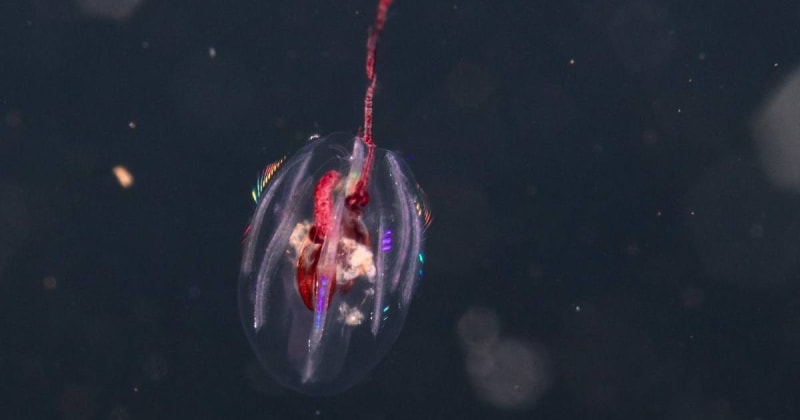
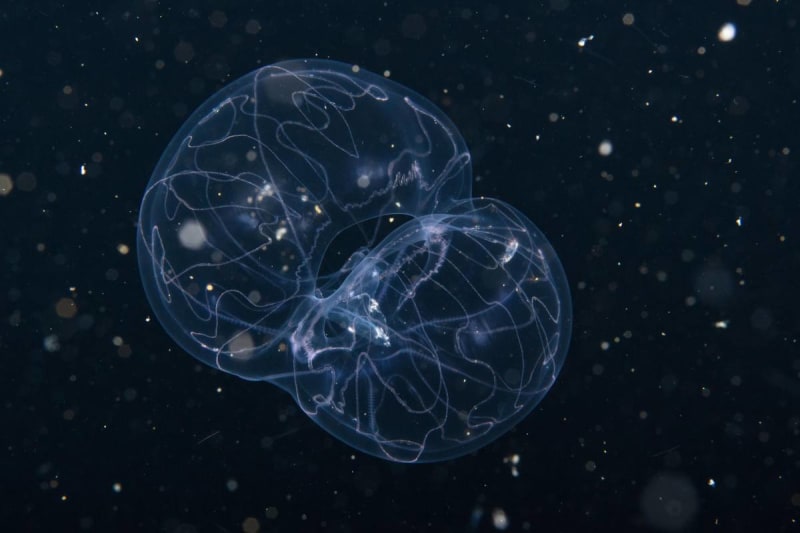
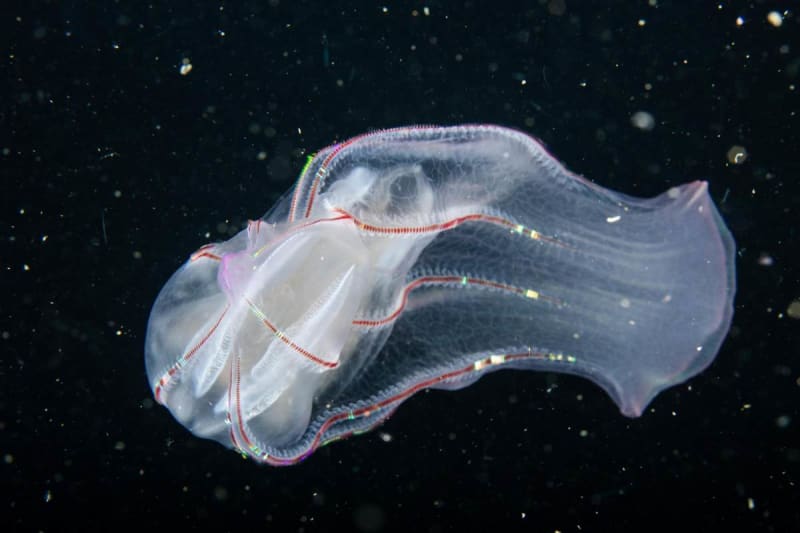
Comb jellies, also called sea gooseberries, look like shimmering crystal blimps floating through the ocean. These ancient creatures are so delicate that the moment they leave the water, they collapse and vanish as if they never existed.
That fragility stumped scientists for years. How do you study something you can't touch or collect without destroying it?
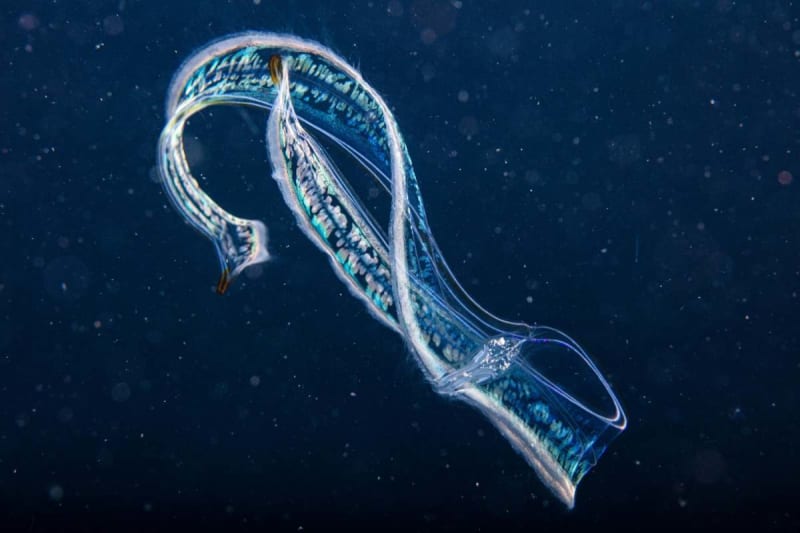
Researchers from Colombia's marine institute INVEMAR found the answer through high-resolution underwater photography. Working with National Geographic Pristine Seas during a 2022 expedition, they captured detailed images of these mysterious jellies in their natural habitat.
The effort paid off spectacularly. The team identified 15 ctenophore species total in Colombian waters, including six that were completely new to science.
Despite their nickname, comb jellies aren't actually jellyfish. They hunt and move in completely different ways, powered by eight bands of fused hair-like structures called combs that beat together like tiny oars.
When these combs pulse, waves of light ripple across their translucent bodies. They look bioluminescent, but they're actually just reflecting light in mesmerizing patterns as they drift through the depths.
Their hunting strategy is equally fascinating. Instead of stinging like jellyfish, comb jellies deploy tentacles covered in sticky cells called colloblasts that work like biological glue traps for unsuspecting prey.
Why This Inspires
This breakthrough represents more than just finding new species. It's about scientists developing creative, non-invasive ways to study fragile ocean life without harming it.
Juan Mayorga, a National Geographic marine scientist on the study, explained that this work creates the first national checklist for these species and establishes a foundation for future research. Colombia now has its first complete inventory of these gelatinous plankton.
The photography-based approach opens doors to understanding other delicate marine organisms that have remained mysterious simply because traditional collection methods destroy them. It's a reminder that sometimes the gentlest touch reveals the most profound discoveries.
These ancient jellies survived mass extinctions and outlived the dinosaurs by adapting to life in the ocean's depths, and now we finally have the tools to witness their beauty without disturbing their dance.
More Images
Based on reporting by Google News - Researchers Find
This story was written by BrightWire based on verified news reports.
Spread the positivity!
Share this good news with someone who needs it