Scientists Find Gene That Could Help Humans Regrow Limbs
Researchers identified SP8, a gene that controls limb regeneration in salamanders and exists dormant in humans, bringing the science of regrowing lost limbs closer to reality. The discovery doesn't solve the puzzle yet, but it narrows the search from hundreds of genes to a specific mechanism shared across multiple species.
Scientists at Wake Forest University discovered a genetic switch that salamanders use to regrow entire limbs, and the most exciting part is that humans already have it.
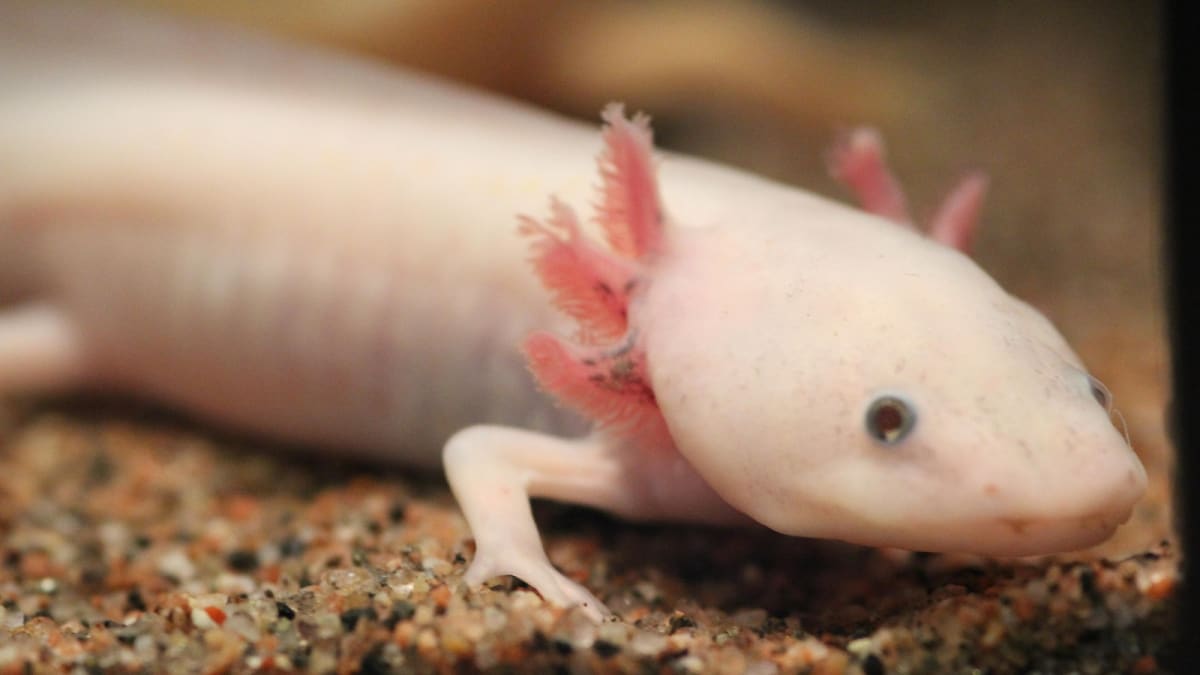
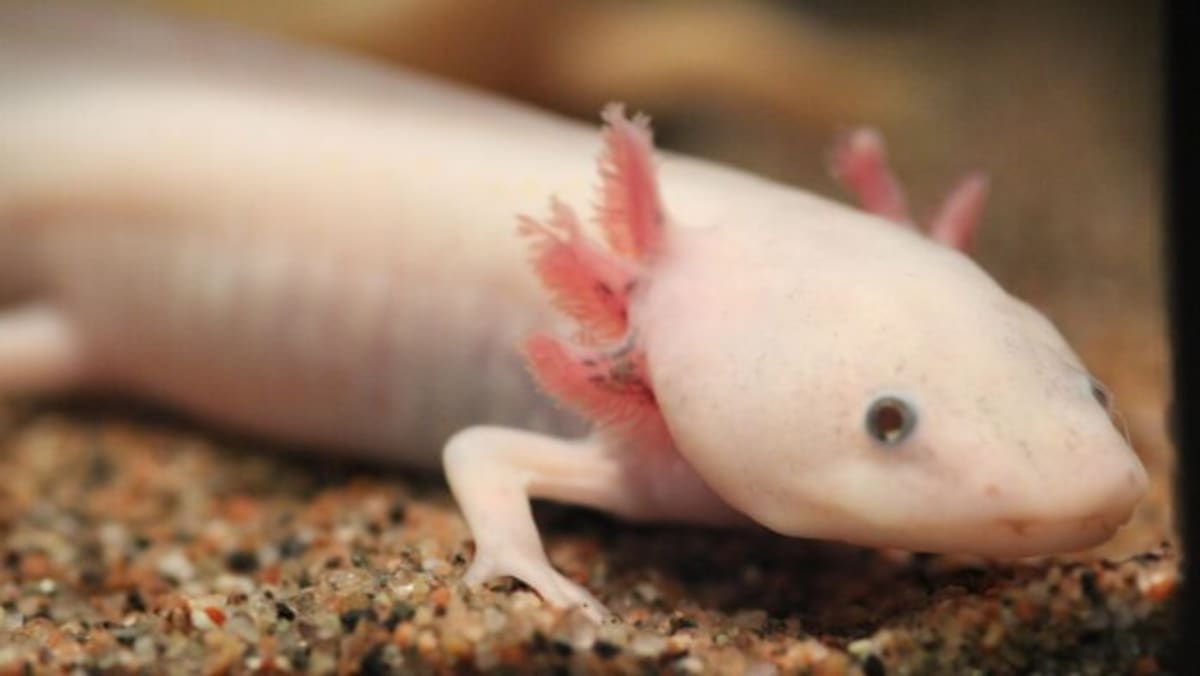
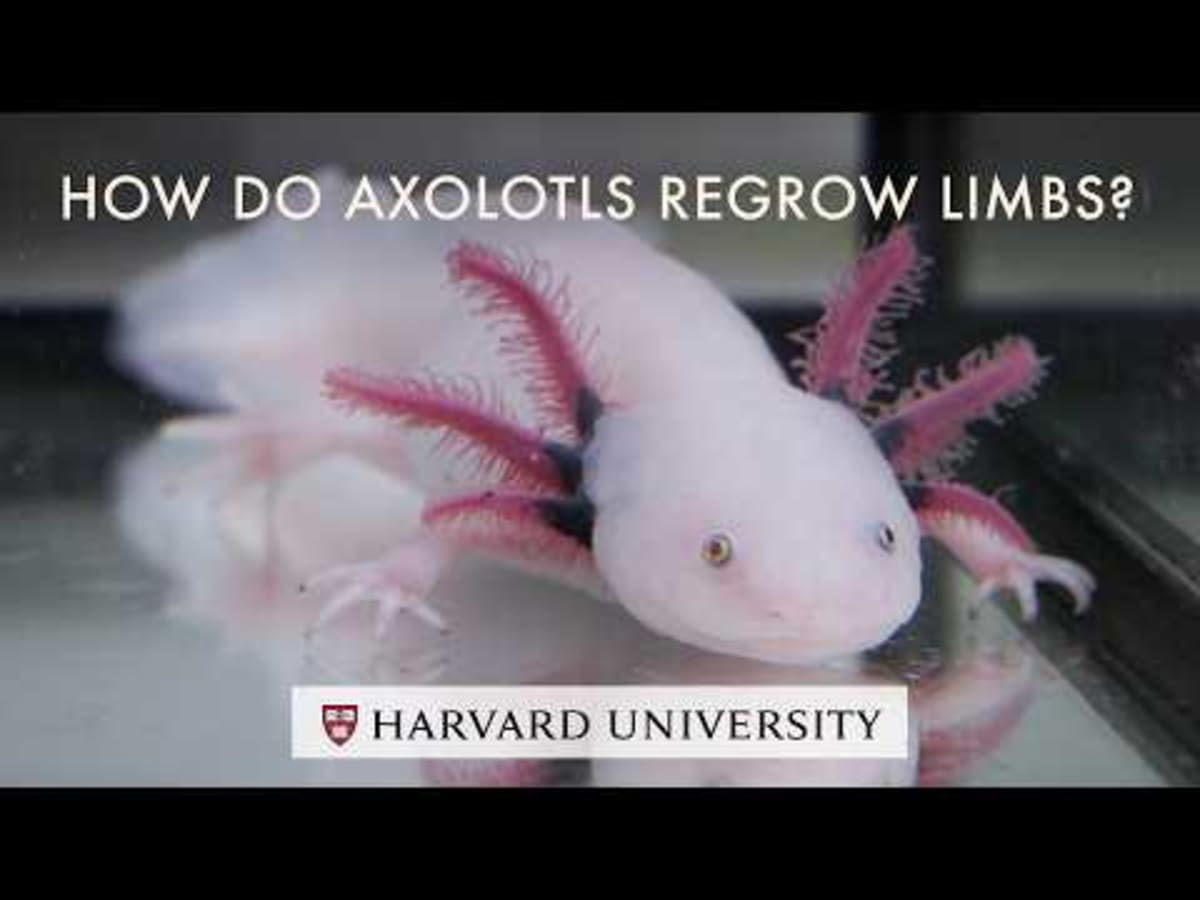
The gene, called SP8, acts like a master controller for limb bone regeneration in axolotls (Mexican salamanders famous for regrowing lost legs), zebrafish, and mice. The research team published their findings in April 2026 after running experiments across three separate labs working on three different animals, and all came back with the same answer.
Here's what makes this discovery powerful: out of hundreds of genes active during salamander regeneration, SP8 stands out as a universal program rather than something unique to creatures with natural regeneration abilities. When researchers used gene-editing technology to remove SP8 from salamanders, the animals couldn't properly regrow their limb bones.
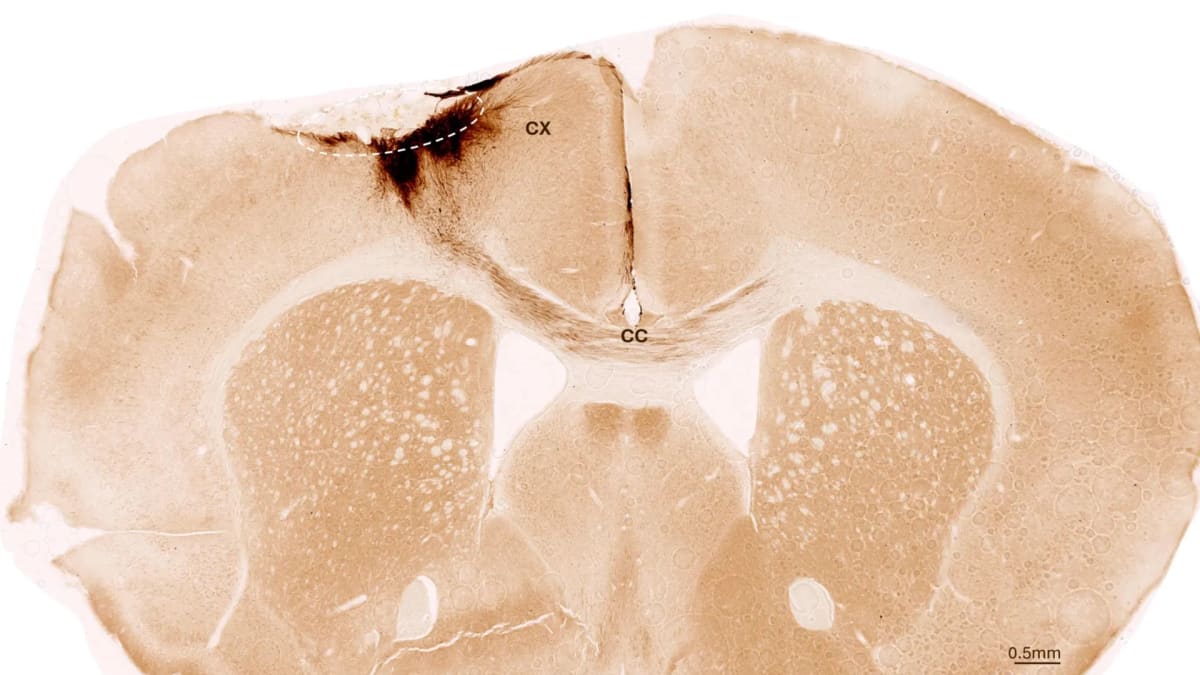
The Wake Forest team confirmed that SP8 coordinates the activity of a cluster of cells called the blastema, which forms at amputation sites and rebuilds missing structures from scratch. When they knocked out both SP8 and its molecular partner SP6 in mice, the same regeneration failure occurred.
This builds on recent breakthroughs in the field. A 2024 Harvard Medical School study showed that just three proteins can reprogram ordinary tissue cells into limb progenitor cells, the raw material needed for regeneration. In November 2025, Texas A&M researchers found a single growth factor that triggered fingertip reconstruction in joint tissue normally destined to become scar tissue.
Why This Inspires
The gap between laboratory discovery and actual treatment remains wide, but something fundamental has shifted. Five years ago, scientists didn't have a clear molecular roadmap for limb regeneration. Now they have a coherent vocabulary for what the process requires.
The critical unknown is whether reactivating SP8 in adult human tissue would produce controlled, structured growth or trigger uncontrolled cell division like cancer. That's the question researchers must answer before any therapy becomes possible.
What matters most is this: humans carry the same genes as axolotls, but those genes shut down after embryonic development. The genetic switch for limb reconstruction already exists in dormant form inside us. Scientists don't need to invent it from scratch; they need to learn how to read it correctly and flip it back on safely.
The research confirms that regeneration isn't science fiction reserved for salamanders and starfish. It's a sleeping capability waiting to be understood and awakened.
More Images
Based on reporting by Google News - Scientists Discover
This story was written by BrightWire based on verified news reports.
Spread the positivity!
Share this good news with someone who needs it