Scientists Find Lithium in Fool's Gold and Old Waste
Researchers discovered lithium hiding inside pyrite minerals in ancient shale rocks, opening the door to mining battery materials from industrial waste instead of digging new mines. This unexpected find could help power the clean energy revolution more sustainably.
The batteries powering our phones, laptops, and electric cars all depend on one highly reactive metal: lithium. Now scientists have found it hiding in the last place anyone expected.
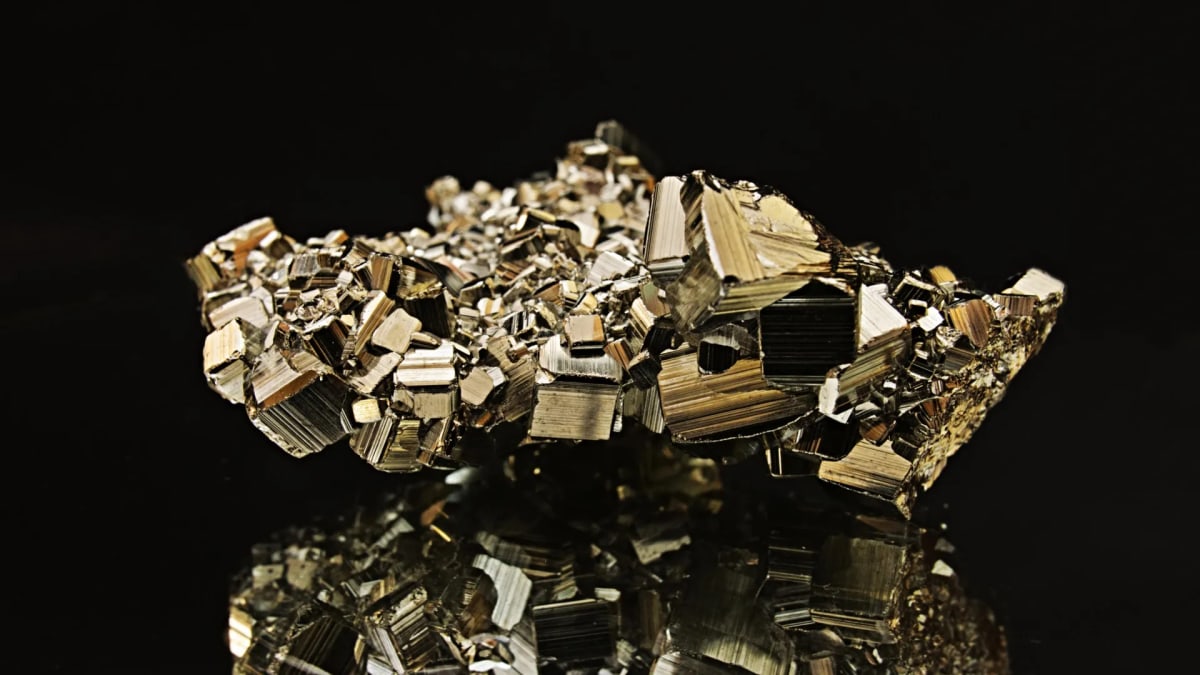
Researchers at West Virginia University discovered significant amounts of lithium inside pyrite minerals within 380-million-year-old shale rocks from the Appalachian basin. Pyrite, nicknamed "fool's gold" for its brassy shine, has never been associated with lithium before.
"This is unheard of," says Shailee Bhattacharya, the doctoral student who made the discovery while working in Professor Shikha Sharma's lab. The finding challenges everything geologists thought they knew about where lithium appears in nature.
The timing couldn't be better. As the world races toward electric vehicles and renewable energy storage, lithium demand has skyrocketed. Traditional mining from pegmatite rocks and volcanic clays struggles to keep pace, and expanding operations raises environmental concerns.
The research team analyzed 15 samples of middle-Devonian shale, looking for unconventional sources that could meet growing needs. They focused specifically on materials often considered waste from past industrial activity, like old drill cuttings and mine tailings.
What makes this discovery especially exciting is how common these rocks are. Organic-rich shale formations exist worldwide, potentially representing a vast untapped lithium resource that's already been removed from the ground.
The Ripple Effect
This breakthrough could transform how we think about mining and waste. Instead of opening new mines that disturb pristine landscapes, we might extract valuable lithium from materials already sitting in industrial waste piles.
The approach aligns perfectly with circular economy principles: finding value in what we previously discarded. Old drill cuttings from oil and gas operations, currently just sitting around, could become treasure troves for battery production.
Bhattacharya acknowledges the research is still early and specific to one location. More studies are needed to understand how widespread this phenomenon is and whether extraction is economically viable at scale.
Still, the implications inspire optimism. If lithium can be recovered from shale waste, it reduces the environmental footprint of the clean energy transition while securing the materials needed to make it happen.
The scientist's vision captures the potential beautifully: "We can talk about sustainable energy without using a lot of energy resources." Sometimes fool's gold turns out to be the real thing after all.
Based on reporting by Science Daily
This story was written by BrightWire based on verified news reports.
Spread the positivity!
Share this good news with someone who needs it