Scientists Find Natural "Brakes" Stopping Massive Quakes
Researchers discovered how underwater fault zones use seawater and rock structures to stop earthquakes from growing larger. The breakthrough could transform how we predict and understand earthquake behavior worldwide.
Deep beneath the Pacific Ocean, a fault line has been performing the same magic trick for 30 years, and scientists finally figured out how it works.
About 1,000 miles west of Ecuador, the Gofar fault produces magnitude 6 earthquakes like clockwork every five to six years. Each quake ruptures nearly identical sections and reaches almost the same strength, a pattern so consistent it baffled earthquake researchers for decades.
Now a team led by Indiana University seismologist Jianhua Gong has cracked the mystery. Special zones within the fault act as natural brakes, stopping ruptures before they grow into catastrophic events.
"We've known these barriers existed for a long time, but the question has always been, what are they made of, and why do they keep stopping earthquakes so reliably, cycle after cycle?" Gong explained in the study published in Science.
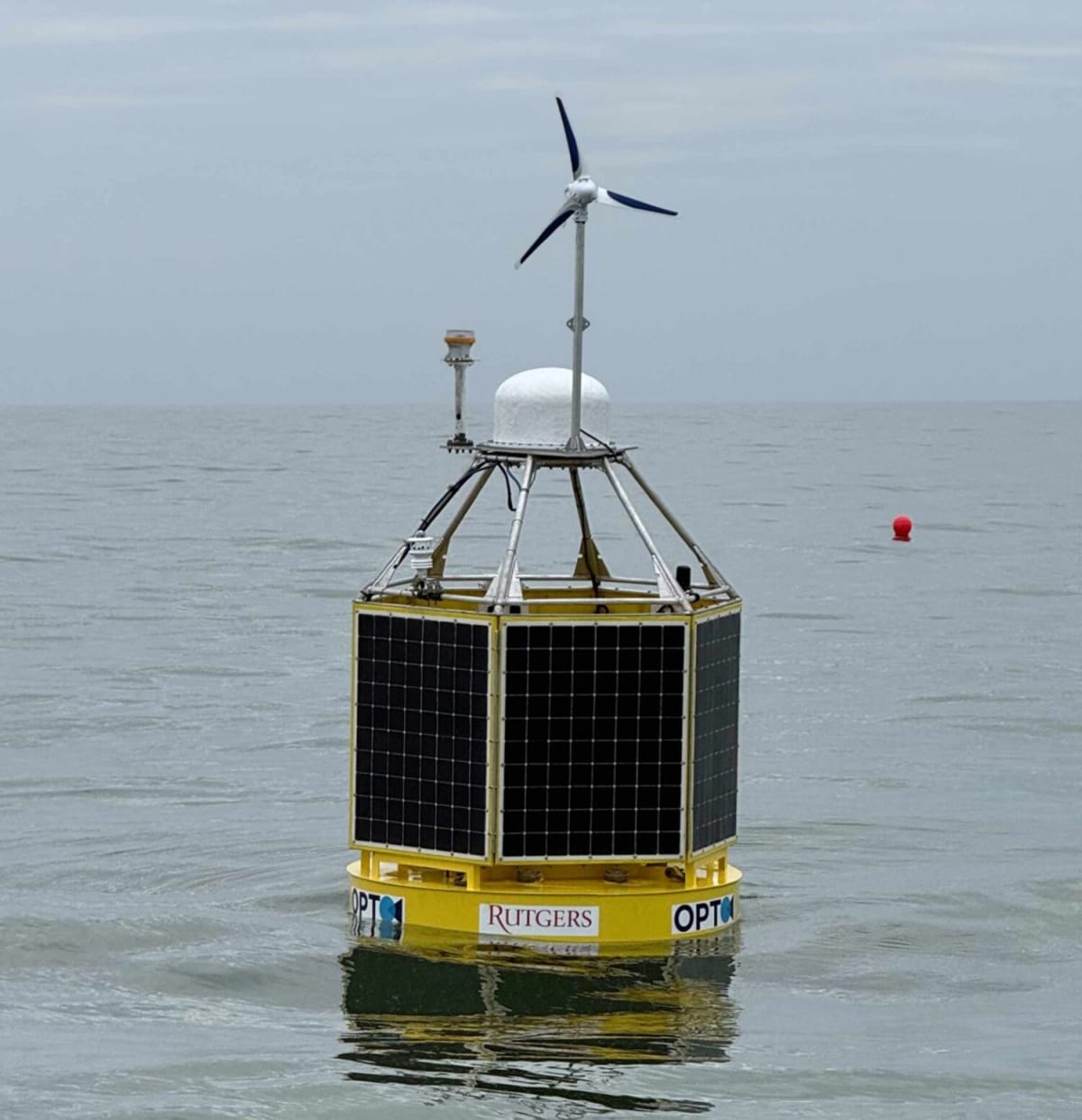
The research team placed sensitive instruments directly on the seafloor during two separate missions in 2008 and 2019. These ocean bottom seismometers captured tens of thousands of tiny earthquakes before and after major events, giving scientists an unprecedented view of how the fault behaves.
What they found surprised them. The brake zones aren't quiet, inactive stretches of rock. Instead, they're highly complex areas where the fault splits into multiple strands with small gaps between them, ranging from 100 to 400 meters wide.
Seawater seeps deep into these fractured zones. When a large earthquake strikes and the fault suddenly moves, pressure drops rapidly inside the fluid-filled rock. The porous rock temporarily locks up through a process called "dilatancy strengthening," stopping the rupture in its tracks.
The team confirmed this by watching the same pattern unfold in two different barrier zones studied 12 years apart. Before major quakes, the barriers buzzed with small seismic activity. Immediately after, they went nearly silent.
The Ripple Effect
While the Gofar fault sits far from populated coastlines, the discovery could reshape earthquake science everywhere. Transform faults like Gofar exist throughout Earth's oceans, and understanding these natural braking systems could help researchers better predict where earthquakes might stop versus continue growing.
The findings offer something rare in earthquake science: a reliable pattern that explains how some faults limit their own destruction. For communities living near similar fault systems worldwide, this knowledge could eventually improve early warning systems and hazard assessments.
Sometimes nature builds its own safety mechanisms, and now we finally understand how one of them works.
Based on reporting by Science Daily
This story was written by BrightWire based on verified news reports.
Spread the positivity!
Share this good news with someone who needs it