Scientists Find New 43-Foot Sea Rex in Museum Collections
A massive ocean predator named Tylosaurus rex has been hiding in plain sight for decades, misidentified in museum drawers. Paleontologists discovered the 43-foot sea giant by taking a second look at fossils labeled as a different species.
Sometimes the biggest discoveries are hiding in plain sight, waiting for someone to take a second look.
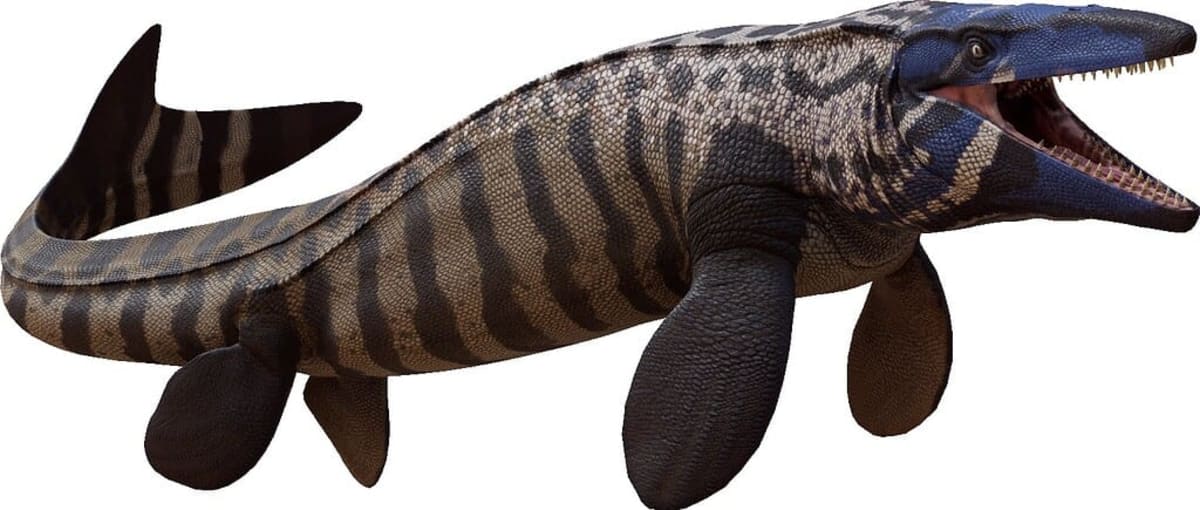
Paleontologists have identified a new massive sea predator from fossils that were sitting in museum collections for years under the wrong name. Meet Tylosaurus rex, a 43-foot ocean giant that ruled the seas over what is now Texas about 80 million years ago.
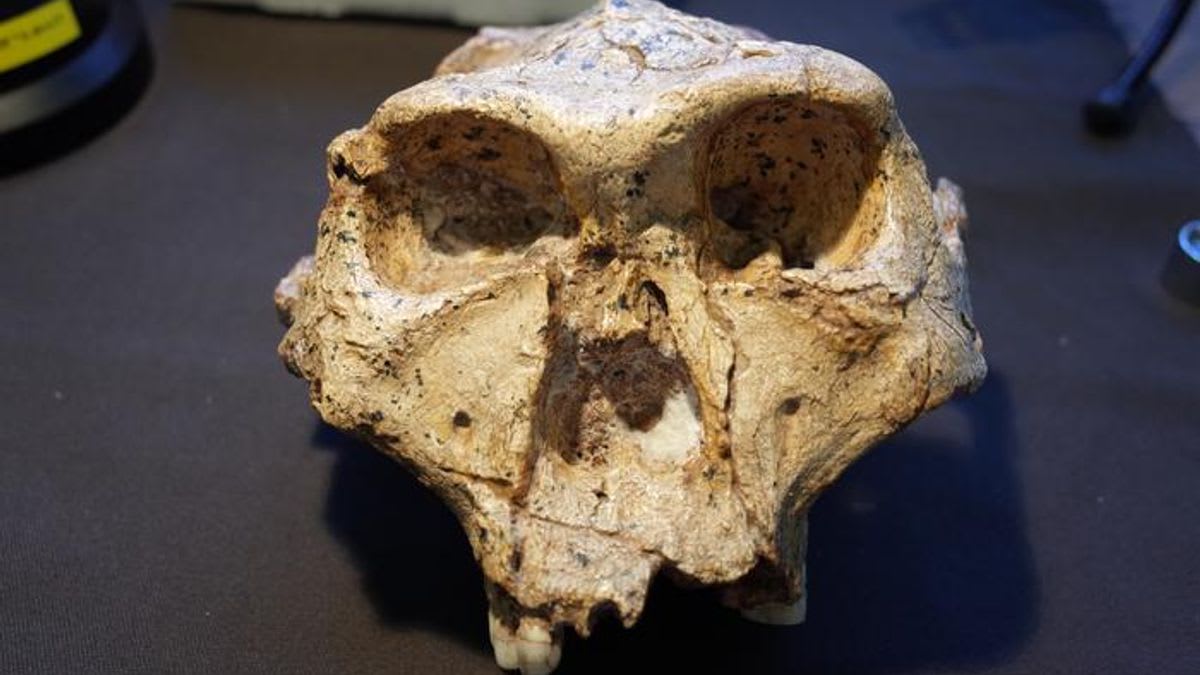
The discovery started when Amelia Zietlow, studying at the American Museum of Natural History, examined a Texas fossil and noticed something off. The specimen didn't match the species it was labeled as: Tylosaurus proriger, a well-known marine reptile first described in the 1800s.
Zietlow and her team compared the Texas fossil with the original T. proriger specimen at Harvard, then checked similar fossils in other museums. The pattern was clear: the Texas animals were consistently larger, had serrated teeth, and showed skull features that pointed to much stronger jaw and neck muscles.
These weren't dinosaurs but mosasaurs, air-breathing ocean reptiles with paddle-like limbs that hunted during the Cretaceous Period. Tylosaurs were one branch of the mosasaur family, recognizable by their blunt, bony snout that extended past their front teeth.
At the time these creatures swam, North America was split by the Western Interior Seaway, a massive marine corridor stretching from the Gulf of Mexico toward the Arctic. Texas sat along its warm southern reaches, providing a perfect hunting ground for these apex predators.
The team tested whether the Texas fossils might just be older, bigger adults of the same species. By comparing fossil traits with growth patterns in modern lizards, they ruled that out. These were distinct animals that deserved their own classification.
The largest T. rex specimens reached 13.2 meters, roughly the same length as their land-based namesake, Tyrannosaurus rex. Their teeth bore fine serrations perfect for gripping prey, and some fossils showed scarring that suggests these leviathans sometimes fought each other.
Why This Inspires
This discovery proves that major scientific breakthroughs don't always require expensive expeditions to remote locations. Sometimes they're waiting in museum storage, labeled incorrectly, just needing fresh eyes and careful attention.
The name also honors paleontologist John Thurmond, who suspected back in the 1960s that these Texas giants were something special. He informally called them "sea tyrants" in a letter, and now his hunch has been validated decades later.
Museums worldwide hold millions of specimens, many studied only once before being catalogued and stored. This finding reminds us that our collections hold secrets still waiting to be revealed by the next generation of scientists willing to question what came before.
One closer look turned mislabeled fossils into the discovery of an ocean king.
Based on reporting by Google: fossil discovery
This story was written by BrightWire based on verified news reports.
Spread the positivity!
Share this good news with someone who needs it