Scientists Find New Anaconda Species in Amazon With Will Smith
While filming a documentary in the Amazon, scientists discovered a new species of anaconda stretching 7.5 meters long. The find reveals how much we still don't know about Earth's most biodiverse ecosystem.
Deep in the Amazon rainforest, a team of scientists filming with Will Smith stumbled upon a discovery that rewrites what we know about one of the world's most mysterious predators.
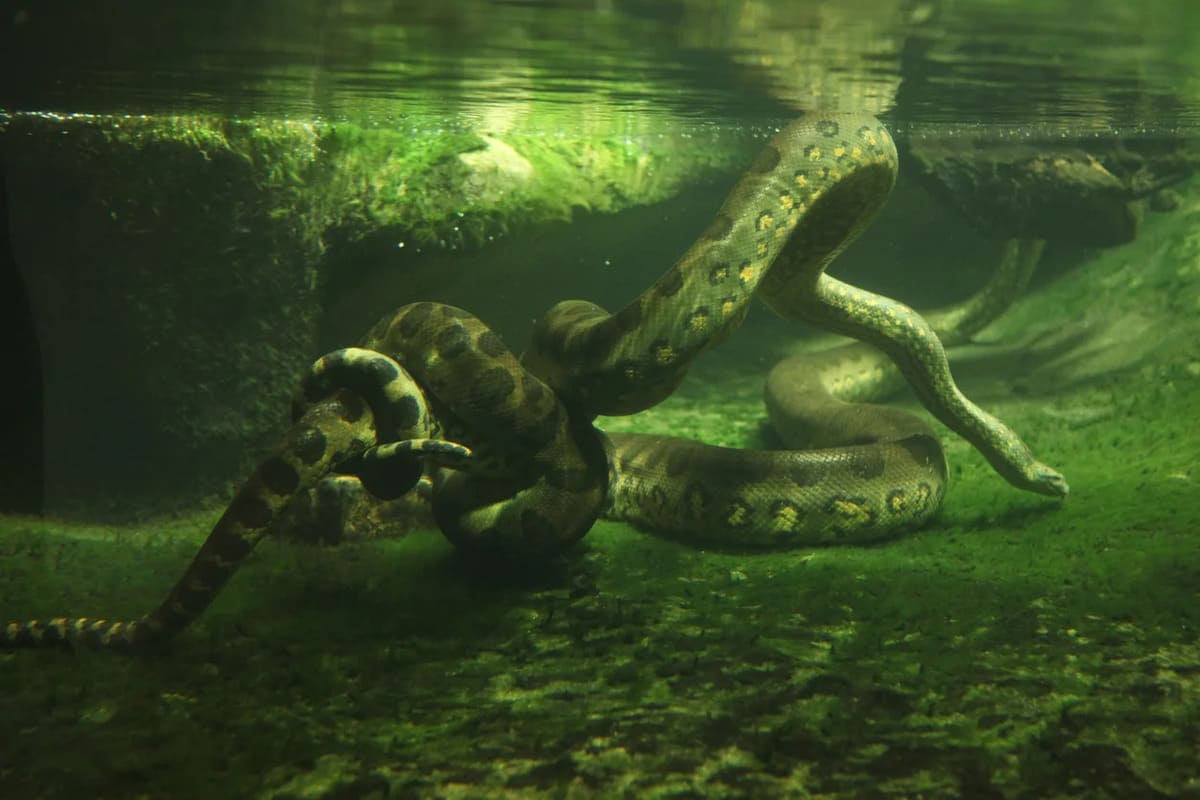
Professor Bryan Fry and his University of Queensland team were documenting the impacts of oil drilling on Amazonian wildlife when they encountered an anaconda stretching an incredible 7.5 meters. But the real surprise came later, when genetic testing revealed something even more remarkable.
The scientists had discovered an entirely new species hiding in plain sight. For decades, researchers assumed all green anacondas across South America belonged to one species. DNA samples from Ecuador and Brazil told a different story.
Working alongside the Waorani people, an Indigenous group with generations of rainforest knowledge, the team collected samples from anacondas in both countries. The genetic differences were clear: these were two distinct species that just happened to look nearly identical.
The newly identified Ecuadorian green anacondas grow even larger than their Brazilian cousins. While the largest females in both regions reach similar sizes, Ecuadorian specimens average about a meter longer overall.
Why This Inspires
This discovery reminds us how much wonder still exists in our world's wild places. Despite centuries of exploration, the Amazon continues revealing secrets that expand our understanding of life on Earth.
The partnership between cutting-edge science and Indigenous wisdom shows the power of combining different ways of knowing. The Waorani's intimate knowledge of their homeland proved essential to finding and studying these elusive giants.
Beyond the excitement of discovery, the research carries important implications for conservation. The team found that male anacondas accumulate up to ten times more heavy metals than females because of their different diets. Males hunt aquatic birds exposed to oil pollution, while females target grazing animals.
The Brazilian green anaconda faces particular challenges. Its smaller range makes it more vulnerable to habitat loss and pollution, which the research shows can affect male fertility.
This accidental encounter during a documentary shoot became a watershed moment for science. It proves that our planet still holds countless mysteries waiting to be uncovered, and that protecting wild spaces means preserving opportunities for future discoveries that could change everything we think we know.
Based on reporting by Google News - Science
This story was written by BrightWire based on verified news reports.
Spread the positivity!
Share this good news with someone who needs it