Scientists Hatch Chicks in 3D-Printed Artificial Eggs
Researchers at Colossal Biosciences successfully grew baby chicks in transparent 3D-printed shells, a breakthrough that could help save endangered bird species. The artificial eggs use a special membrane that lets embryos breathe just like real shells do.
Scientists in Dallas just watched baby chicks hatch from something that's never existed before: completely artificial eggs.
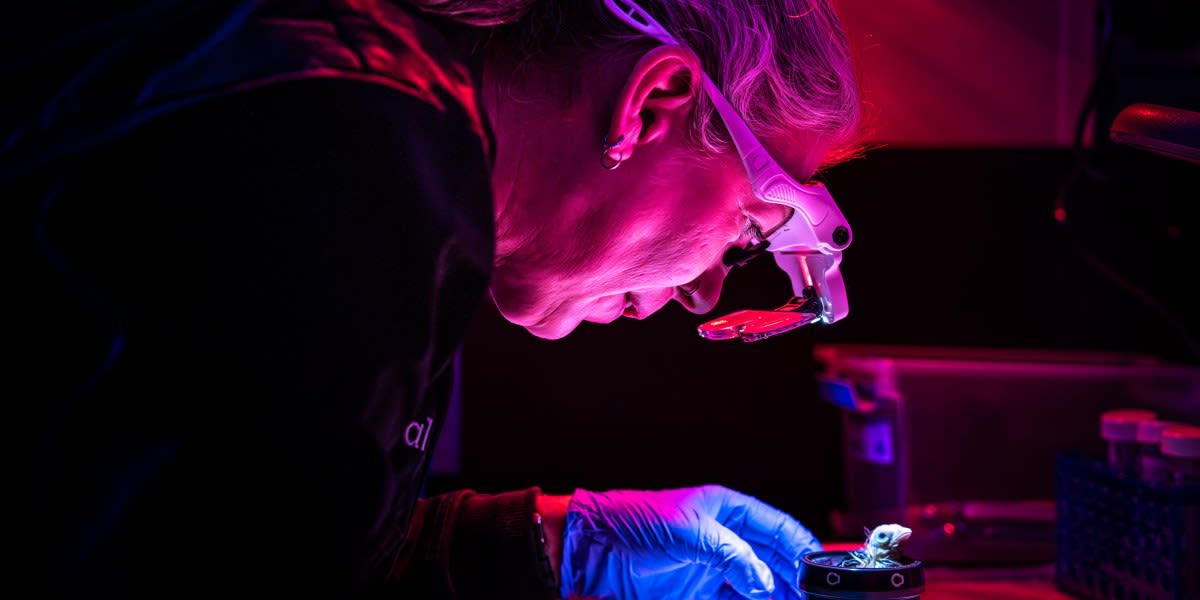
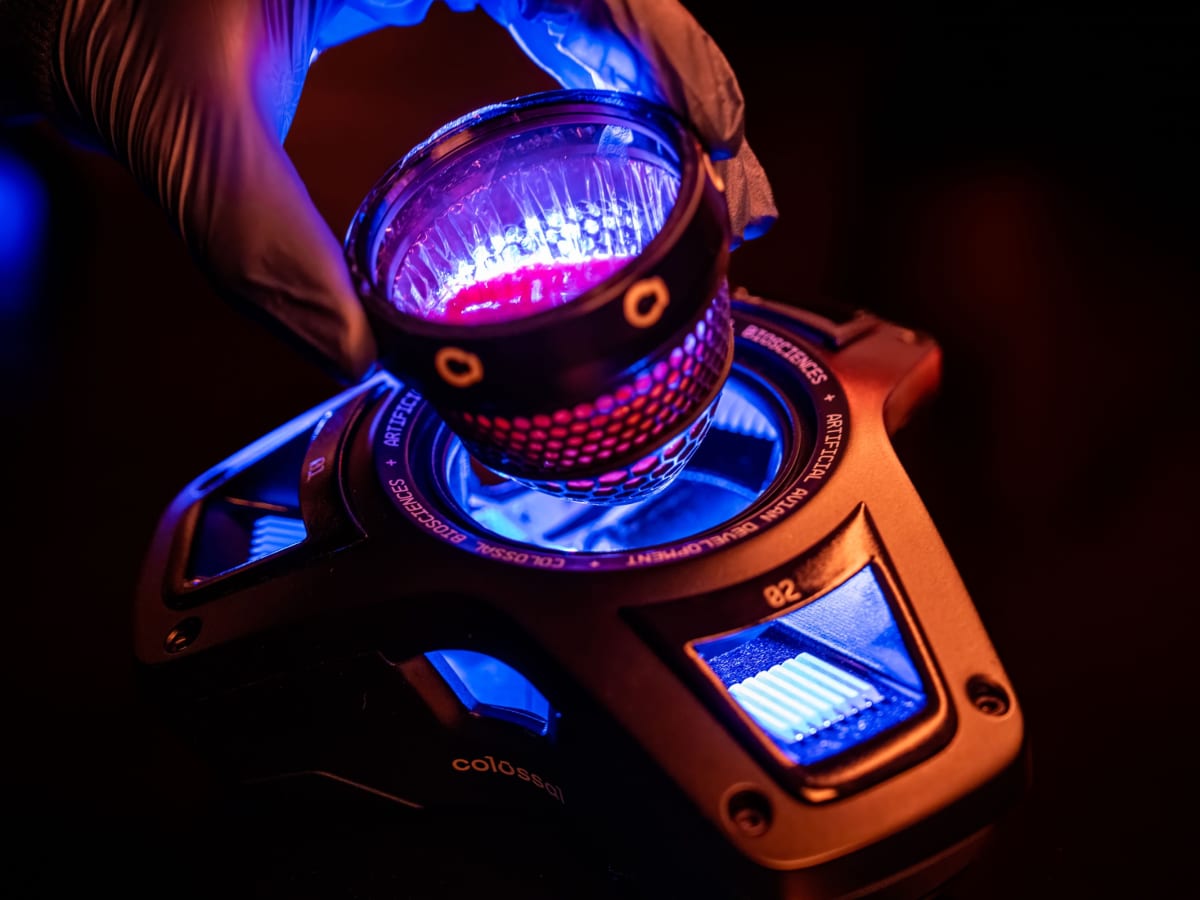
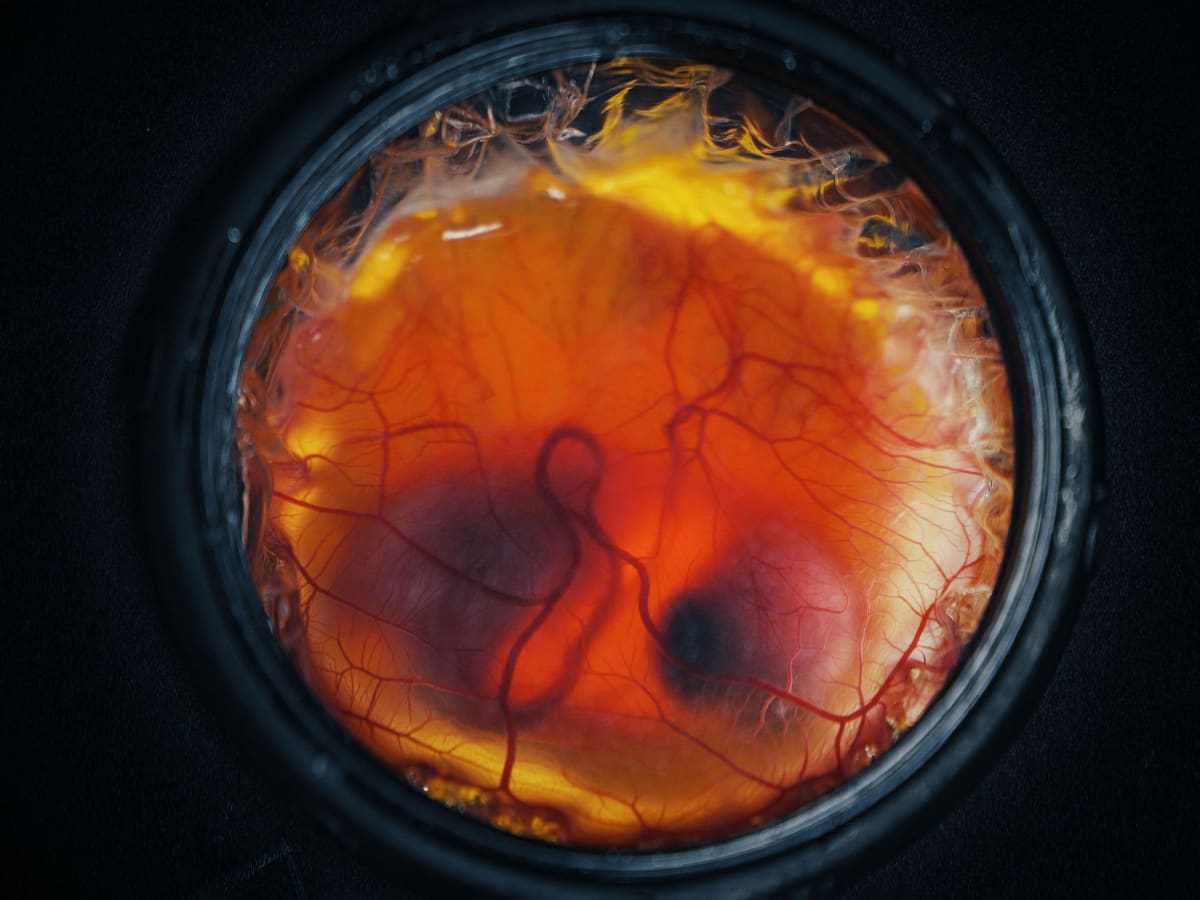
The team at Colossal Biosciences created oval-shaped 3D-printed shells coated with a special silicone membrane. This membrane works like a real eggshell, letting oxygen flow to the growing chick inside. A clear window on top lets researchers observe the embryos as they develop.
The process starts simple. Scientists carefully transfer the contents of freshly laid chicken eggs into the artificial shells, where the embryos continue growing normally. "To see them all moving around in their artificial eggs was absolutely mind blowing," says Andrew Pask, the company's chief biology officer.
The breakthrough comes from that special membrane. Earlier attempts at artificial eggs required scientists to manually pump in extra oxygen, and many chicks didn't survive. This new system provides oxygen naturally, improving survival rates.
Researchers built on two decades of work. Japanese scientists first grew quail in artificial containers back in 1998, and more recent experiments used plastic film. Colossal's advance lies in creating a more reliable, self-sustaining system.
The technology could become a powerful conservation tool. Scientists hope to use it to protect endangered bird species by giving them a safer environment to develop. The artificial shells let researchers monitor embryos closely and intervene if problems arise.
The Ripple Effect
The artificial egg technology opens doors beyond conservation. Colossal is working on even bigger versions, including prototypes large enough to potentially support extinct species with massive eggs. The company is also applying lessons learned to develop artificial wombs for endangered marsupials.
For now, the focus stays on perfecting the system with chickens. Each successful hatch teaches researchers more about what developing embryos need. That knowledge builds the foundation for helping species that can't afford to lose a single egg.
The work represents a shift in how humans can support struggling wildlife. Instead of just protecting habitats, scientists can now create controlled environments where endangered species have better odds of survival.
The first generation of artificially hatched chicks is already thriving, proving the concept works and giving hope to conservationists worldwide.
More Images
Based on reporting by MIT Technology Review
This story was written by BrightWire based on verified news reports.
Spread the positivity!
Share this good news with someone who needs it