Scientists Map Dark Matter Across the Universe with JWST
Astrophysicists created the highest resolution map ever of dark matter, the invisible substance that makes up 27% of the Universe and holds galaxies together. Using the James Webb Space Telescope, they can now see cosmic structures we've never glimpsed before.
After thousands of years of studying the cosmos, scientists just took our biggest step yet toward understanding the most common substance in the Universe.
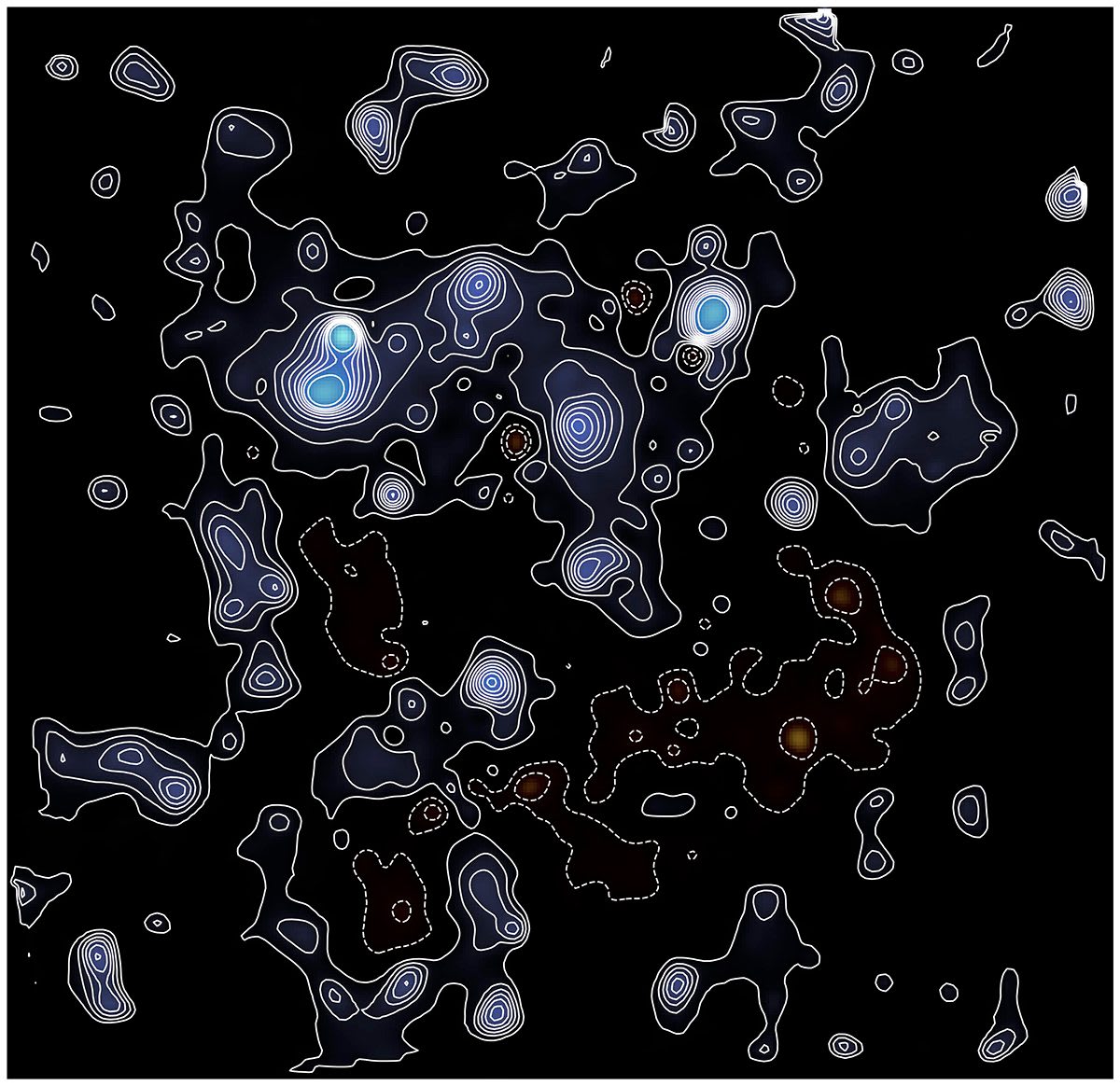
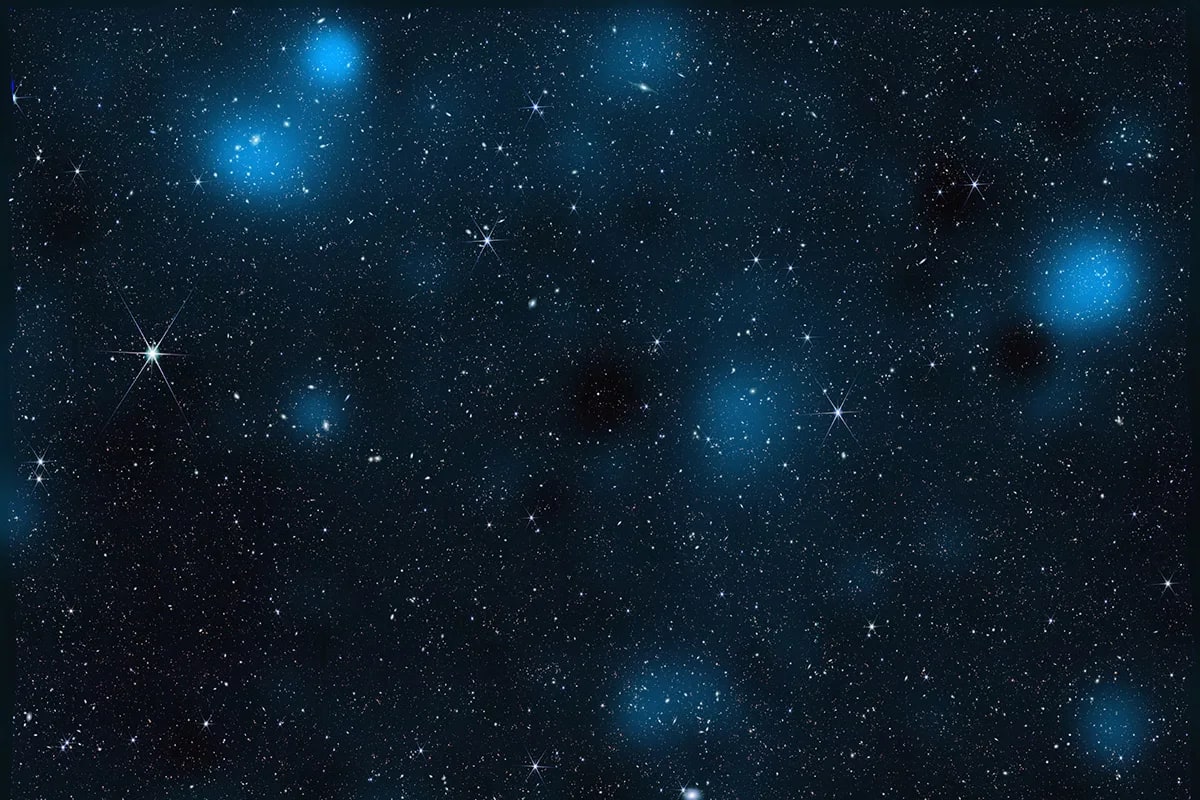
Astrophysicist Richard Massey and his team at Durham University created the most detailed dark matter map ever made. They used the James Webb Space Telescope to track how invisible dark matter bends light from distant galaxies, revealing the cosmic web that holds everything together.
Dark matter is everywhere, yet we can't see it directly. It makes up more of the Universe than all the stars, planets, and galaxies combined.
"It's an invisible hand, putting everything together in one place," Massey explains. Without dark matter's gravity pulling ordinary matter together, stars and galaxies couldn't have formed. We literally wouldn't exist without it.
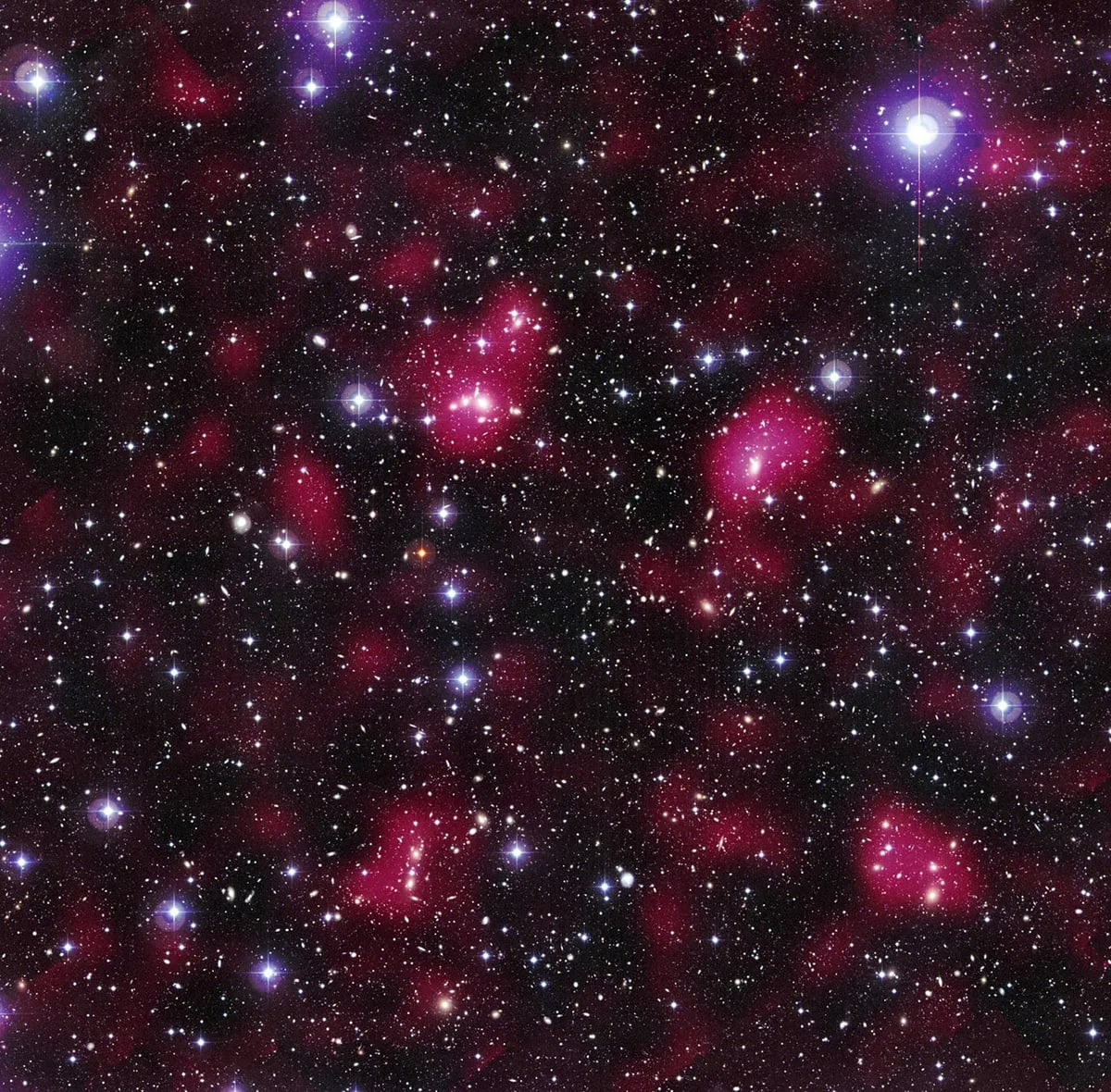
The mapping technique works like reading ripples in a funhouse mirror. When light from faraway galaxies travels through space, dark matter warps it along the way. Those distortions create characteristic patterns that reveal where the invisible substance clusters.
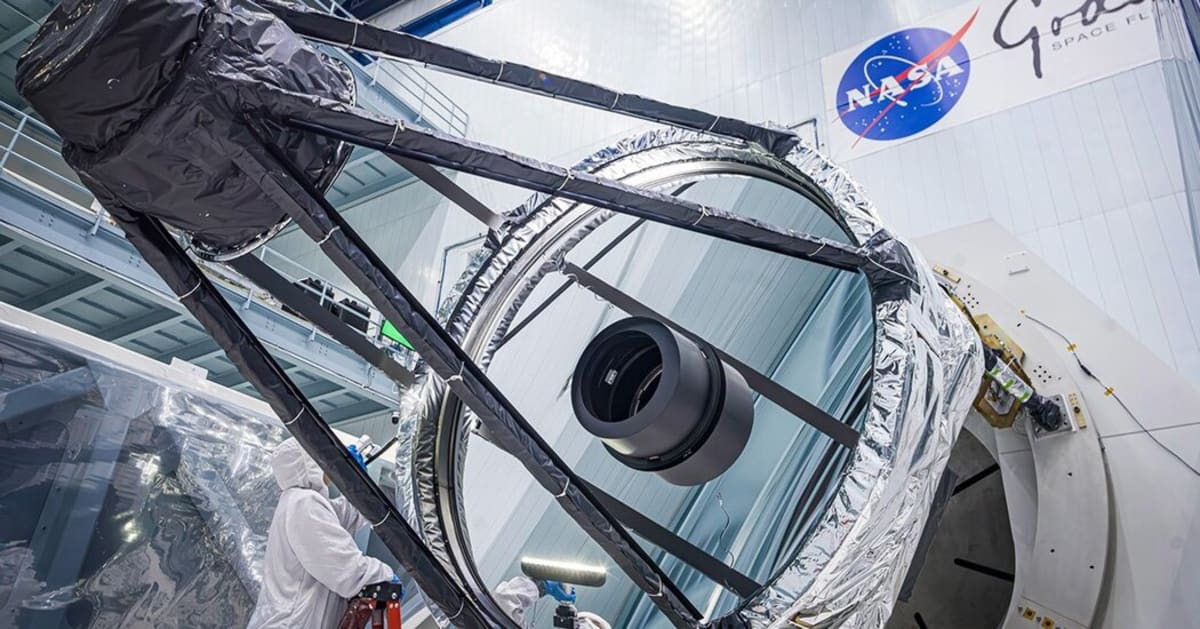
Previous maps made with Hubble could only see galaxies halfway across the Universe. JWST's massive mirror lets scientists peer almost to the edge of observable space, capturing dark matter at unprecedented detail.
The new map reveals vast cosmic web filaments stretching across space, along with enormous voids between them. More importantly, it shows scientists exactly where to look next for clues about what dark matter actually is.
Three different teams are hunting for answers. Particle physicists wait in underground mines with tanks of liquid xenon, hoping to catch a dark matter particle bumping into atoms. Others at CERN smash ordinary particles together, trying to create it. Astrophysicists like Massey study the heavens, watching how dark matter shapes the cosmos.
The Ripple Effect
This breakthrough does more than solve a cosmic mystery. When J.J. Thomson discovered the electron in 1897, he had no idea it would power our modern world. Nobody knows what technologies understanding dark matter might unlock.
The project also showcases what happens when nations work together on big challenges. NASA, the European Space Agency, and the UK Space Agency pooled their resources and expertise to build tools that see farther than any one country could alone.
In the 2040s, the planned Habitable Worlds Observatory may finally reveal what dark matter is made of. Until then, scientists now have their best roadmap yet for navigating the invisible Universe.
After millennia of looking up at the stars, we're finally mapping what holds them all together.
More Images

Based on reporting by Google: James Webb telescope
This story was written by BrightWire based on verified news reports.
Spread the positivity!
Share this good news with someone who needs it