Scientists Map Moon's Surface to Make Lunar Landings Safer
Smithsonian researchers discovered over 1,100 new ridges on the moon that reveal where future moonquakes might occur, helping NASA plan safer landing sites for astronauts returning to the lunar surface. The breakthrough could protect crews heading back to the moon as early as 2027.
The moon is still shaking and shrinking, and scientists just figured out where the next tremors might strike.
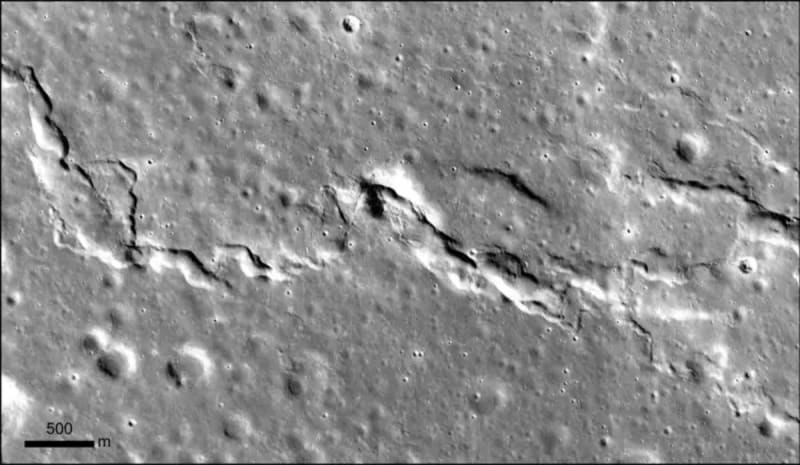
Researchers at the Smithsonian Institution created the first complete map of small ridges across the moon's dark plains, uncovering more than 1,100 previously unknown geological features. These ridges tell the story of a moon that's still geologically active after more than four billion years.
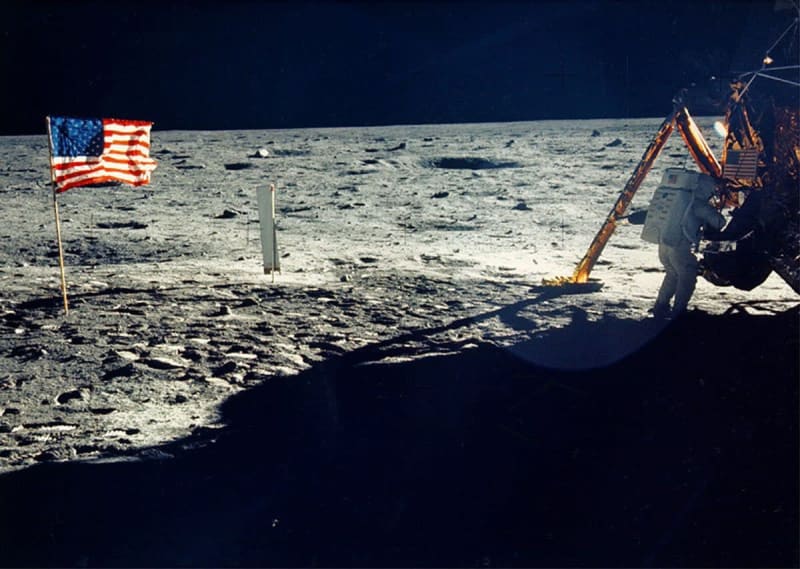
The discovery matters because NASA plans to send Americans back to the moon in 2027 through its Artemis program. Understanding where moonquakes might happen helps mission planners choose the safest spots for astronauts to land and eventually build a lunar base.
Scientists have known for decades that the moon produces moonquakes from Earth's gravitational pull, meteoroid impacts, and movement in its interior. But this new map reveals potential seismic threats that researchers didn't know existed.
The ridges average about 124 million years old, which sounds ancient but represents just a tiny fraction of the moon's total lifespan. They form through the same process that creates larger lunar hills, showing that tectonic activity continues across wide areas of the moon's surface.
"This work helps us gain a globally complete perspective on recent lunar tectonism on the moon," said Cole Nypaver, a post-doctoral research geologist at the Center for Earth and Planetary Studies. The findings increase the known number of ridges on the lunar surface to more than 2,600.
The research connects to earlier NASA discoveries showing the moon is slowly shrinking as it loses heat over billions of years. This cooling makes the moon denser and crinkles its surface, similar to how a grape wrinkles as it becomes a raisin.
The Bright Side
Instead of limiting where astronauts can safely land, this discovery gives NASA the information needed to choose the best locations. Mission planners can now avoid high-risk seismic zones and select spots where future lunar residents will be safer.
The research directly benefits not just the first crews returning to the moon, but everyone who follows. A better understanding of lunar tectonics and seismic activity means safer missions and more successful science as humans establish a permanent presence on our nearest celestial neighbor.
Humans will walk on the moon again in just a few years, and thanks to this breakthrough mapping project, they'll know exactly where to step.
More Images


Based on reporting by Google: NASA discovery
This story was written by BrightWire based on verified news reports.
Spread the positivity!
Share this good news with someone who needs it