Scientists May Have Solved the 'Little Red Dots' Mystery
Astronomers using the James Webb Space Telescope have uncovered strong evidence that mysterious "little red dots" from the early universe are actually black hole stars. The discovery helps explain one of space science's newest puzzles.
Scientists may have just cracked one of the universe's newest mysteries, and the answer is as wild as it sounds: black hole stars.
When the James Webb Space Telescope started beaming images back to Earth in 2022, astronomers noticed something strange. Tiny red dots kept appearing in pictures of the early universe, showing up around 600 million years after the Big Bang but vanishing before the universe hit 2 billion years old.
Some scientists said these "little red dots" had "broken cosmology" because nobody could explain what they were. Now, a team led by Vasily Kokorev at the University of Texas at Austin thinks they've found the answer.
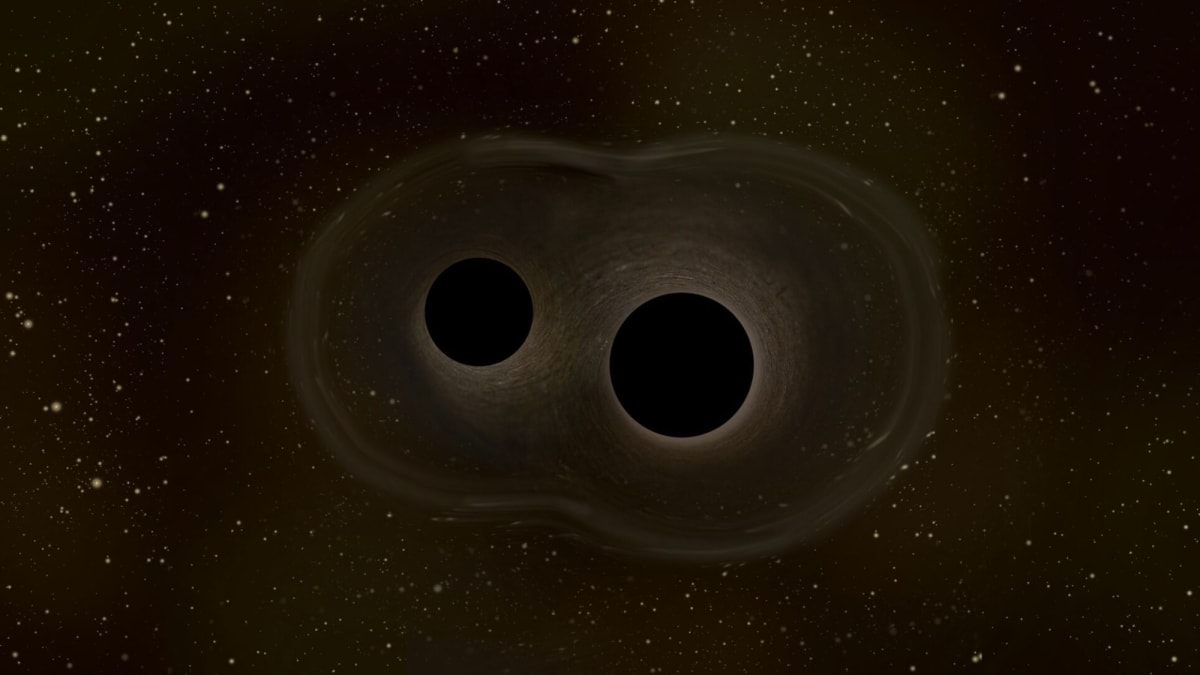
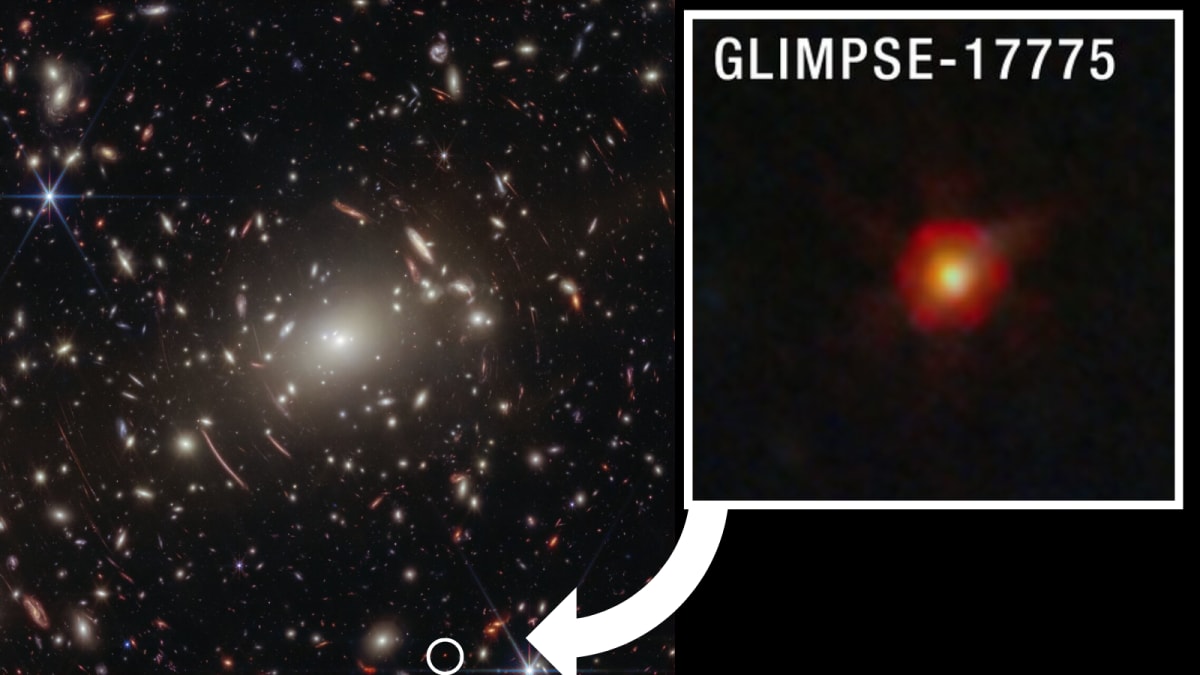
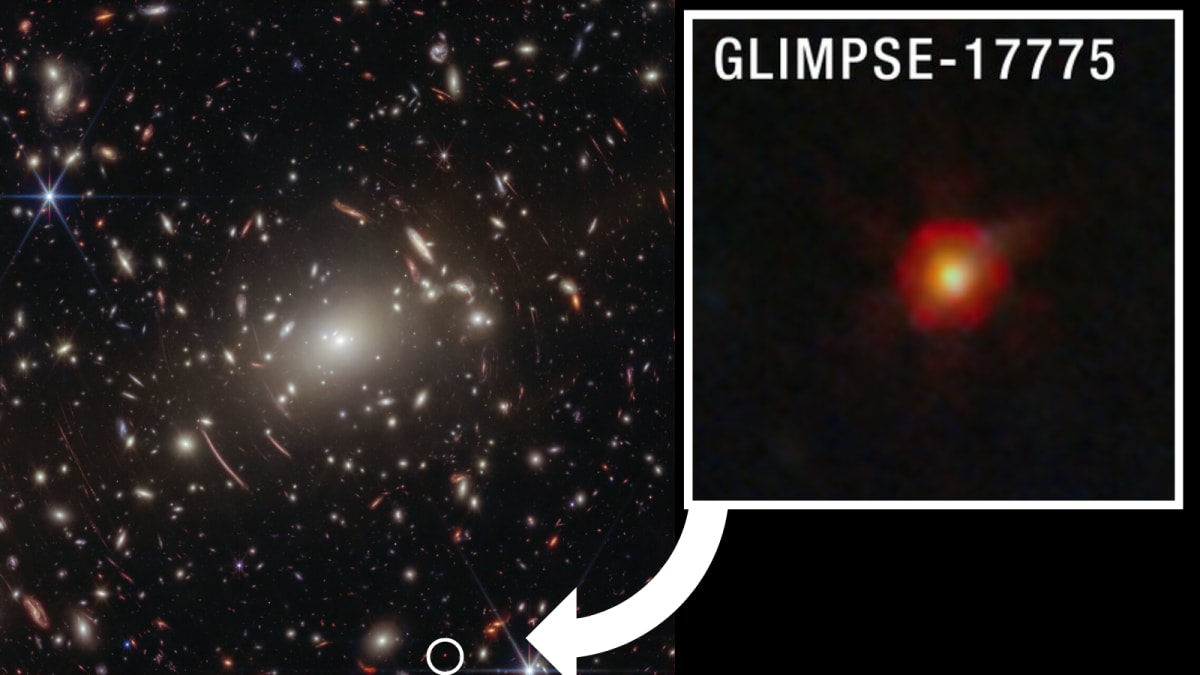
The researchers studied one little red dot called GLIMPSE-17775 using the deepest spectrum of light ever collected from these objects. What they found points to something remarkable: a supermassive black hole wrapped in a dense cocoon of gas, feeding and growing rapidly.
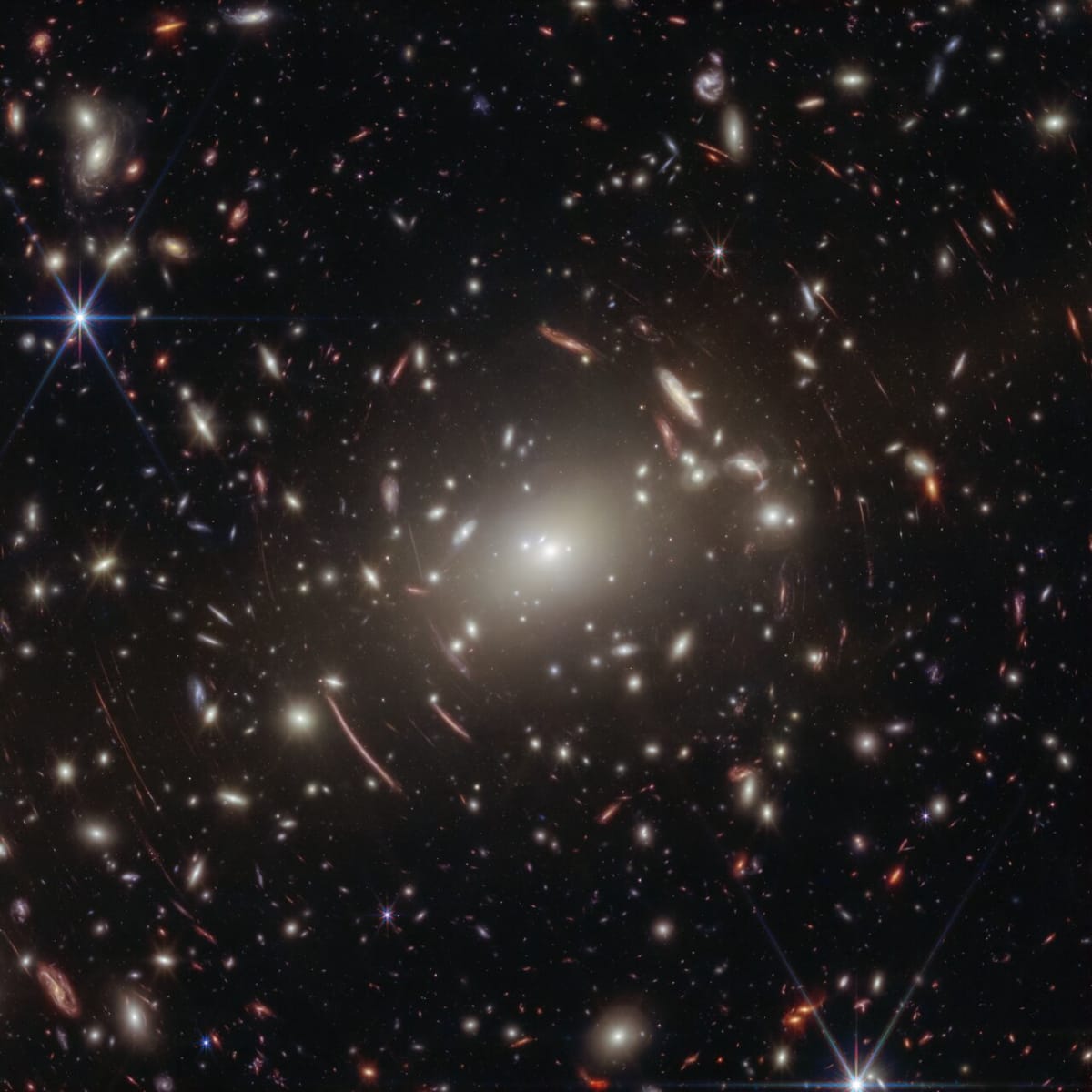
Einstein's theory of general relativity gave the team a helping hand. They used a galaxy cluster called Abell S1063 as a cosmic magnifying glass, bending spacetime to get a closer look at GLIMPSE-17775. This gravitational lensing turned what would have been 80 hours of observation into just 30.
The evidence kept stacking up. The team found emission lines from elements that didn't match a normal rotating gas cloud. They spotted signs of electron scattering, fluorescence, and helium absorbing radiation, all pointing to a thick gas envelope.
They even discovered what they called an "iron forest" in the spectrum, a telltale sign of the high-energy output from a rapidly feeding black hole. Every piece of the puzzle clicked into place.
Why This Inspires
This discovery shows how quickly our understanding of the universe can transform. Just two years ago, these little red dots didn't exist in our observations. Today, scientists are piecing together their life story.
The black hole star explanation also solves why these objects seem to disappear. They're not vanishing, they're evolving. The growing black holes eventually clear away their gas cocoons and transform into more typical galaxies we recognize today.
Kokorev believes we're close to the final answer. "Maybe in a year or two, we'll have the final answer to what powers these sources," he said.
The James Webb Space Telescope continues proving its worth, turning the unknown into the understood one spectrum at a time.
More Images

Based on reporting by Space.com
This story was written by BrightWire based on verified news reports.
Spread the positivity!
Share this good news with someone who needs it