Scientists Push Solar Breakthrough Closer to Market
Researchers at Empa have cracked the code on why promising solar technologies fail to reach consumers, offering a roadmap that could finally bring next-generation solar cells to rooftops worldwide. Their solution: stop chasing efficiency records and start solving real-world problems earlier.
Scientists have figured out why some of the most exciting solar breakthroughs never make it out of the lab, and their discovery could transform how clean energy reaches your home.
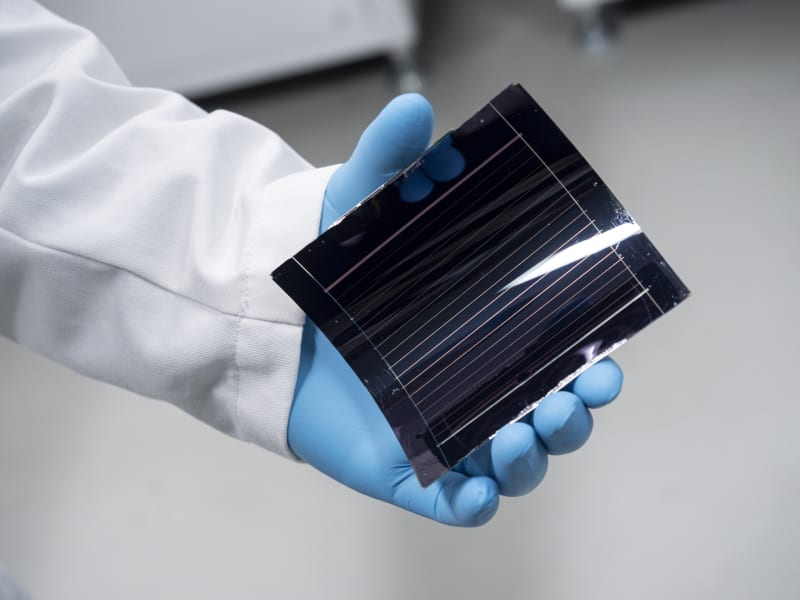
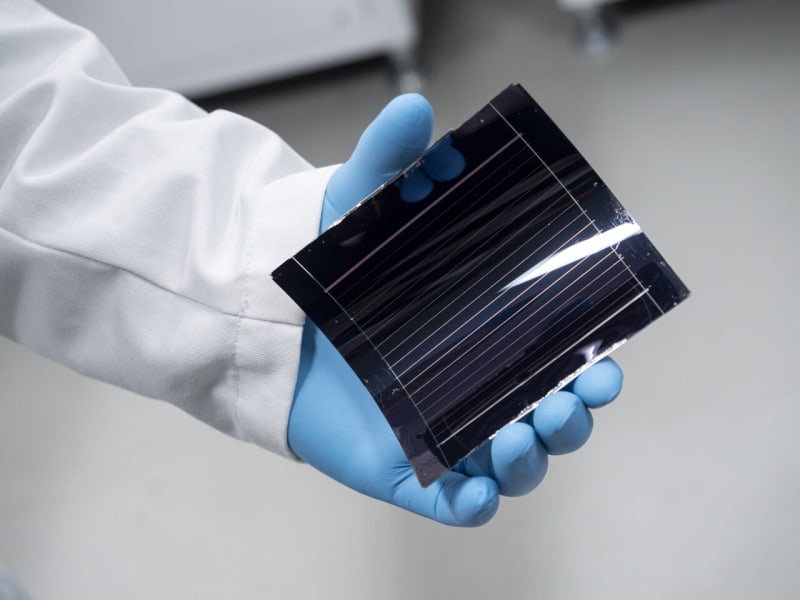
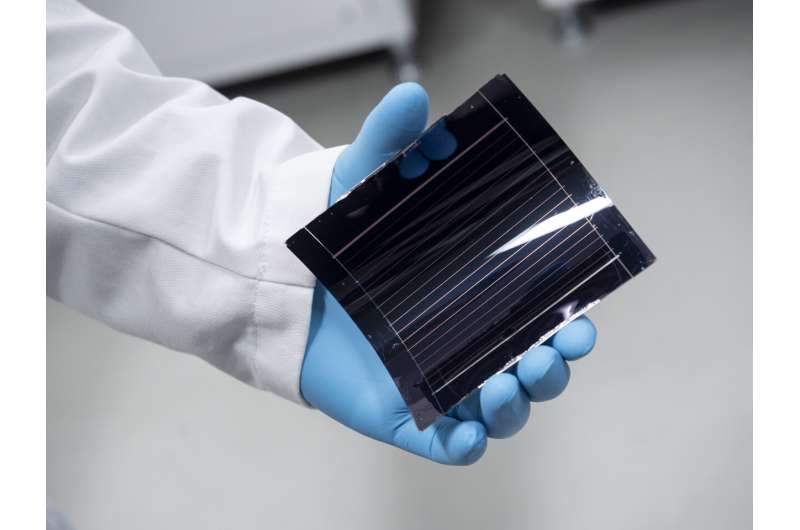
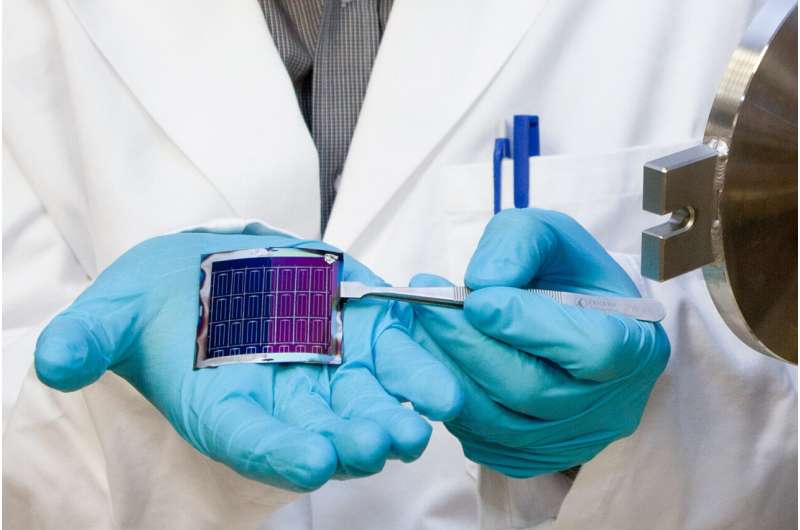
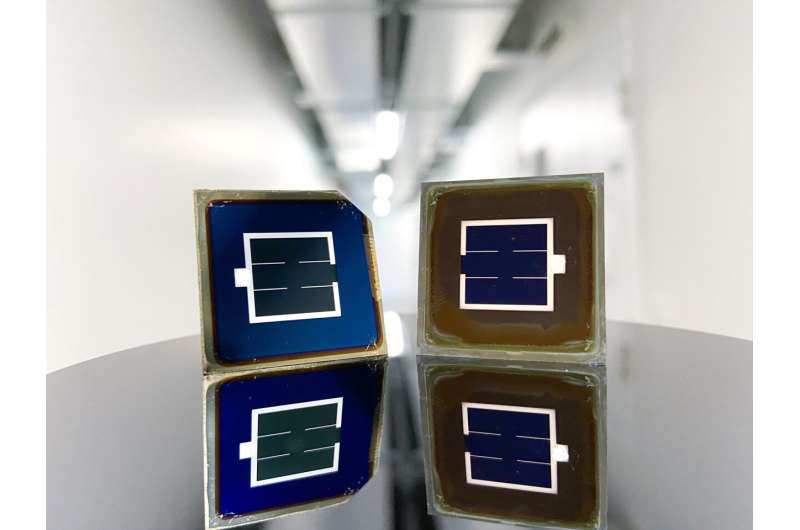
Researchers at Empa, Switzerland's federal materials lab, studied two promising solar technologies that kept setting records but struggled commercially. Both perovskite and CIGS solar cells convert more sunlight into electricity than many current options, yet they've faced major hurdles getting to market.
The problem isn't the science. It's the disconnect between what researchers celebrate and what customers actually need.
"It is much more important to the industry that the product has a long service life, is reliable, and can be manufactured cost-effectively than a few percentage points more efficiency," explains lead researcher Mirjana Dimitrievska. Meanwhile, scientists chase efficiency records because those win funding and publications.
CIGS solar cells peaked in the 1990s and 2000s when silicon prices soared. Companies invested heavily, and labs including Empa broke efficiency records. But the manufacturing process proved too complex and expensive to scale up, and when silicon prices dropped, the newcomer couldn't compete.
Perovskite cells face different challenges. They're only 20 years old but have already attracted over 500 million dollars in global investment by 2025. They can potentially be printed using cost-effective methods, making them incredibly promising.
The catch? They're not stable yet. Perovskite cells are sensitive to environmental conditions and haven't been tested extensively in real-world settings over long periods.
Why This Inspires
The research team isn't just identifying problems. They're building bridges between labs and factories that could change everything.
Their recommendations are refreshingly practical: focus on durability and sustainability instead of just efficiency. Conduct long-term field studies in actual conditions. Most importantly, get researchers and companies talking much earlier in the development process.
Dimitrievska even wants companies to share their failures. "Sometimes, we approach an industry partner with an idea, and they tell us, 'We tried that ten years ago, it doesn't work,'" she says. Publishing those negative results could save years of redundant research.
Research institutions like Empa are uniquely positioned to make this happen because they maintain closer ties to industry than traditional universities. Funding programs that support specific product development, not just pure research, are proving invaluable.
The team remains optimistic about perovskite's future, particularly in tandem designs that combine it with silicon for even better performance. Empa has already spun off Perovskia Solar to commercialize the technology.
This isn't just about better solar panels. It's about creating a smarter path from scientific discovery to solutions people can actually use, potentially accelerating breakthroughs across all clean energy technologies when researchers and industry work as true partners from day one.
More Images
Based on reporting by Phys.org - Technology
This story was written by BrightWire based on verified news reports.
Spread the positivity!
Share this good news with someone who needs it