Scientists Recreate Big Bang Matter in Giant Collider
Scientists at the world's most powerful particle accelerator just got their clearest look yet at the primordial soup that filled the universe moments after its birth. The discovery reveals how the building blocks of everything came together in the first fractions of a second.
Scientists at CERN have recreated the cosmic recipe that cooked up our universe just moments after the Big Bang, and the results are rewriting what we thought possible.
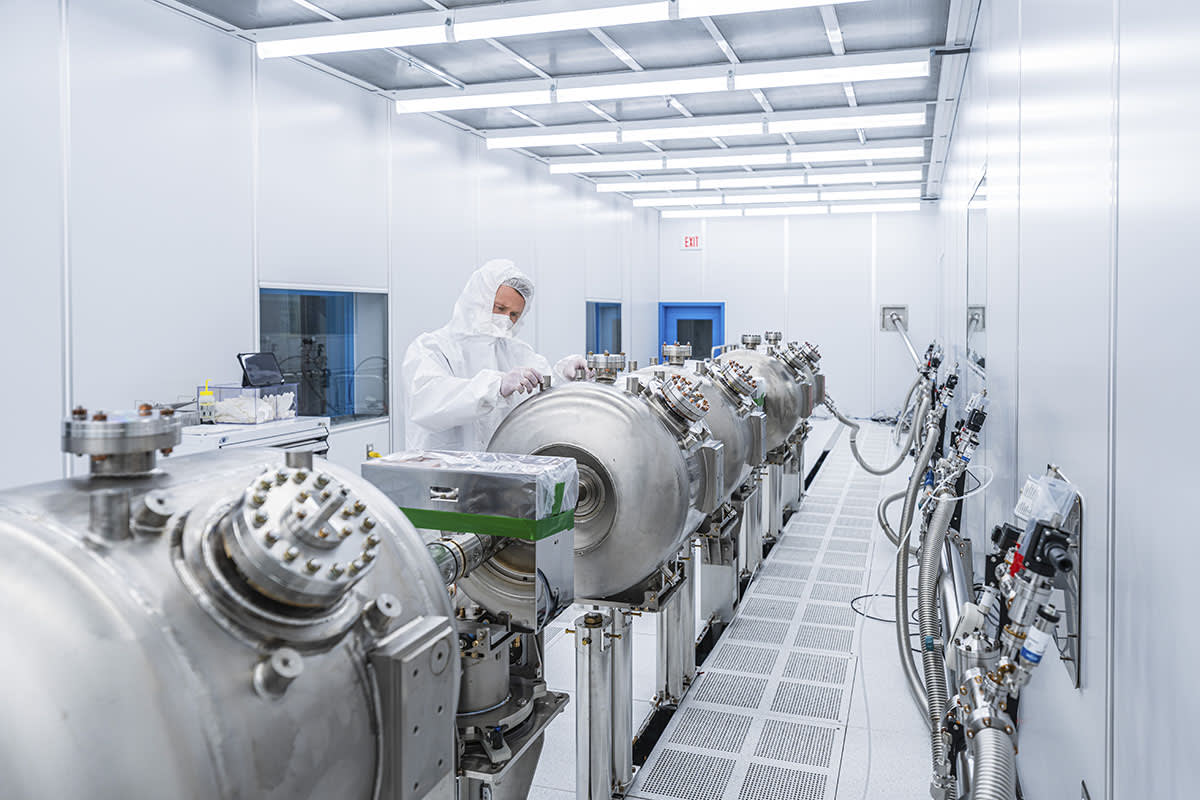
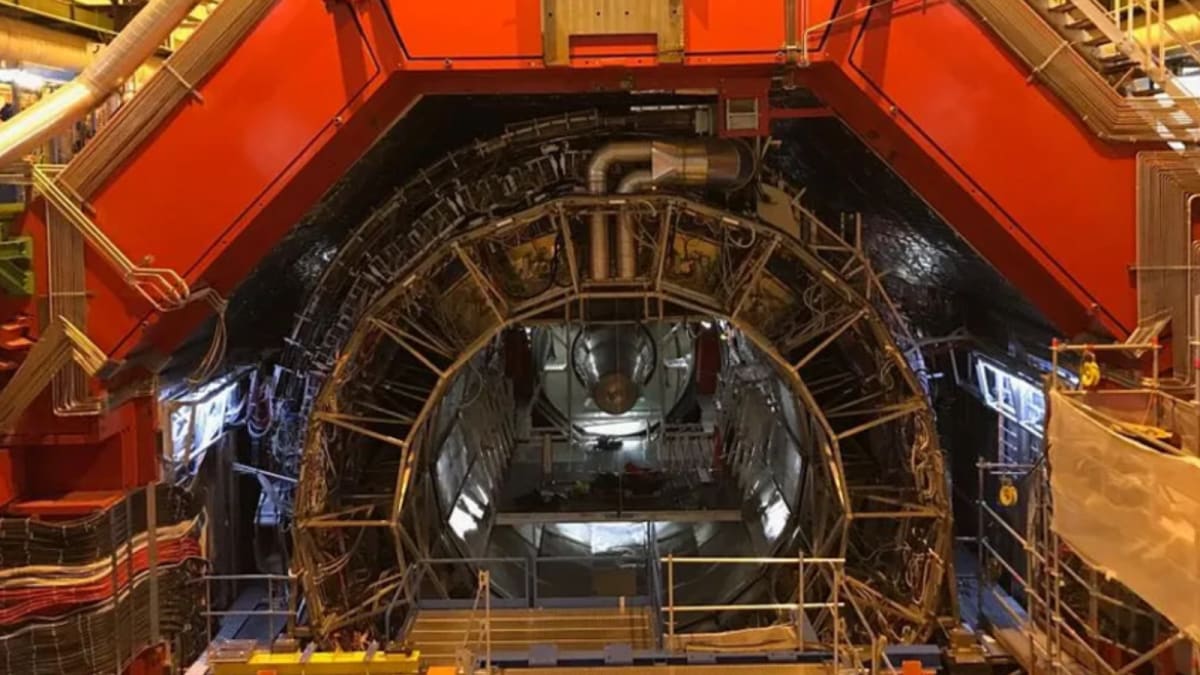
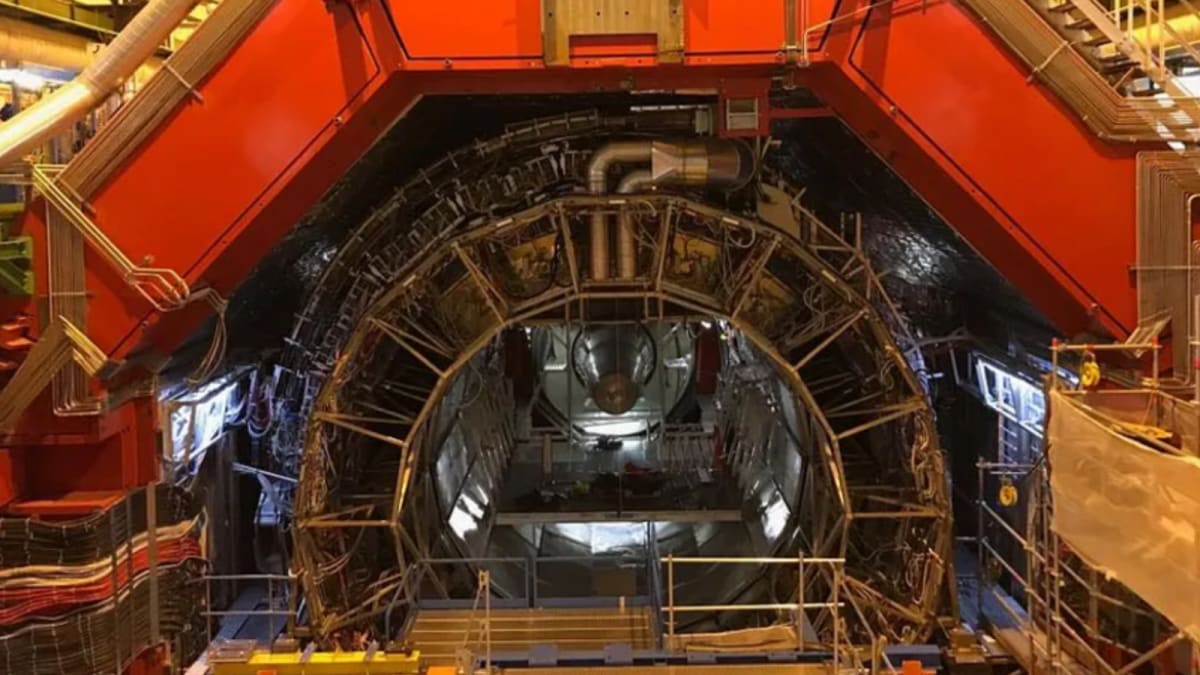
Deep beneath the French Alps, researchers at the Large Hadron Collider smashed iron atoms together at near-light speed to recreate quark-gluon plasma. This scorching hot primordial soup filled the entire cosmos during the first fractions of a second after the universe began.
The ALICE experiment team made a surprising discovery. They spotted the same telltale pattern in tiny collisions between individual protons as they saw in massive collisions between lead nuclei.
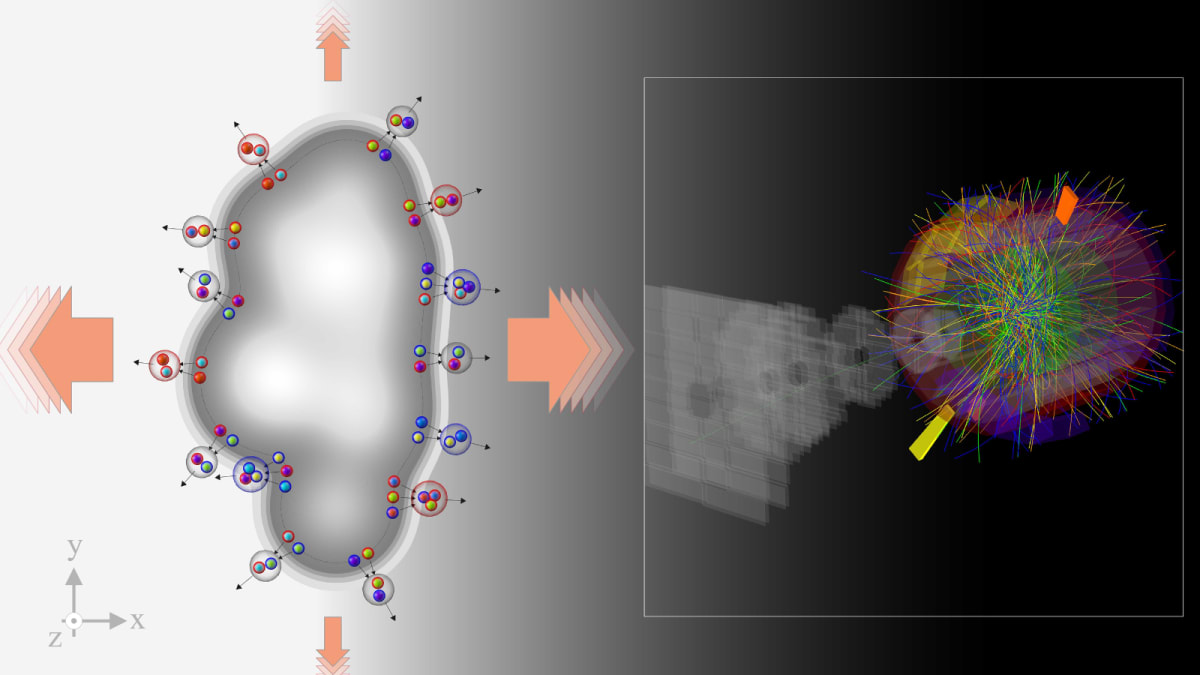
Scientists had assumed collisions this small couldn't generate quark-gluon plasma at all. But the signature was unmistakable: particles streaming out in preferred directions rather than spreading evenly.
The pattern reveals how quarks, the fundamental building blocks of matter, first came together to form larger particles. Baryons made of three quarks flow more strongly than mesons made of two quarks, exactly matching what happened in the baby universe.
David Dobrigkeit Chinellato, Physics Coordinator of ALICE, explained the breakthrough. "This is the first time we have observed this flow pattern in a subset of proton collisions in which an unusually large number of particles are produced," he said.
The findings support a fascinating possibility: an expanding system of quarks can form even when the collision system is surprisingly small. This means the primordial plasma that birthed our universe might have emerged from smaller interactions than anyone expected.
Why This Inspires
Understanding the first moments of existence connects us to something profound. Every atom in our bodies, every star in the sky, and every planet orbiting distant suns emerged from that original cosmic soup.
The ALICE team isn't stopping here. They recorded oxygen collisions in 2025 that bridge the gap between the smallest and largest particle crashes, promising even deeper insights into how our universe transformed from plasma into everything we see today.
Scientists are now one step closer to reading the universe's original recipe, written in the first heartbeat of time itself.
More Images


Based on reporting by Space.com
This story was written by BrightWire based on verified news reports.
Spread the positivity!
Share this good news with someone who needs it