Scientists Restore Memory in Mice by Recharging Brain Cells
French researchers reversed memory loss in mice by boosting the tiny power plants inside brain cells, offering fresh hope for future Alzheimer's treatments. The breakthrough suggests energy failure may drive dementia symptoms before neurons actually die.
Scientists just proved that fixing the brain's energy problem might restore lost memories.
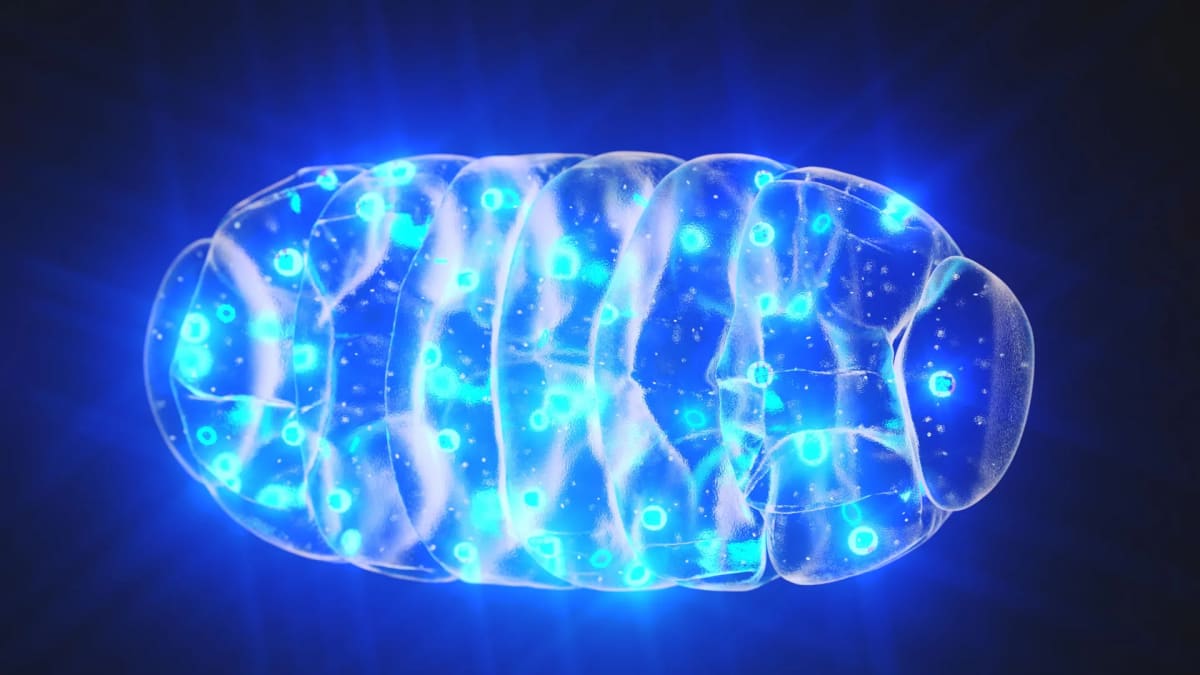
Researchers at France's Inserm and the University of Bordeaux discovered that mitochondria, the microscopic power plants inside our cells, may directly cause memory loss when they fail. When they recharged these tiny engines in mice with dementia-like symptoms, the animals' memories improved.
The finding, published in Nature Neuroscience, marks the first time scientists have shown a clear cause and effect link between failing mitochondria and cognitive decline. It challenges the assumption that energy problems in the brain only happen after disease has already damaged neurons.
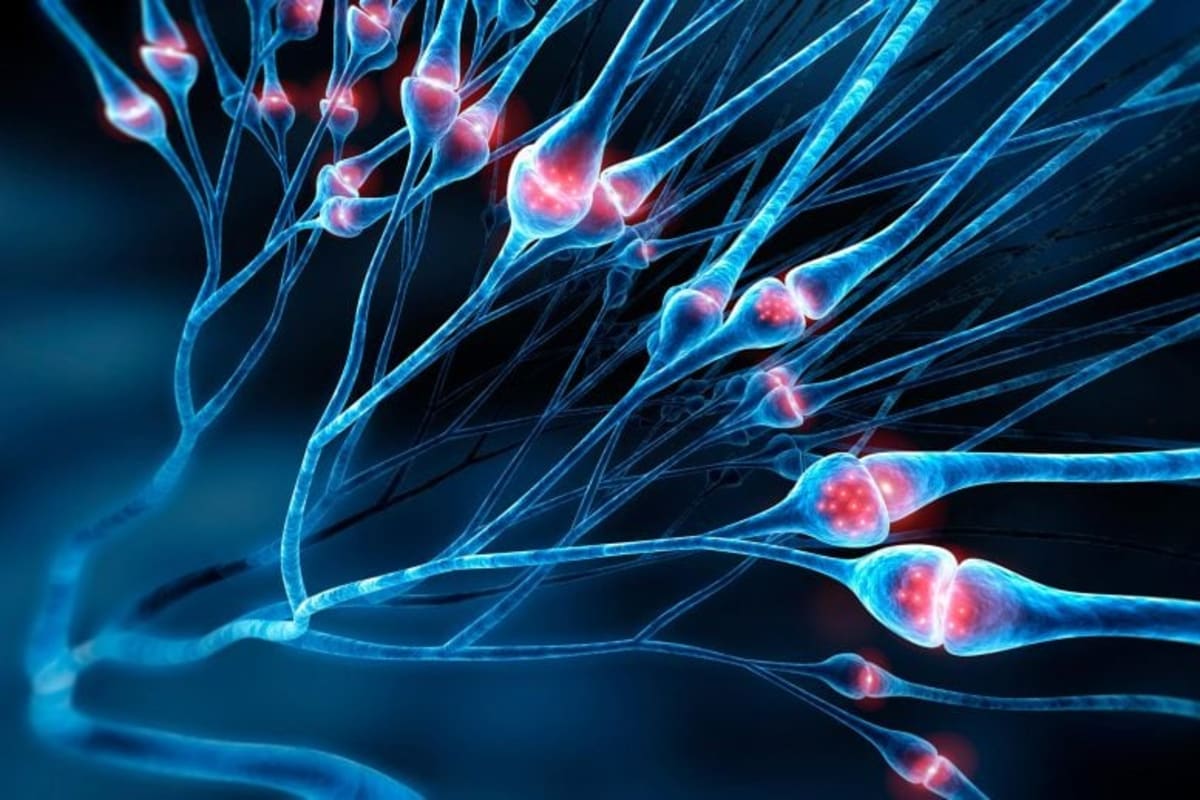
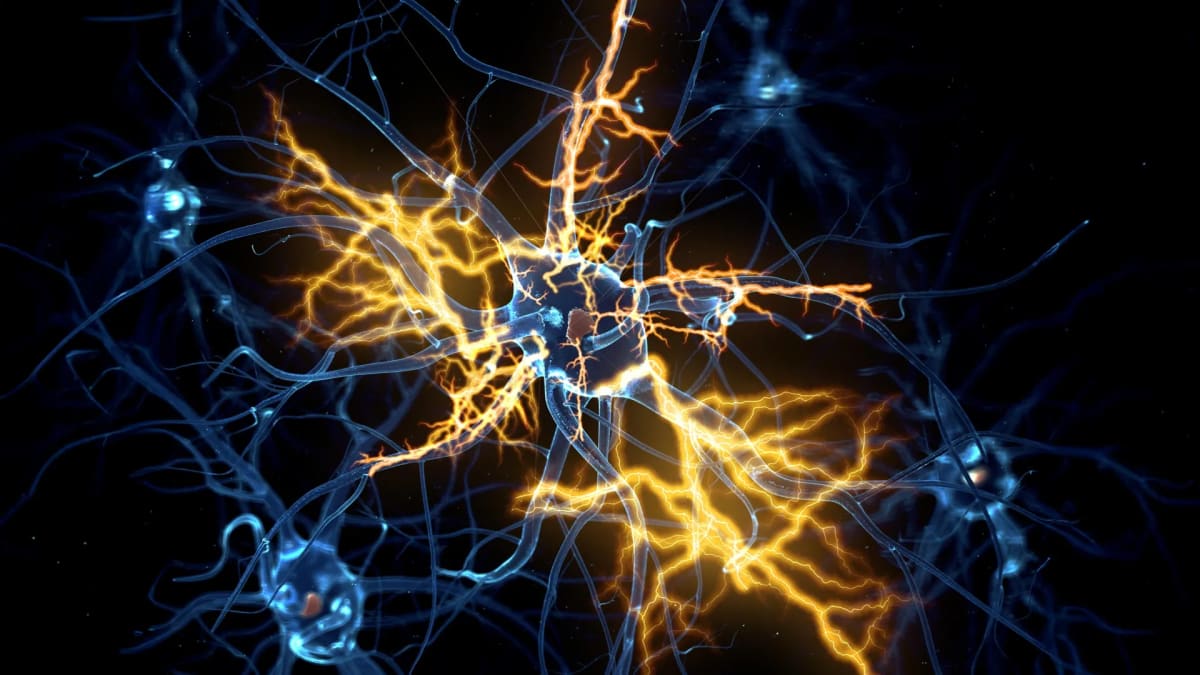
Your brain uses about 20% of your body's total energy, even though it only makes up 2% of your weight. Neurons need that power to communicate with each other and form memories. When mitochondria can't keep up with energy demands, brain cells struggle to function properly.
The research team created a special tool called mitoDreadd-Gs that temporarily boosts mitochondrial activity. When they activated it in the brains of mice modeling dementia, the animals' memory performance returned to normal levels.
Giovanni Marsicano, the Inserm research director who co-led the study, says the work establishes mitochondrial failure as a potential starting point for neurodegeneration, not just a symptom. That opens an entirely new avenue for treatment research.
The team built on their earlier discovery that G proteins, which relay signals inside cells, help regulate mitochondrial activity in the brain. Their new artificial receptor activates these G proteins directly inside mitochondria, essentially giving brain cells an energy boost.
Why This Inspires
This discovery comes at a crucial time for dementia research. After decades focused almost exclusively on removing amyloid plaques from the brain, scientists are widening their view to include energy metabolism, inflammation, and cellular stress. Recent Mayo Clinic research also linked mitochondrial problems to Alzheimer's progression, reinforcing this shift.
The approach doesn't replace other research directions, but it adds a powerful new lens for understanding why memories fade. If energy failure happens before neurons die, then helping cells produce more energy might slow or prevent symptoms from appearing in the first place.
The researchers are careful to note this isn't a treatment ready for humans. Animal studies represent early but essential steps, and much more work is needed to determine if similar approaches could work safely in people.
Still, the tool they developed could help identify exactly which molecular mechanisms drive dementia symptoms. That knowledge could eventually lead to treatments targeting the brain's energy systems rather than just trying to remove protein buildups.
For the millions of families watching loved ones fade into dementia, this research offers something precious: a new reason to hope that science is getting closer to real answers.
Based on reporting by Health Daily
This story was written by BrightWire based on verified news reports.
Spread the positivity!
Share this good news with someone who needs it