Scientists Revive 26 New Species from 40,000-Year Ice
Army researchers discovered 26 never-before-seen microbe species in ancient Alaskan permafrost that could lead to frostbite-preventing creams and ice-resistant coatings. These tiny survivors have stayed alive in frozen ground for 40,000 years, and scientists are unlocking their secrets.
Army scientists just woke up 26 brand new species of microbes that have been frozen in Alaska for 40,000 years, and these tiny time travelers might help protect people in the coldest places on Earth.
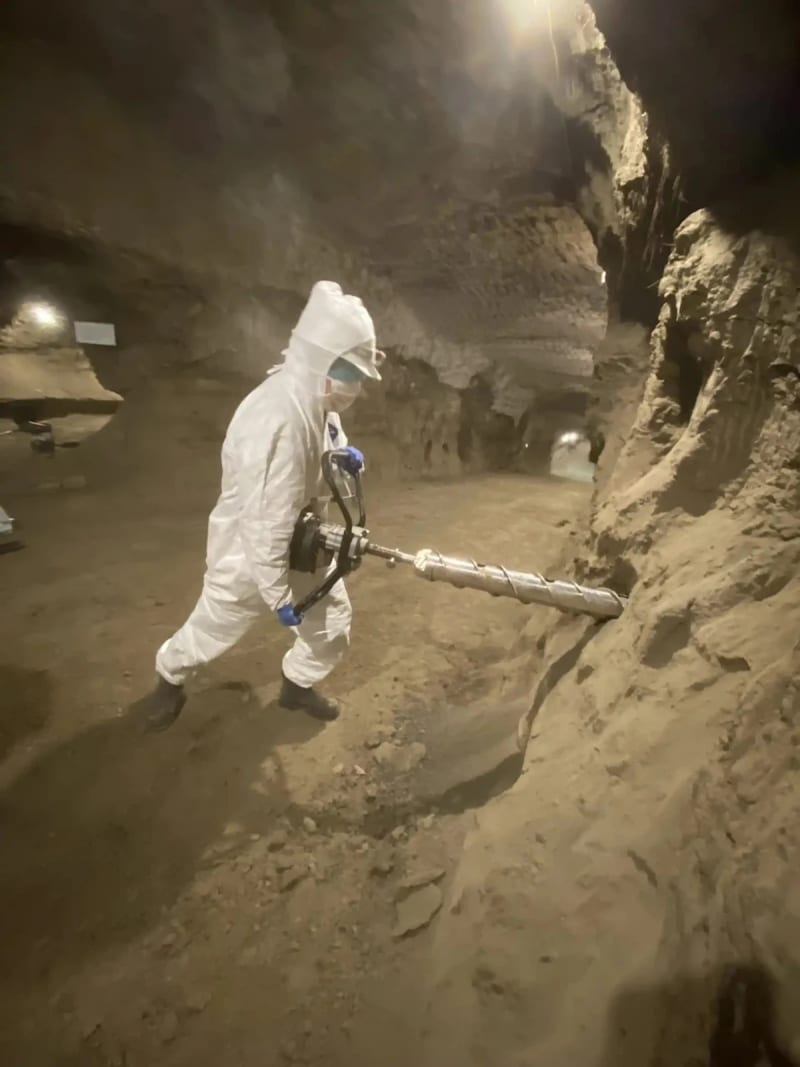
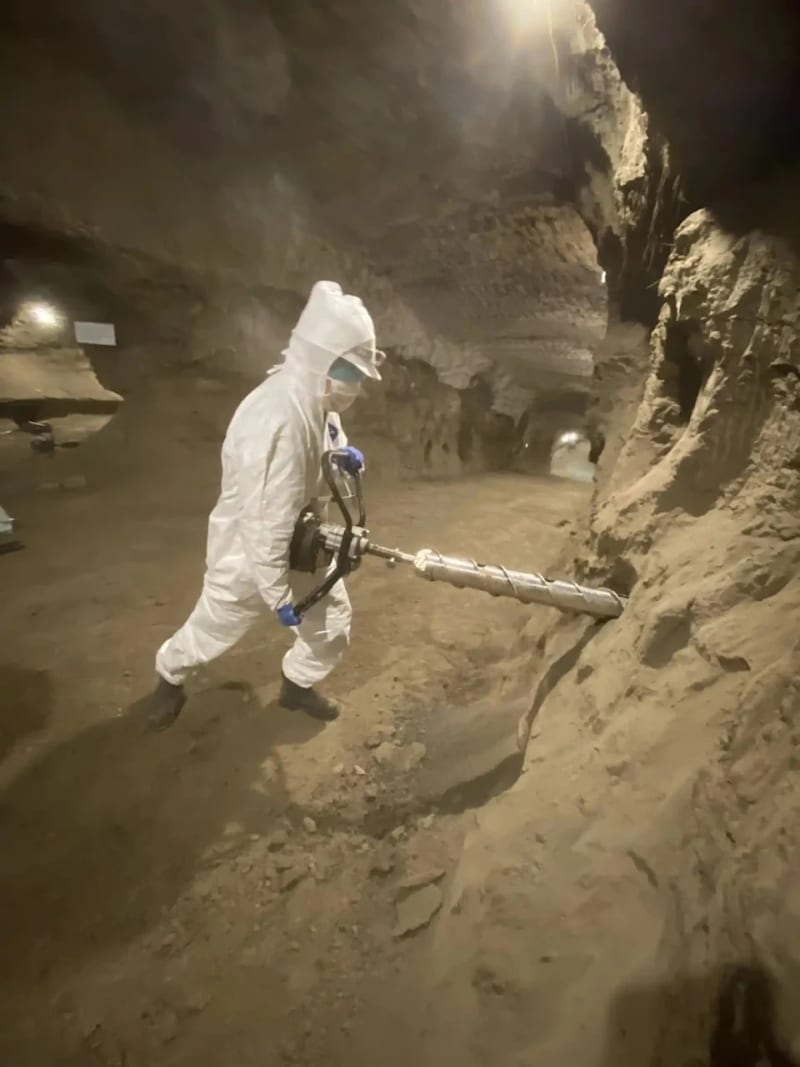
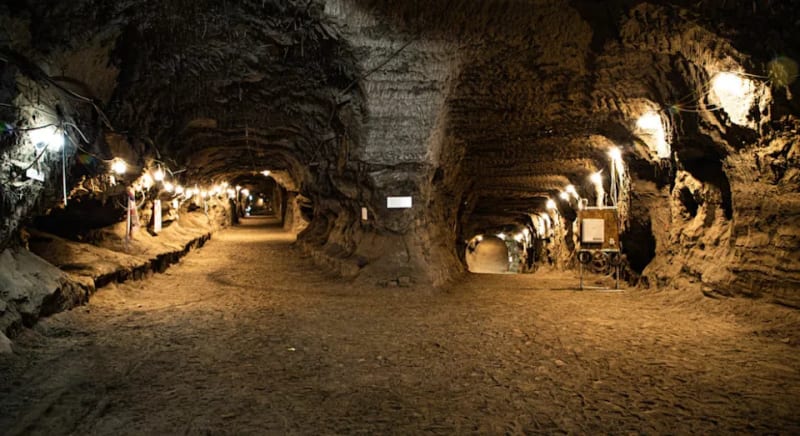
The microorganisms came from permafrost deep in the U.S. Army's research tunnel in Fox, Alaska. Dr. Robyn Barbato and her team carefully extracted frozen soil samples and brought them to life in their New Hampshire laboratory.
"There are these organisms that we didn't even know existed that have been locked in frozen ice or permafrost," said Barbato, comparing the discovery to seeing exotic animals for the first time. The microbes are now part of a project called Ice Control for Cold Environments, or ICE.
Here's what makes these ancient microbes special: they've evolved to stay alive at temperatures that would kill most living things. Scientists want to copy their natural antifreeze abilities to create products that protect humans and equipment in extreme cold.
The Ripple Effect
The possibilities go beyond military use. Barbato's team envisions developing skin creams that could prevent frostbite for anyone working or living in cold climates, from Arctic researchers to construction workers in northern regions.
They're also working on spray-on coatings that stop ice from building up on vehicles and equipment. This could improve safety and performance not just for military operations, but potentially for commercial airlines, power lines, and wind turbines in cold regions.
The frozen tunnel where these microbes lived has been a natural laboratory since the 1960s. Originally dug to test construction techniques in frozen ground, it's become a treasure trove for scientists studying how life adapts to extreme conditions.
What's even more exciting? These 26 species represent 52 percent of all the bacteria they've examined from the tunnel. "We have every reason to believe that the more we look, the more new species we will find," Barbato said.
The microbes now live in CRREL's ICE COLD collection, a library of living organisms gathered from the Arctic, Antarctica, and high-altitude sites around the world. Each tiny survivor holds potential secrets that could help people thrive in Earth's most challenging environments.
The work shows how nature's oldest solutions might solve our newest problems.
More Images

Based on reporting by Google News - Science
This story was written by BrightWire based on verified news reports.
Spread the positivity!
Share this good news with someone who needs it