Scientists Solve Life-Sustaining Chemistry Without Quantum Tech
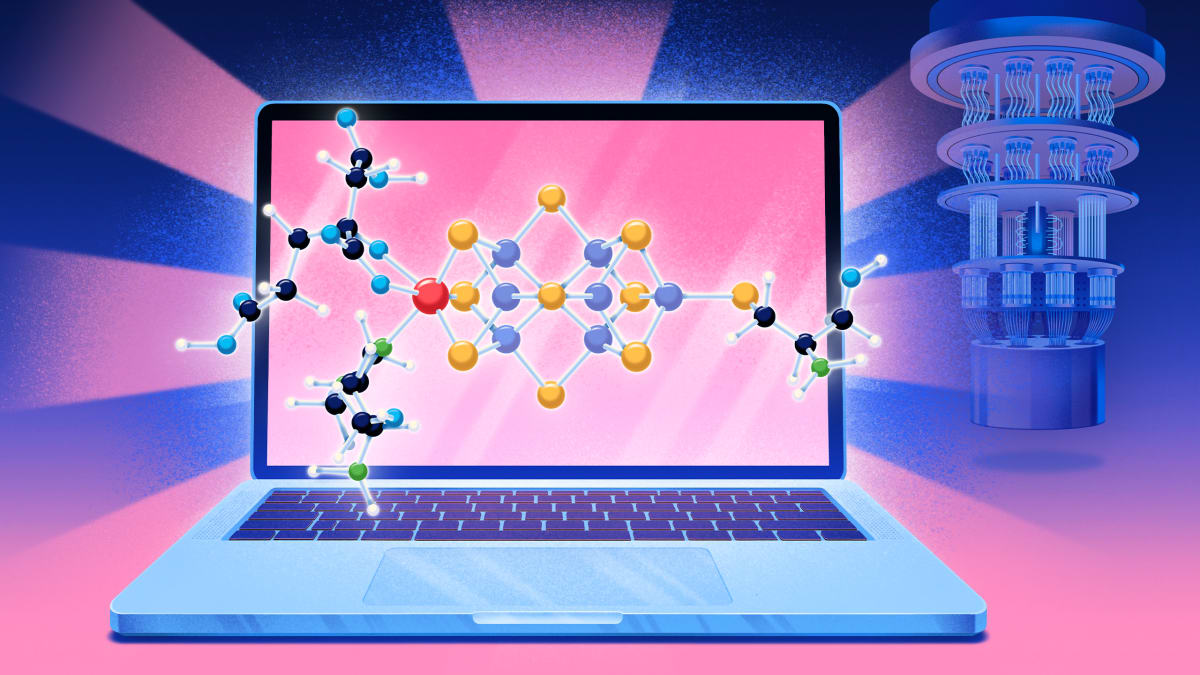
A team of chemists just cracked one of nature's biggest mysteries using regular computers, proving we don't need to wait for quantum technology to understand the reactions that make life possible. The breakthrough reveals how a crucial enzyme creates fertilizer from thin air.
After decades of effort, scientists have finally figured out how nitrogenase works, the enzyme that makes life on Earth possible by turning nitrogen from the air into ammonia.
What makes this victory even sweeter? They did it with regular computers, not the super-advanced quantum machines many experts insisted would be necessary.
Garnet Chan and his team at the California Institute of Technology achieved what many thought required technology that doesn't fully exist yet. In early January, they reached a major milestone in understanding nitrogenase, solving a puzzle that supports all life on our planet.
The enzyme performs one of nature's most essential jobs. Before nitrogenase evolved, living things were severely limited by available nitrogen. Now this molecular machine lets organisms create the nitrogen-based building blocks they need to survive.
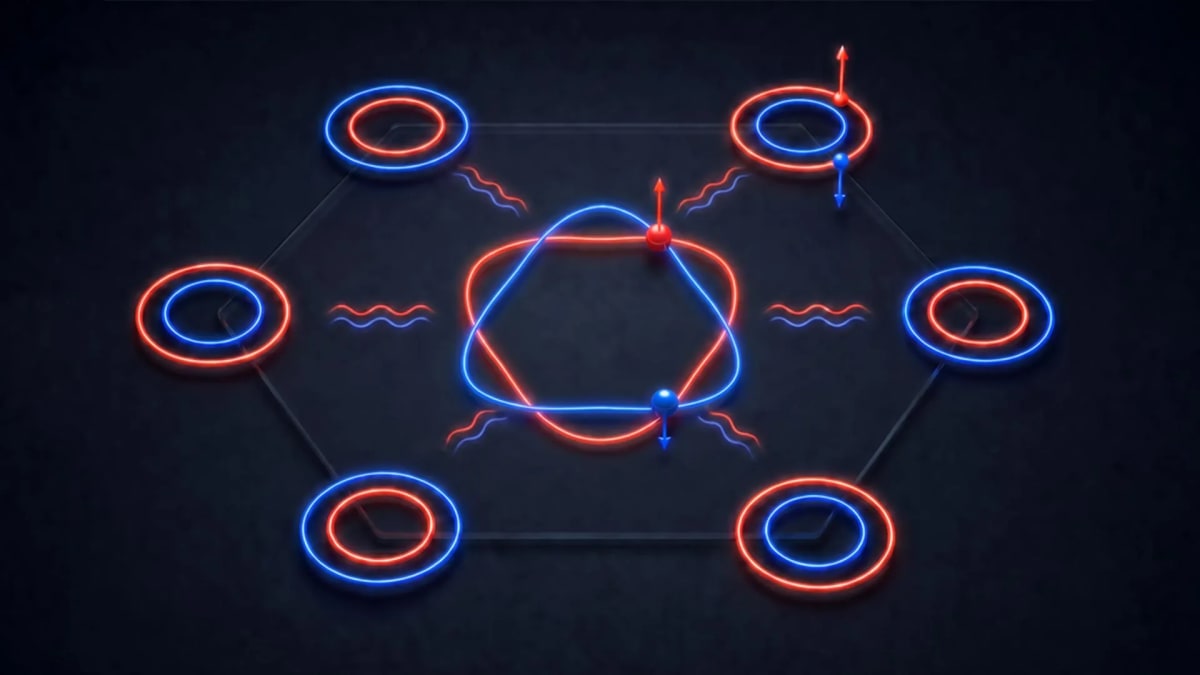
Understanding how nitrogenase works has been brutally difficult. The enzyme involves many electrons linked through quantum entanglement, creating an explosively large number of possible configurations. For years, quantum computing researchers pointed to this exact problem as proof that only quantum computers could solve it.
Chan never bought that argument. His primary goal has always been solving important chemistry problems, not waiting for future technology. "If classical computers are the right tool to do it, we should," he said.
His team just proved classical computers are up to the task. Using purely traditional computing methods, they mapped out the complex quantum behavior that makes this life-sustaining enzyme tick.
The Bright Side
This breakthrough means scientists can tackle other crucial chemistry questions right now instead of waiting years for quantum computers to mature. Every problem solved today accelerates our understanding of the natural processes that sustain life.
Chan believes quantum computers will eventually play an important role in chemistry, but his work shows we shouldn't put research on hold. The tools we have today are more powerful than many experts assumed.
Some quantum computing advocates argue the decades-long effort proves their point about needing faster machines. James Whitfield at Dartmouth College questions whether solving one system after 20 years counts as truly practical.
But Chan sees it differently. Each classical solution expands what we know is possible without waiting for tomorrow's technology. Understanding nitrogenase doesn't just settle scientific debates; it reveals the chemistry that makes our world work.
The future of solving nature's mysteries looks brighter than ever, and it's arriving faster than expected.
More Images



Based on reporting by Google News - Technology
This story was written by BrightWire based on verified news reports.
Spread the positivity!
Share this good news with someone who needs it