Scientists Solve the 100-Year Mystery of T. Rex's Tiny Arms
After more than a century of debate, researchers have finally cracked the puzzle of why T. rex had such comically small arms. The answer reveals a fascinating trade-off that shaped dinosaur evolution for 180 million years.
Scientists just answered one of paleontology's most enduring questions: why did the mighty Tyrannosaurus rex have such tiny, seemingly useless arms?
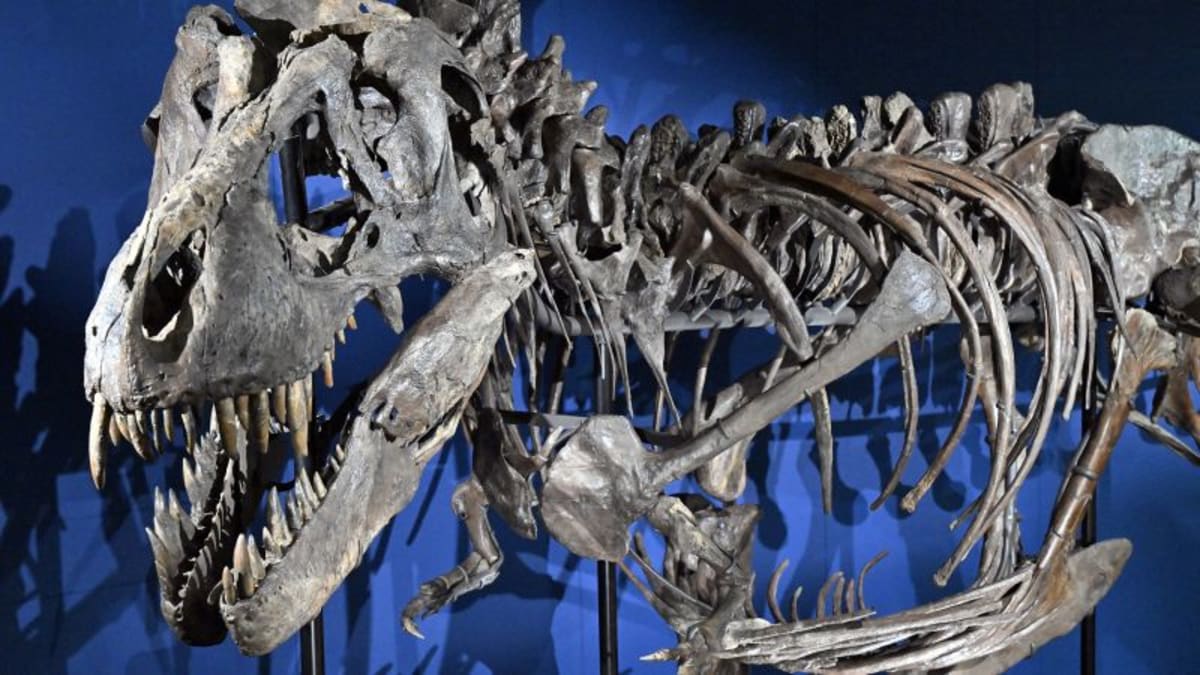
The answer is simpler and more elegant than anyone expected. As T. rex's massive skull grew larger and stronger to take down bigger prey, evolution traded away arm length to focus resources where they mattered most.
"If you're a dinosaur with a very strongly put together skull, chances are you're going to have very small forelimbs," explained Charlie Roger Scherer, a doctoral student at University College London who led the groundbreaking study. The research analyzed 85 dinosaur species and found this pattern repeated across five different dinosaur groups over 180 million years.
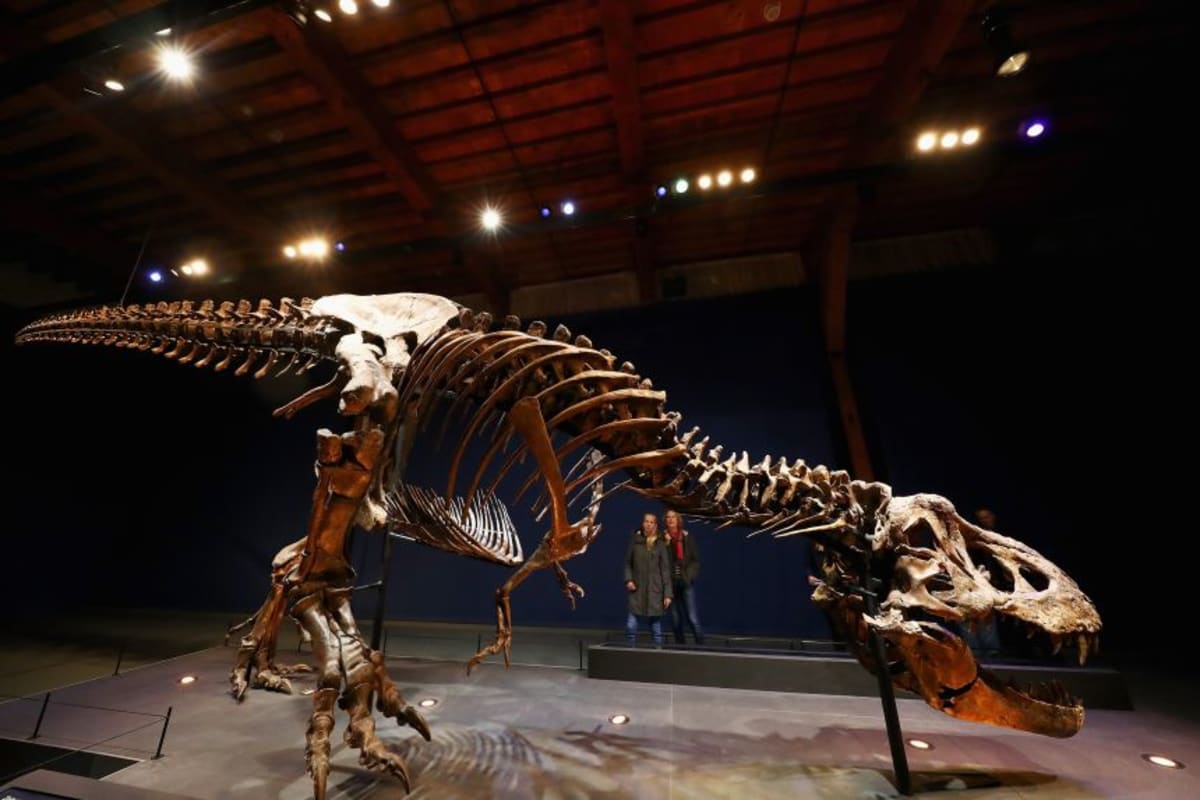
At just 3 feet long, T. rex's arms were less than a third the length of its legs, looking wildly out of proportion on a body that could stretch over 40 feet. For decades, scientists proposed theories ranging from holding prey to impressing mates, but none stuck.
The new study, published in Proceedings of the Royal Society B, reveals that evolution doesn't like multitasking. When these massive predators specialized in bringing down large prey with their jaws, their bodies invested energy in building stronger skulls instead of maintaining long arms with claws.
Researchers measured skull strength using a new system that accounted for size, bone structure, and bite force. T. rex scored highest, followed by Tyrannotitan, another massive meat eater from Argentina.
Why This Inspires
This discovery shows how patient scientific work can solve mysteries that have puzzled us for generations. What seemed like a design flaw was actually brilliant optimization.
The pattern appeared in dinosaurs living across every continent, from the start of the dinosaur age through their extinction 180 million years later. Some species shortened their fingers first, while others reduced forearm length, but all followed the same underlying principle.
"Everything was approached headfirst, so the head just became what came into contact with the prey," Scherer said. As prey animals grew larger, these predators responded by making their primary weapon bigger and more powerful.
The arms weren't completely useless, though. "They obviously served some kind of function, otherwise they wouldn't have them," Scherer noted, leaving one more mystery for future researchers to unravel.
This breakthrough reminds us that nature's solutions are often more clever than they first appear, and that persistence in asking questions eventually yields answers.
More Images

Based on reporting by Google News - Science
This story was written by BrightWire based on verified news reports.
Spread the positivity!
Share this good news with someone who needs it