Scientists Store Data in 3D Light Using AI
Researchers in China developed a breakthrough holographic system that stores massive amounts of data inside light itself, using three dimensions instead of flat surfaces. An AI model reads the information back, opening doors to smaller data centers and faster storage worldwide.
The world's data storage problem just got a whole lot smaller, thanks to a team of scientists who figured out how to pack information into light itself.
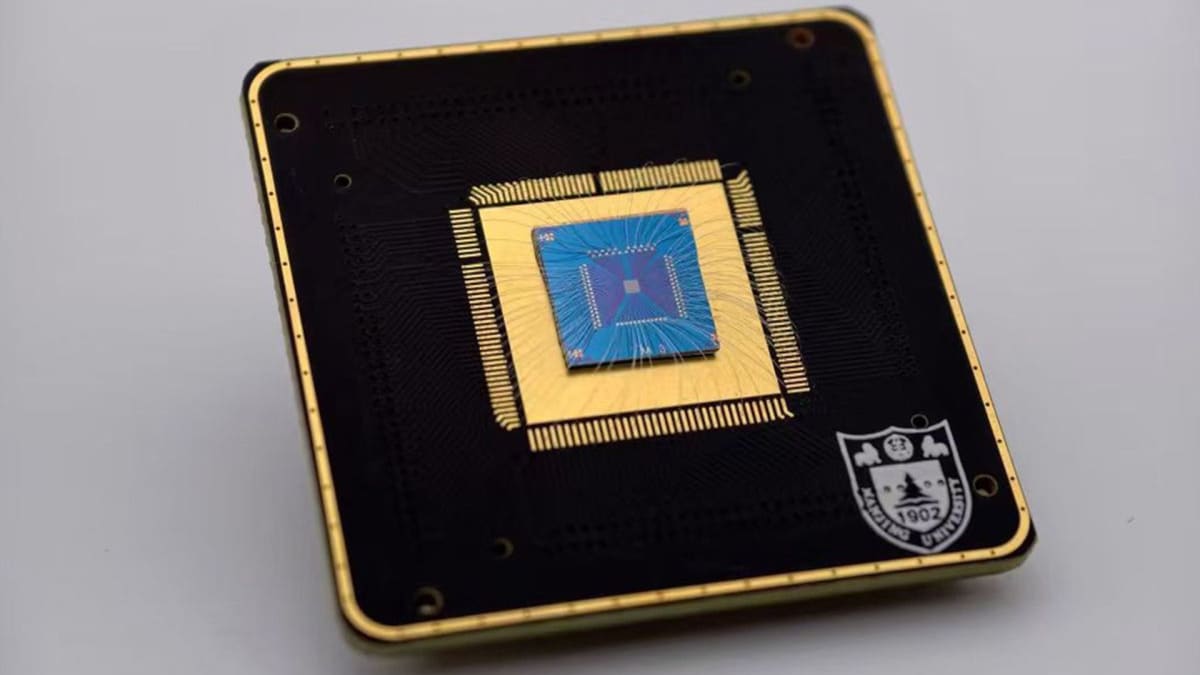
Researchers at Fujian Normal University in China created a holographic storage system that works nothing like your hard drive or USB stick. Instead of writing data onto flat surfaces, it embeds information throughout the entire volume of a material using laser light.
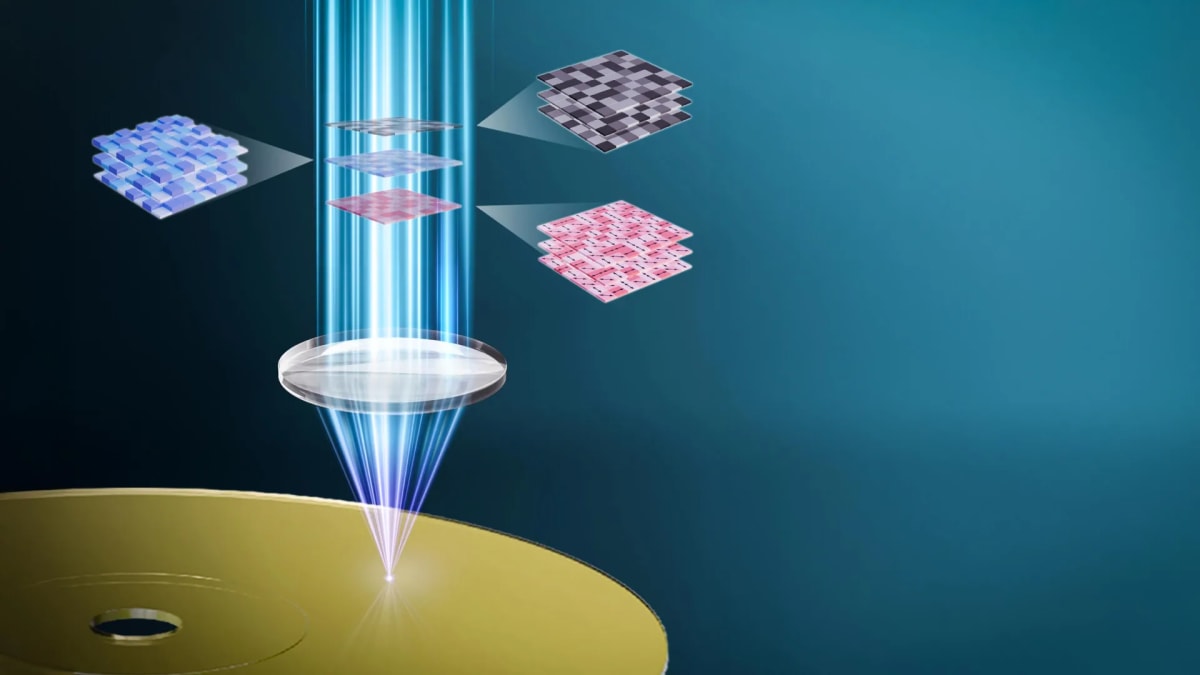
The secret lies in combining three properties of light at once: amplitude, phase, and polarization. Traditional holographic storage uses just one or two of these properties, but team leader Xiaodi Tan and his colleagues found a way to harness all three simultaneously. Think of it like turning a single lane road into a three lane highway for information.
Here's where it gets really clever. The team trained an artificial intelligence model to read the data back. Standard sensors can only detect light intensity, making it tricky to retrieve information stored in multiple dimensions. The neural network analyzes patterns in the light and reconstructs all three types of data at once, making the whole process faster and more efficient.
The system stores information as image-like pages created by overlapping laser light patterns. Because these patterns exist throughout the material rather than just on its surface, far more data fits in the same space. The AI decoding also eliminates the need for complex, step-by-step measurements that slowed down previous approaches.
Why This Inspires
This breakthrough could reshape how we store the enormous amounts of data our world generates every day. Smaller, more efficient data centers mean less energy consumption and lower costs. The technology could also improve data security through optical encryption and enable faster transmission speeds.
The research, published in the journal Optica, is still in early stages. The team plans to refine the recording materials for better stability and combine their method with other techniques that could store multiple pages of data simultaneously. They're also working to expand the system's capacity even further.
What started as a theoretical challenge in a Chinese university lab might soon help solve one of technology's biggest puzzles: where to put all our information without building endless warehouses full of servers.
The future of data storage isn't bigger, it's brighter.
Based on reporting by Science Daily
This story was written by BrightWire based on verified news reports.
Spread the positivity!
Share this good news with someone who needs it