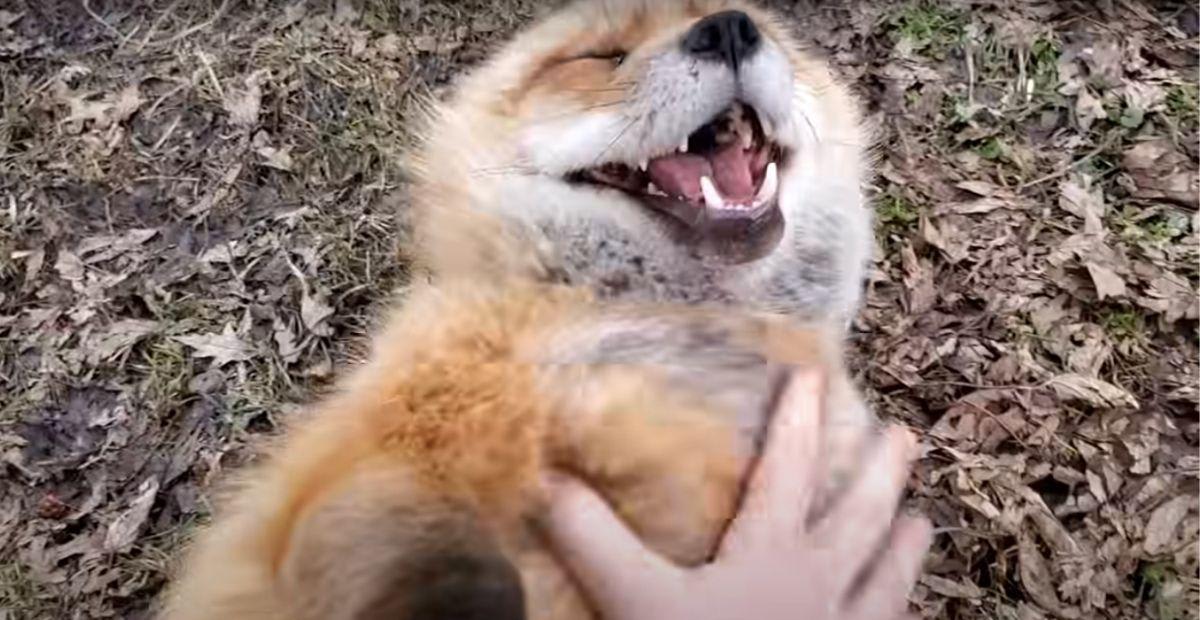
Scientists Tickle Apes, Discover 15 Million Years of Giggles
Researchers tickled gorillas, chimps, and other great apes to discover their laughter sounds remarkably like ours. The finding reveals humans and apes have been giggling in similar rhythms for 15 million years.
Scientists just confirmed what makes us smile: humans and great apes have been sharing the same kind of laughter since before we split on the evolutionary tree.
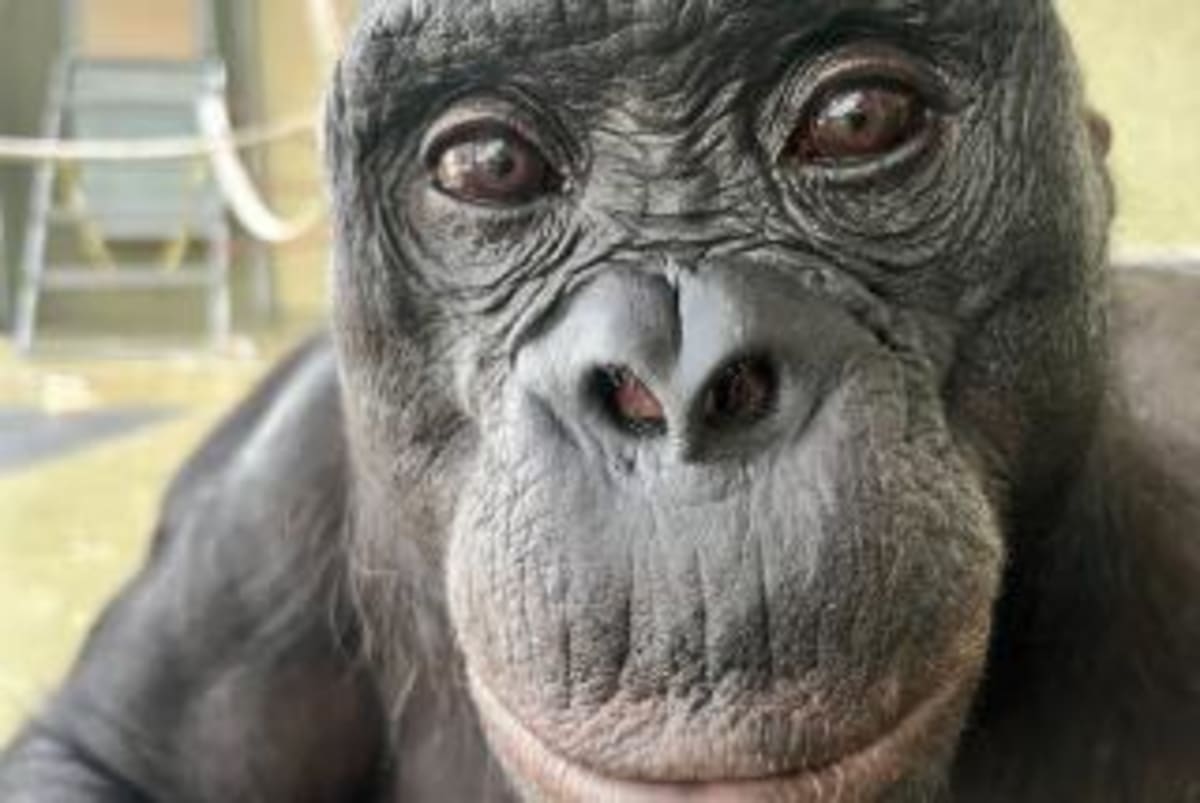
Researchers at the University of Warwick reexamined decades-old recordings of 13 captive apes being tickled, including gorillas, orangutans, chimpanzees, and bonobos. They compared those giggles with fresh recordings of four young children laughing during tickle time and play at home.
The results surprised even the scientists. Both human kids and great apes chuckle with similar rhythms and regular timing between laughs, pointing to a shared giggle gene from a common ancestor.
"In a way, we are very similar to other great apes because we've been laughing in a similar way for 15 million years," said study author Chiara De Gregorio, a primatologist leading the research. Her team's findings appeared in the journal Communications Biology.
Laughter communicates playfulness and joy without needing words. While many animals can laugh, their giggles don't follow human patterns as closely. Tickled rats, for example, respond with ultrasonic squeaks that sound nothing like our belly laughs.
Human laughter has evolved to become faster and more complex over millions of years. We've developed different laughs for different situations, from polite chuckles with coworkers to full-bodied guffaws with close friends. "We are like the masters of laughter, I would say," De Gregorio added.
The Ripple Effect
This giggly discovery does more than make us smile. Understanding how laughter evolved helps scientists trace the origins of human communication and speech itself.
Brittany Florkiewicz, an animal communication researcher at Lyon College, sees huge potential in this work. She wants to hear comparable recordings from other playful animals like dogs, horses, and cats to learn what makes us uniquely human while celebrating what we share with other creatures.
Because sounds don't fossilize, scientists must use the evidence available today to piece together our communication history. Each recorded chuckle helps them trace our evolutionary story backward through time, one giggle at a time.
The research reminds us that joy and playfulness aren't just human traits but ancient gifts we've carried for millions of years.
More Images


Based on reporting by Google News - Researchers Find
This story was written by BrightWire based on verified news reports.
Spread the positivity!
Share this good news with someone who needs it