Scientists Transplant Cells Between Ancient Sea Creatures
Researchers successfully transplanted organizing cells between two different sea creatures, recreating a famous 1920s experiment that helped reveal how the first animals evolved from single-celled organisms. The discovery shows these "construction foreman" cells appeared at the very beginning of animal life on Earth. ##
Scientists just pulled off an experiment that reaches back to the dawn of animal life itself, and it's changing what we know about how complex creatures first emerged.
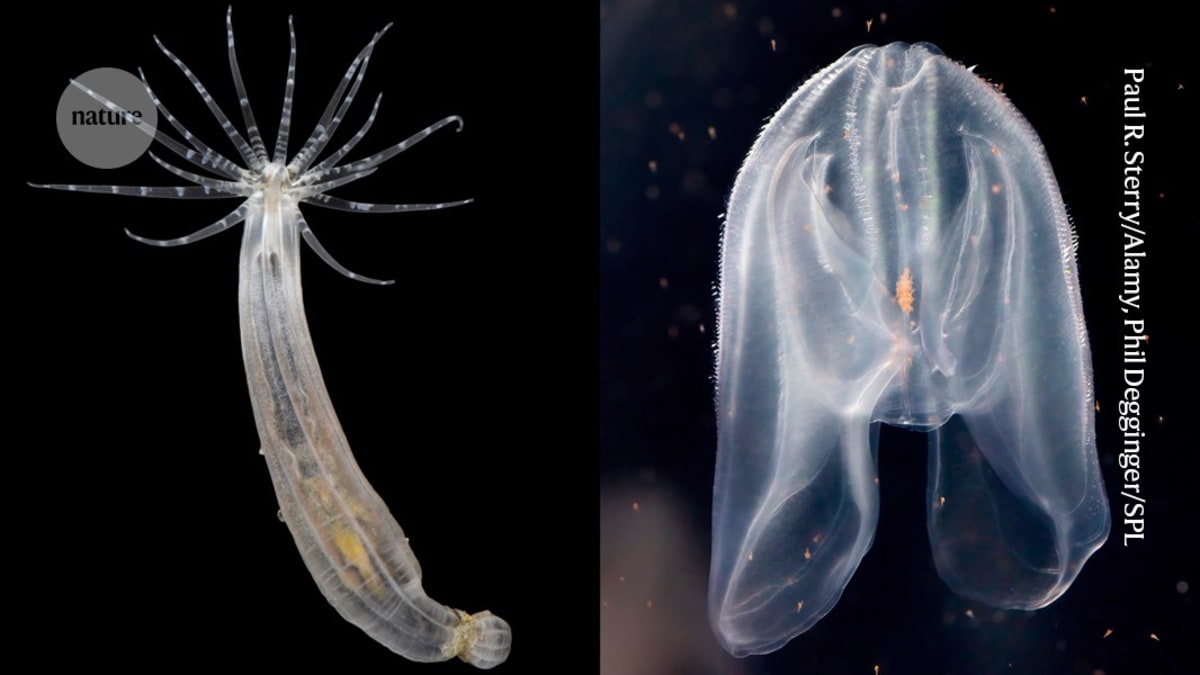
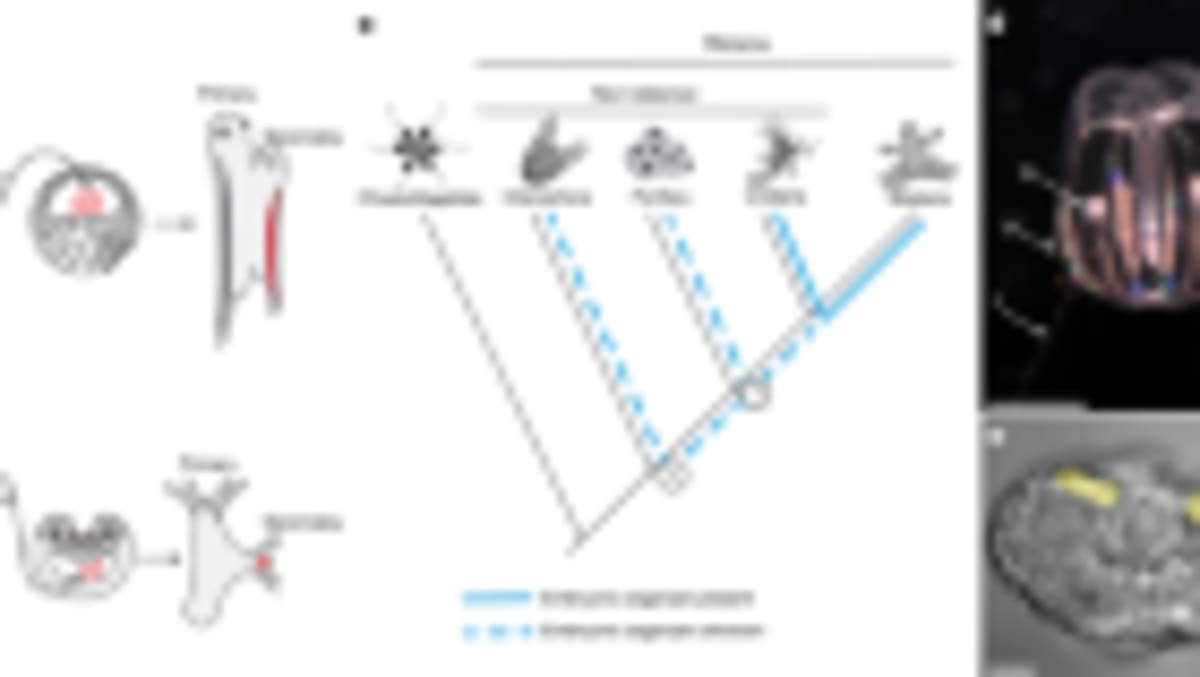
Researchers at Friedrich Schiller University Jena in Germany transplanted cells between two ancient marine animals from completely different branches of the animal family tree: comb jellies and sea anemones. The transplanted cells successfully triggered the growth of extra mouths and pharynxes in the host embryos, proving that nature's original construction plan is older than anyone thought.
The team was following in historic footsteps. Back in the 1920s, PhD student Hilde Mangold moved cells between newt embryos and discovered something revolutionary: certain cells act like foremen on a construction site, telling other cells what to build. Her discovery created an entirely new field of developmental biology.
For decades, scientists wondered when these "organizer cells" first appeared in evolutionary history. Now we know: they were there at the very beginning, helping single-celled organisms transform into the first animals.
Developmental biologist Stanislav Kremnyov made the breakthrough while working with comb jellies, which many scientists believe belong to the earliest branch of the animal family tree. These transparent creatures lay eggs daily in his lab's collection of unusual invertebrates. When Kremnyov observed structures called blastopores forming in the embryos, he knew exactly what to try.
He carefully transplanted these organizing cells into sea anemone embryos, which belong to a different phylum that evolved later. The transplanted cells worked perfectly, orchestrating the development of new body parts from the host's own tissues.
Why This Inspires
This discovery does more than solve an evolutionary puzzle. It reveals that nature figured out one of its most important innovations right at the start: a system for building complex bodies from simple beginnings.
The organizer cells release special signaling molecules called morphogens that direct embryonic development across hundreds of millions of years of evolution. This ancient biological software is still running in every developing animal today, from jellyfish to humans.
Evolutionary developmental biologist Ulrich Technau at the University of Vienna called the findings exciting, though some scientists want to see more evidence before fully accepting the claims.
Until this study, researchers had only found organizer cells in vertebrates and sea anemones. Now we know they existed in the earliest animals, suggesting they played a crucial role in one of life's biggest transitions.
The work honors Hilde Mangold's legacy in an unexpected way: her discovery continues inspiring new questions a century later, helping us understand not just how animals develop, but how animal life itself began.
##
More Images
Based on reporting by Nature News
This story was written by BrightWire based on verified news reports.
Spread the positivity!
Share this good news with someone who needs it