Singapore Plans 100,000-Ton Green Jet Fuel Plant
Singapore is building Asia's largest sustainable aviation fuel plant that will produce 100,000 tons of eco-friendly jet fuel annually. The facility uses breakthrough technology that turns waste into fuel ready to power planes without any blending required.
A new plant on Singapore's Jurong Island could help solve one of climate change's toughest puzzles: how to make air travel sustainable.
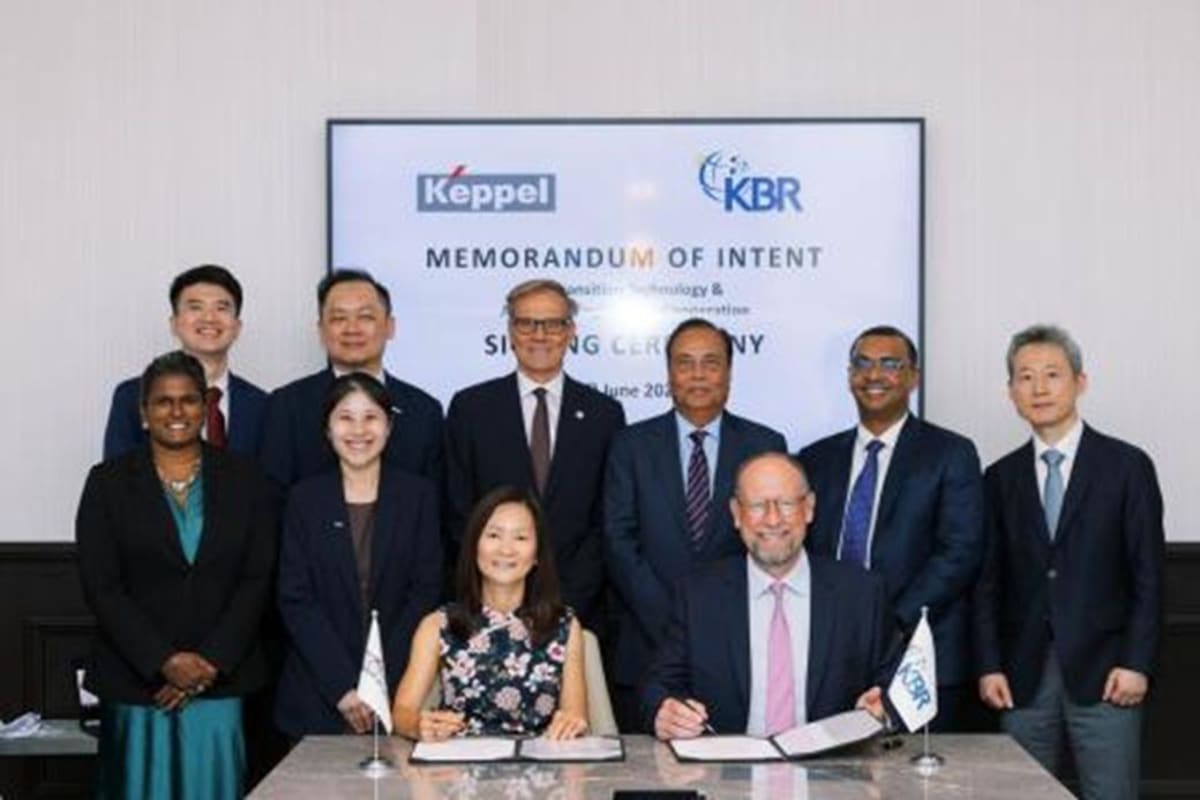
Texas-based engineering giant KBR has partnered with Singapore's Keppel and Aster Chemicals to design a facility that will produce up to 100,000 tons of sustainable aviation fuel (SAF) every year. That's enough clean fuel to power thousands of flights across Asia without releasing new carbon into the atmosphere.
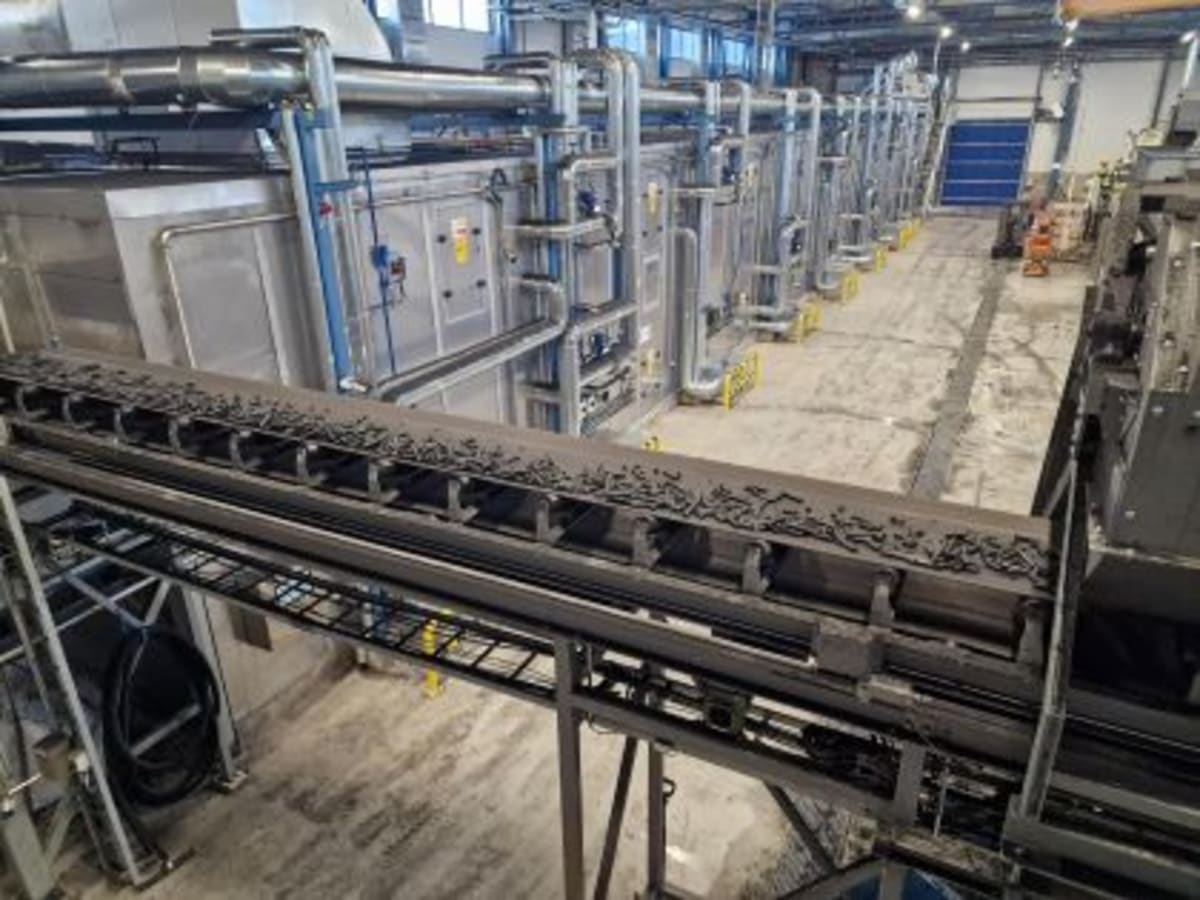
The project uses PureSAF technology, originally developed in Sweden and scaled up by KBR for commercial production. Unlike other green fuels that must be mixed with traditional jet fuel, PureSAF creates a 100% drop-in replacement that works in existing aircraft engines without any modifications.
The technology's secret weapon is flexibility. It can transform different types of waste and renewable materials into jet fuel, adapting to whatever feedstocks are available locally instead of relying on a single source.
Singapore has ambitious plans to become Asia's leading sustainable aviation fuel hub. The country sits at the crossroads of major flight routes, making it an ideal location to supply airlines transitioning away from fossil fuels.
The Ripple Effect
This facility represents more than just one plant in one country. Aviation accounts for roughly 2-3% of global carbon emissions, and that number is climbing as more people fly.
Finding cost-effective ways to decarbonize air travel has stumped engineers for years. Batteries are too heavy for long flights, and hydrogen requires completely redesigned aircraft. Sustainable fuel offers the rare advantage of working with today's planes while dramatically cutting emissions.
KBR and Keppel have also signed an agreement to collaborate on even broader decarbonization efforts. Their partnership will explore waste-to-energy systems, plastic recycling, biofuels, and AI-powered solutions to make industrial processes cleaner.
The Jurong Island project is pending final investment approval and regulatory sign-offs, with construction timelines yet to be announced. If approved, Singapore will join a small but growing network of facilities proving that green aviation fuel can work at commercial scale.
Cleaner skies might be closer than we think.
Based on reporting by Google News - Singapore Technology
This story was written by BrightWire based on verified news reports.
Spread the positivity!
Share this good news with someone who needs it