Singapore Students Design Hope for Shrinking Japanese Towns
Architecture students are reimagining declining communities not as problems to fix, but as opportunities to build more sustainable, human-centered futures. Their innovative designs span from rural Japan to Manila's cemeteries, proving good design can transform overlooked spaces into thriving communities.
When a town starts shrinking, most people see failure. A team of Singapore architecture students saw a blueprint for something better.
Graduate students at Singapore University of Technology and Design are tackling some of the world's toughest urban challenges with fresh eyes and compassionate solutions. Their thesis projects span continents, but share one mission: designing spaces that put people and planet first.
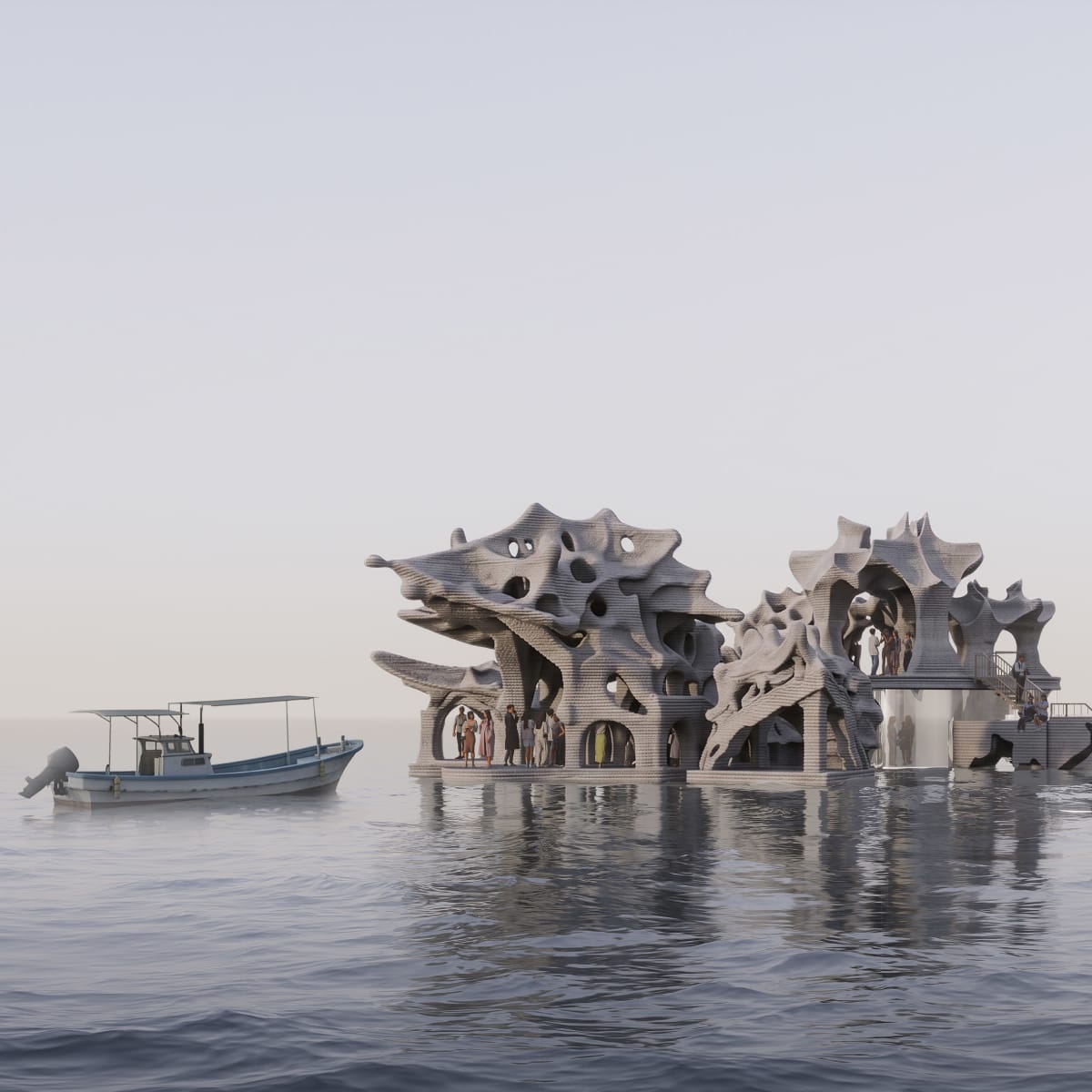
Jonathan Leong's project focuses on Japan's Shinetsu region, where small towns are disappearing faster than they can rebuild. Instead of fighting the decline, his "Diet Towns" concept embraces it by transforming abandoned buildings into resources and returning land to nature. The approach creates a new model where smaller can mean stronger, turning demographic shifts into opportunities for ecological restoration.
In Manila, Aceson Han looked at an unusual community living in North Cemetery, one of the city's last green spaces. Families who work as caretakers and builders have created their own support systems within the cemetery grounds. Han's design strengthens these existing networks of care and labor rather than displacing them, proving that informal communities already hold solutions worth building on.
Paraaga Raghavendra turned attention to Indian women systematically excluded from public life. The thesis reimagines how homes, workplaces, and streets can connect to give women safer access to work and community. By rethinking thresholds and shared spaces, the design creates pathways to autonomy where walls once stood.
The Ripple Effect
These aren't just academic exercises. The projects model a fundamental shift in how we approach struggling communities worldwide.
Traditional urban planning often treats decline, informality, and demographic change as problems requiring demolition or displacement. These students flip that script, seeing existing communities as experts in their own lives and decline as a chance to build differently.
Their work arrives as cities everywhere face similar pressures: aging populations, climate threats, housing inequality, and environmental collapse. The approaches they're developing in Singapore classrooms could reshape how we design our shared future.
Master's programs like this one prove the next generation of architects is learning to listen before they build. They're being trained to see complexity as opportunity and to design with communities rather than for them.
The best news? These students are just getting started, and the world's toughest challenges are getting their brightest attention.
More Images




Based on reporting by Google News - Singapore Technology
This story was written by BrightWire based on verified news reports.
Spread the positivity!
Share this good news with someone who needs it