Singapore Tests Energy Tech That Could Power AI Better
A Singapore data center is testing breakthrough power technology that could slash energy waste by 30% while packing in 50 times more AI servers. The innovation could help the land-scarce nation become an AI powerhouse while cutting carbon emissions.
Singapore just flipped the switch on a breakthrough that could solve one of AI's biggest problems: its massive appetite for power.
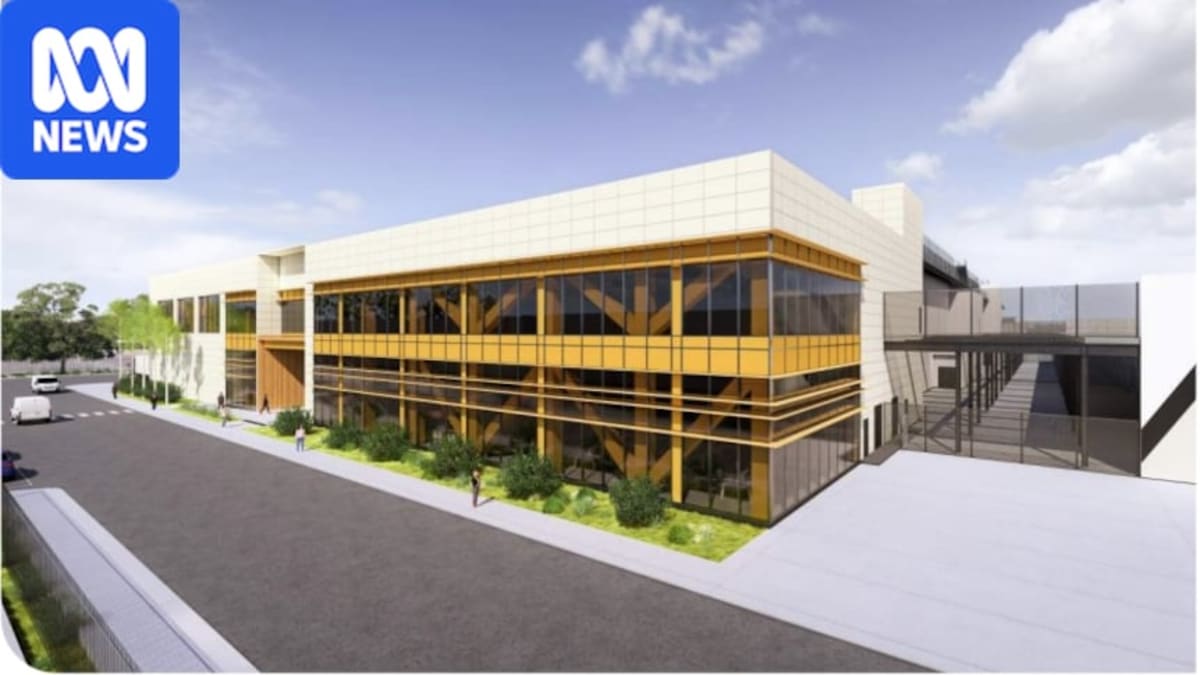
ST Telemedia Global Data Centres launched Southeast Asia's first high-voltage direct current (HVDC) testbed on Jurong Island. The technology promises to revolutionize how data centers power the energy-hungry AI servers that run everything from chatbots to medical diagnostics.
Here's why it matters. Traditional data centers lose precious energy converting alternating current from the power grid into direct current for computers. They also need bulky transformers that eat up valuable space.
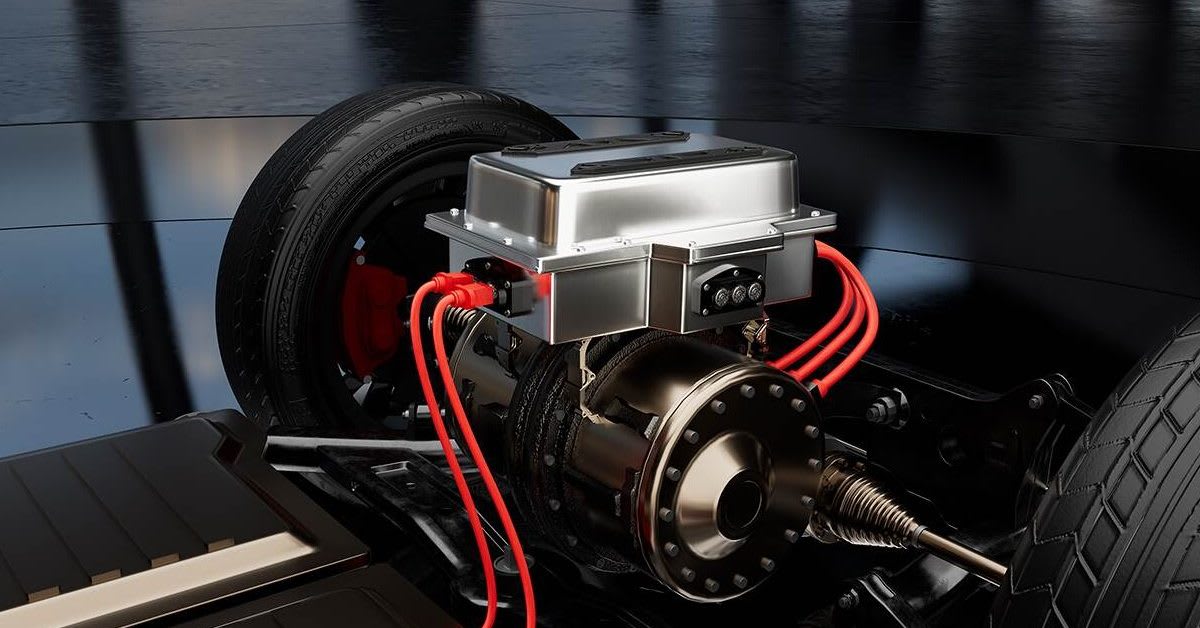
HVDC skips most of that conversion. Electricity flows directly to servers with far less waste and far smaller equipment.
The numbers tell an inspiring story. STT GDC expects energy savings up to 30% compared to existing systems. A single server rack can now handle 1 megawatt of power, that's 50 times more than typical setups today.
The environmental wins are equally impressive. The technology could prevent 400 tonnes of carbon emissions per megawatt annually. It uses 45% less copper and takes up 30 to 40% less floor space.
For Singapore, where nearly all energy is imported and every square meter counts, this breakthrough opens new doors. The government already earmarked 20 hectares of Jurong Island for green data centers last year, signaling its commitment to sustainable AI infrastructure.
STT GDC is running Nvidia's powerful H100 AI servers on the new system, partnering with Taiwan's Liteon Technology and local startup Amperesand. The testbed will prove the technology can handle loads of at least 325 kilowatts.
The Ripple Effect
This Singapore innovation could reshape data centers worldwide. As AI demands explode globally, efficient power delivery becomes critical for every nation trying to compete in the AI race.
The company partnered with four local universities to train over 8,000 Singaporeans in next-generation power systems over five years. That's 8,000 people learning skills for tomorrow's green economy today.
Government agencies and major tech companies are already watching the test results closely. If successful, the technology could set new standards for sustainable AI infrastructure across Asia and beyond.
The testbed also prepares Singapore for the next wave of AI, where single server racks might eventually consume 4 megawatts. Planning ahead means staying competitive while keeping environmental promises.
In a world hungry for both AI innovation and climate solutions, Singapore is proving you can have both.
More Images




Based on reporting by Google News - Singapore Technology
This story was written by BrightWire based on verified news reports.
Spread the positivity!
Share this good news with someone who needs it