Slime Mold Inspires Software That Designs Better Cities
A startup is using the natural intelligence of slime mold to help urban planners design transportation networks that are up to 30% more resilient than traditional designs. The billion-year-old organism's pathfinding abilities are proving smarter than starting from scratch.
Nature just schooled human engineers on how to build better subway systems, and the teacher is a single-celled organism that's been perfecting its craft for a billion years.
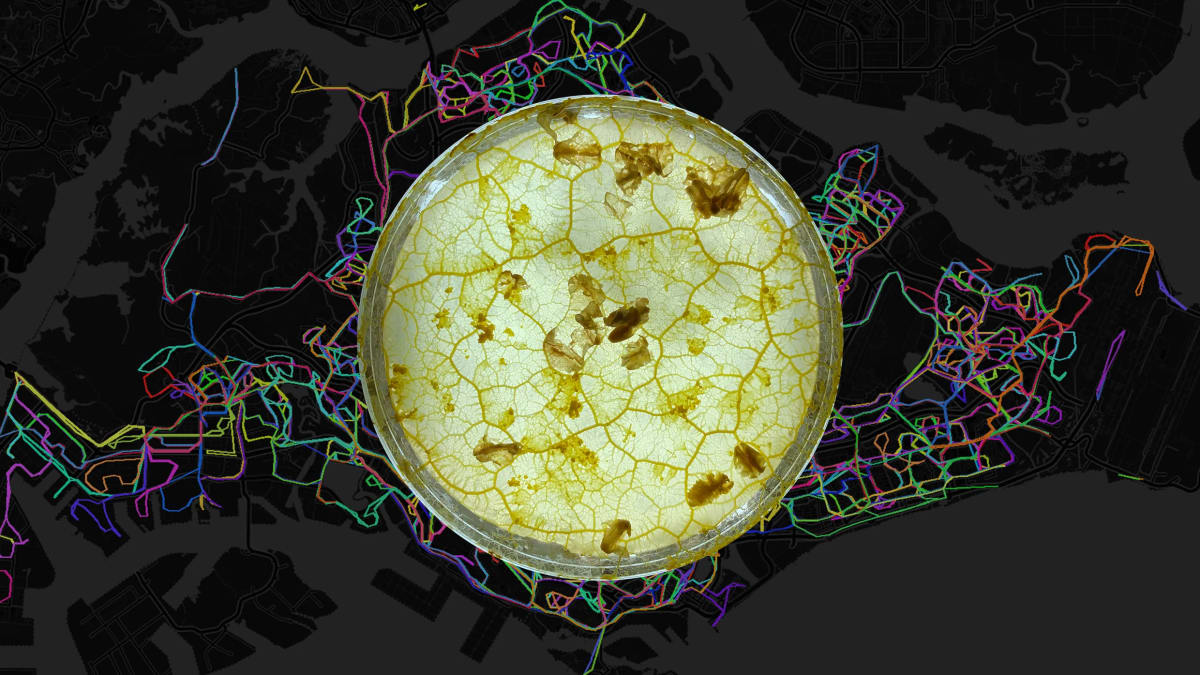
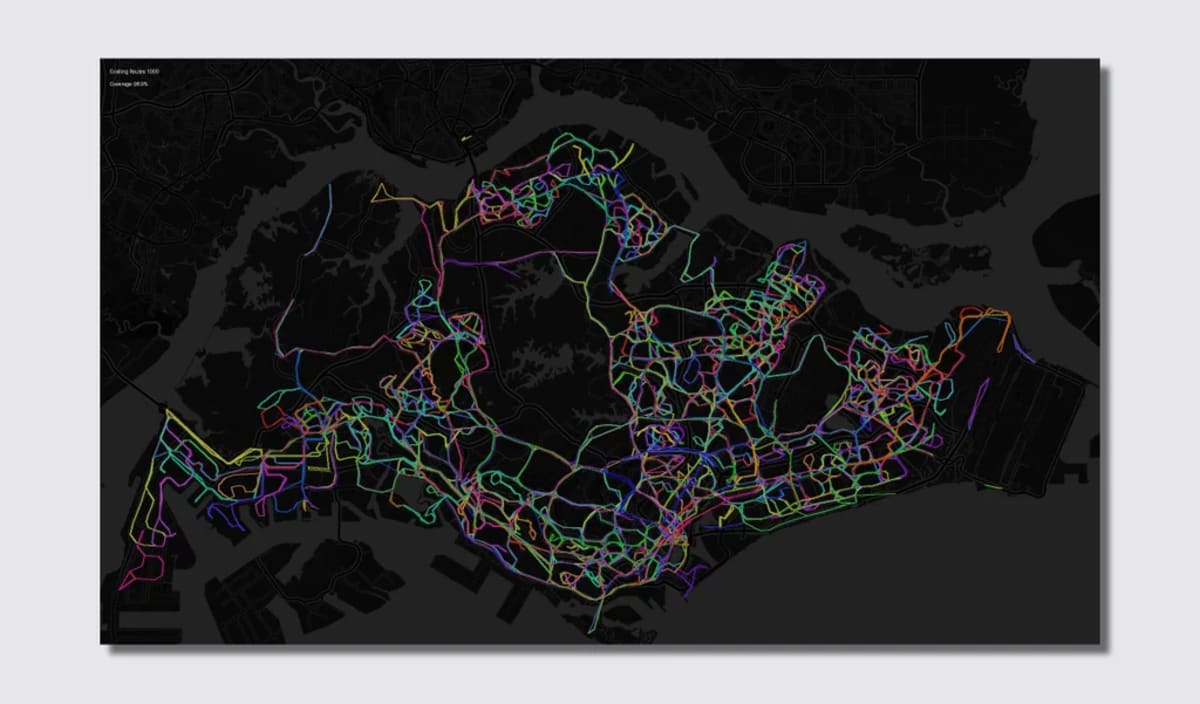
Mireta Urban Dynamics has created software that mimics how slime mold grows to help city planners design transportation networks. The results are remarkable: networks that are 20% to 30% more resilient than traditional designs for the same cost.
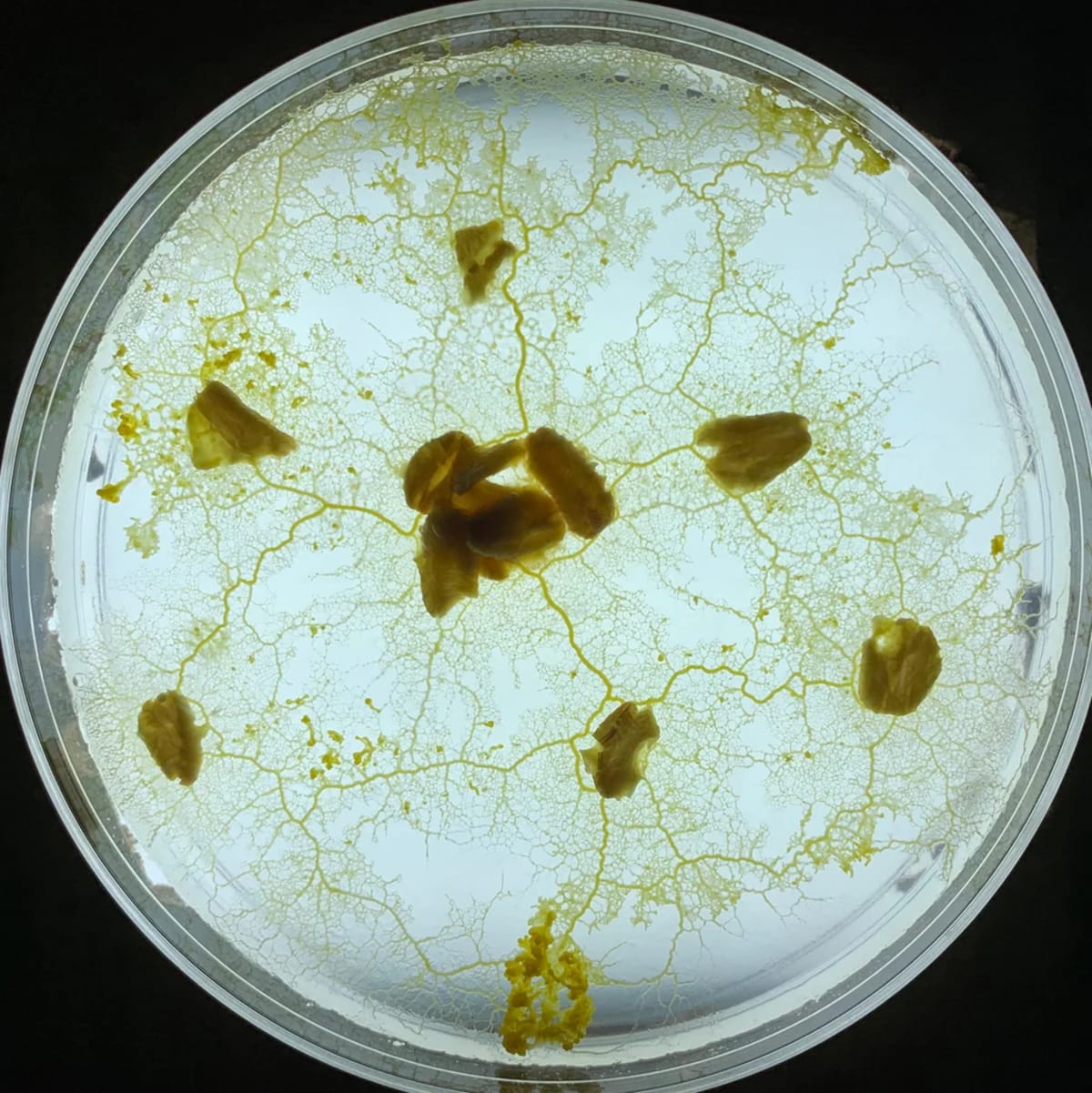
The inspiration came from a famous Japanese experiment where researchers gave slime mold a map of Tokyo made from oat flakes. Each flake represented a city. The organism naturally created a network nearly identical to Japan's actual rail system.
Cofounder Raphael Kay realized humans have only been designing transportation for thousands of years. Slime mold has been solving the same puzzle for hundreds of millions of years.
The software doesn't use AI training data. Instead, it copies the organism's natural growth patterns, which Kay considers a form of intelligence already perfected through evolution.
City planners can layer in real world details like population density and flood zones. The tool prioritizes busy areas and avoids danger zones, just like slime mold naturally navigates around obstacles to reach food.
The Ripple Effect
The software works for both brand new designs and tweaking existing networks. Mireta is already partnering with design firms on projects ranging from college campus roads to entire metro systems.
That 30% boost in resilience means something concrete for cities. When disasters strike and shut down part of a transportation network, people still have alternative routes to get where they need to go.
The startup's pilot projects are still in the proposal stage, but clients are moving forward with the designs. Universities, cities, and transit authorities are betting that nature knows best.
Kay's architecture background taught him to look beyond human solutions. Sometimes the smartest approach is trusting organisms that have been optimizing networks since before humans existed.
Slime mold doesn't know it's revolutionizing urban planning, but its ancient wisdom is about to make cities work better for millions of people.
More Images

Based on reporting by Fast Company - Innovation
This story was written by BrightWire based on verified news reports.
Spread the positivity!
Share this good news with someone who needs it