Solar Breakthrough Could Cut Costs With Silver-Free Panels
Scientists in Australia and China just cracked a major challenge in solar technology: building high-efficiency panels without expensive silver. The breakthrough could make clean energy cheaper for millions.
Researchers have developed a new type of solar panel that replaces costly silver with affordable aluminum, potentially cutting manufacturing costs without sacrificing much power.
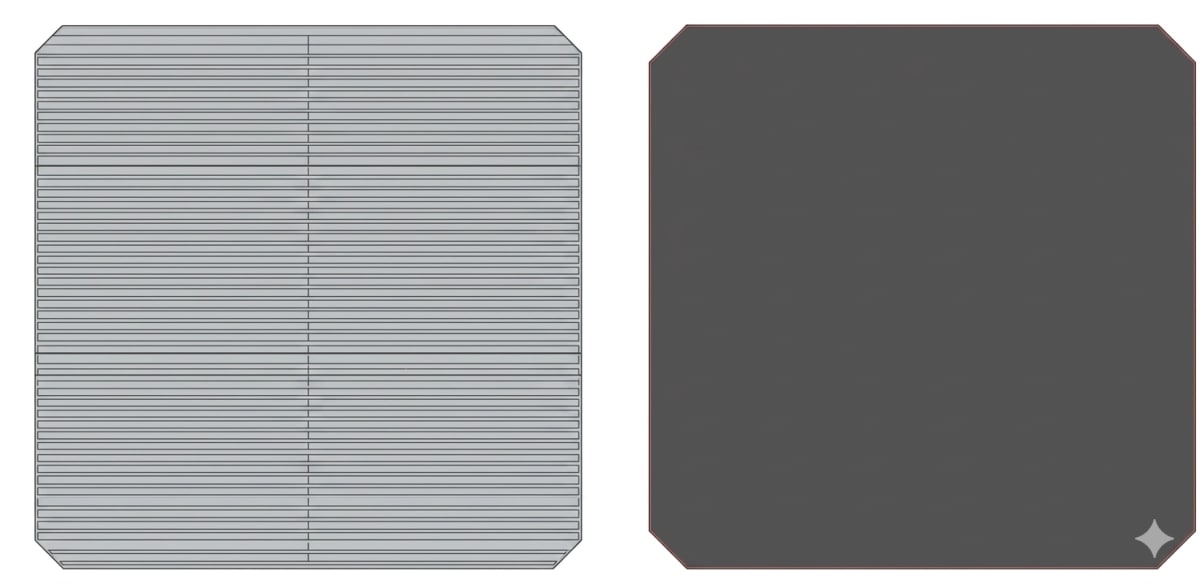
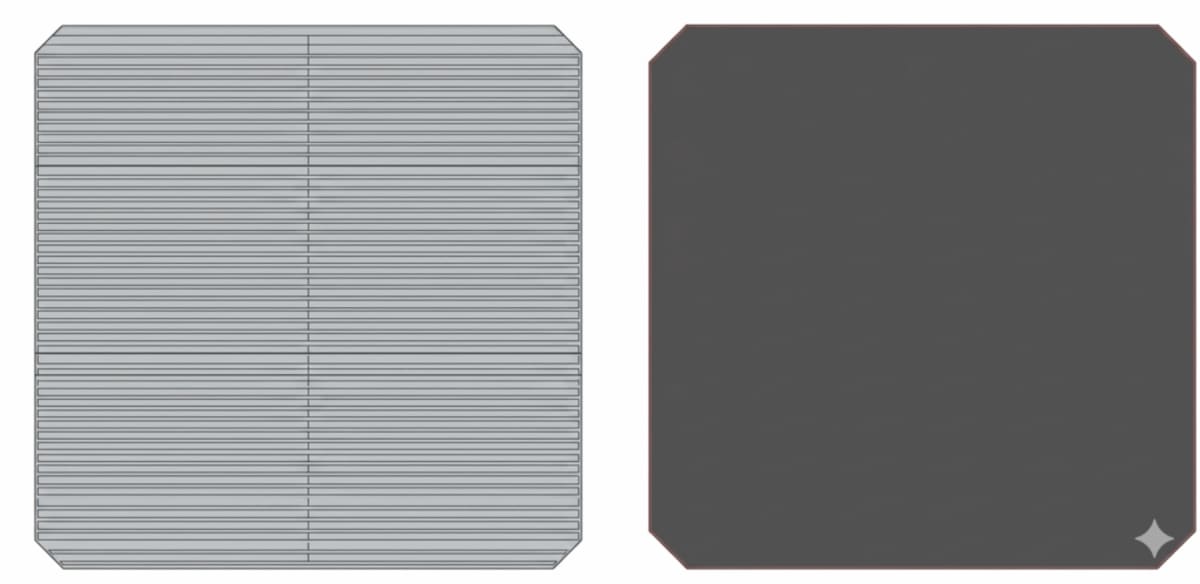
A team from the University of New South Wales and Chinese manufacturer Trina Solar created the first working solar cells using screen-printed aluminum contacts on both sides of their innovative design. Until now, silver has been essential for making the electrical connections inside high-efficiency solar panels, but it's expensive and getting harder to source as solar production explodes worldwide.
"From an industry perspective, reducing silver consumption is becoming increasingly important for large-scale photovoltaic manufacturing," said lead researcher Ning Song. "Aluminum could be a promising low-cost alternative for future high-efficiency solar cells."
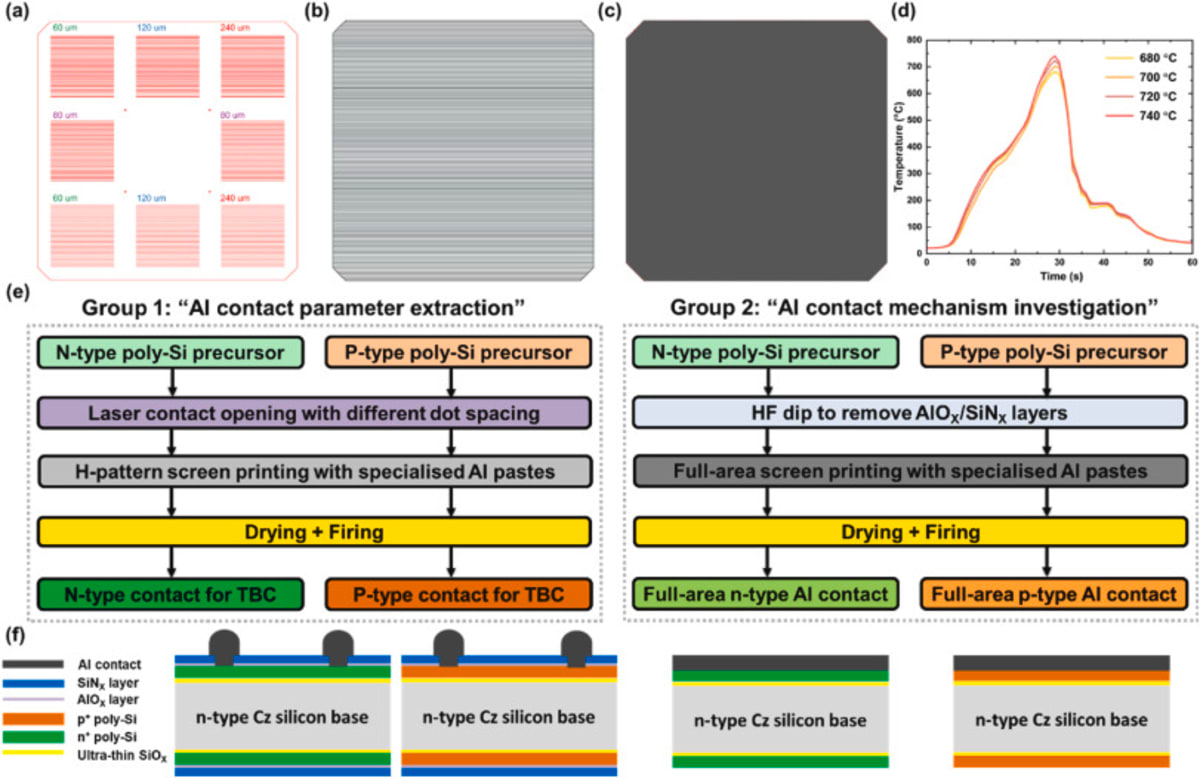
The team engineered specialized aluminum pastes and carefully controlled heating conditions to make the aluminum work just as well as silver. They used advanced laser technology to precisely create contact points without damaging the delicate layers underneath. After extensive testing with electron microscopes and other high-tech tools, they confirmed the aluminum contacts could handle the job.
The new design achieved 25.9% efficiency compared to 26.8% for traditional silver-based cells. That small difference matters less than you might think. The cost savings from ditching silver could make solar panels accessible to far more people, especially in developing countries where every dollar counts.
The breakthrough works because the researchers developed a special aluminum paste that behaves differently depending on which type of silicon it touches. This dual approach lets them optimize both the positive and negative contacts separately, something previous attempts couldn't achieve.
The Ripple Effect
This innovation arrives at a perfect moment. Solar installation is growing faster than ever, and silver supplies can't keep pace forever. By switching to aluminum, one of the most abundant metals on Earth, manufacturers could scale up production without hitting resource limits.
The cost reduction could accelerate the global shift away from fossil fuels. Cheaper solar panels mean more homes, schools, and businesses can afford clean energy. In regions where electricity access remains limited, affordable solar could leapfrog traditional power grids entirely.
The researchers aren't stopping here. They're already working on improved paste formulas and protective barrier layers to close that remaining efficiency gap. If they succeed, aluminum-based solar cells could become the new industry standard within a few years.
Making clean energy cheaper helps everyone breathe easier.
More Images


Based on reporting by PV Magazine
This story was written by BrightWire based on verified news reports.
Spread the positivity!
Share this good news with someone who needs it