Solar Power Saves Europe's Grid During Record Heat
When record-breaking heat waves struck Europe this summer, solar panels delivered 17% more power than usual while nuclear plants and wind farms struggled. The continent's energy crisis just revealed a bright solution for our warming world.
When scorching heat waves cooked Europe this summer, delivering the hottest June on record, one energy source kept the lights on while others faltered.
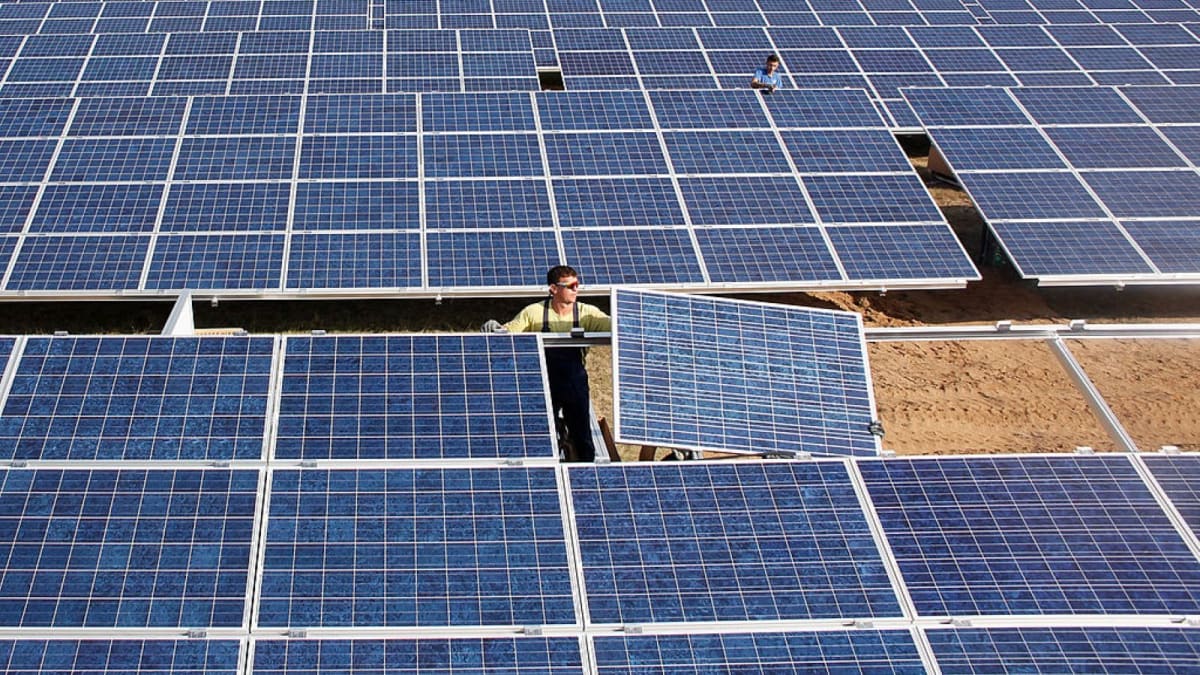
Solar panels across Europe produced 17% more power during the heat waves than they normally do, according to energy think tank Ember. The timing couldn't have been better as demand for air conditioning surged and other power sources stumbled.
Nuclear plants, gas facilities, and wind farms all hit major roadblocks. In the UK, five gas plants slashed their combined output by 2.5 gigawatts because heat reduced their cooling systems' effectiveness. Wind speeds dropped so low that wind farm generation fell by half in June.
France lost 18% of its nuclear capacity in mid-July as drought-stricken rivers couldn't provide enough cooling water. French law caps how warm discharged water can be to protect river life, forcing plants to power down when intake water already runs too hot.
Meanwhile, European rivers shrank to record lows. England and Wales recorded their driest July ever, and the Danube dropped so low it exposed World War II shipwrecks.
But solar thrived under the same conditions that crippled other sources. Heat waves bring exactly what solar panels love: clear, sunny skies. The extra power stabilized the grid just as afternoon cooling demand climbed.
Battery systems emerged as the unsung hero, storing solar energy to deliver into evening hours when temperatures stayed high and families needed relief to sleep. "This is why battery storage is becoming such an important part of the energy transition," said Walburga Hemetsberger, CEO of SolarPower Europe.
The Bright Side
Europe's cooling challenge is just beginning. Only 23% of European households currently have air conditioning, compared to 90% in the United States. As summers grow hotter, that number will climb.
The continent is already preparing. Solar installations jumped 48% in 2025 compared to the previous year, with 36 gigawatt-hours of new capacity. Battery installations just completed their 12th consecutive year of growth.
France's state utility is investing over $10 billion to adapt its nuclear and hydropower plants to warmer conditions. The country's Green Party even reversed its long opposition to air conditioning this June, acknowledging the health necessity.
Energy analyst Beatrice Petrovich sees opportunity in the crisis. "Extreme price spikes during heat waves are a blaring signal for regulatory changes that increase power system flexibility," she said.
This summer proved that when the heat is on, solar delivers.
More Images


Based on reporting by Grist
This story was written by BrightWire based on verified news reports.
Spread the positivity!
Share this good news with someone who needs it