Space Elevator Breakthrough: Graphene Could Replace Rockets
Scientists have identified a material strong enough to build a 66,000-mile cable to space, potentially replacing polluting rocket launches with clean, daily trips beyond Earth's atmosphere.
A cable stretching from Earth to space might sound like science fiction, but researchers say they've finally found the material to make it real.
The International Space Elevator Consortium will announce next month that polycrystalline graphene, a super-strong material already used in electronics, could serve as the tether for humanity's first space elevator. The breakthrough solves the biggest obstacle that has stumped engineers for decades.
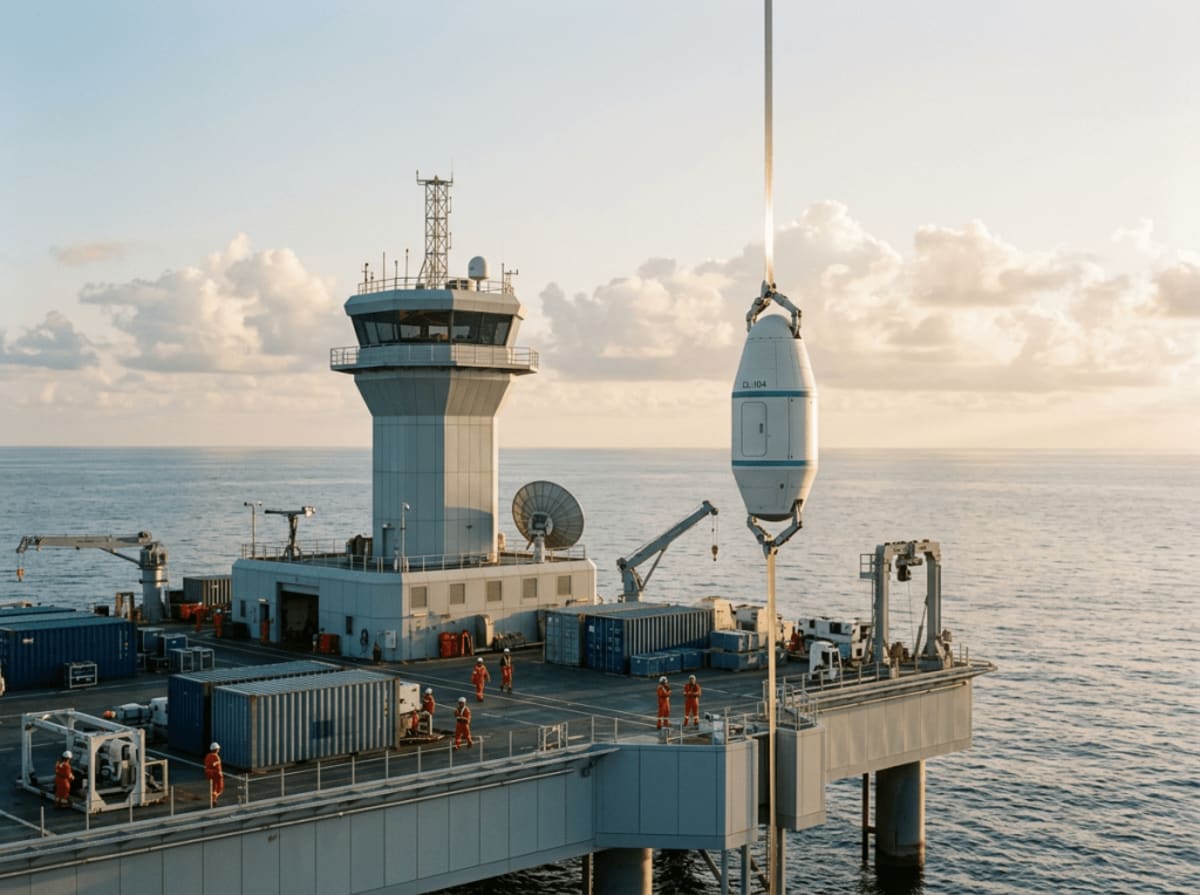
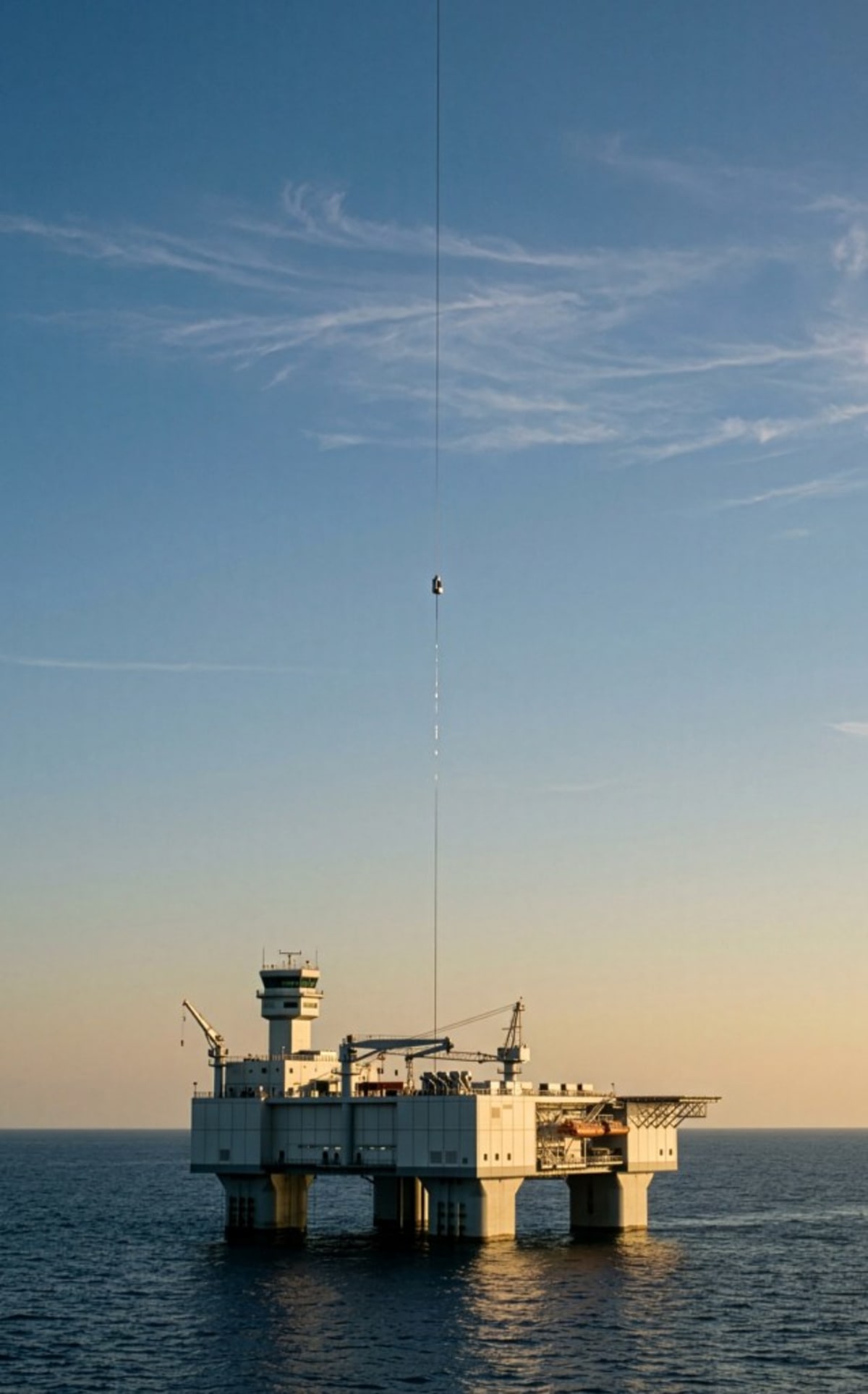
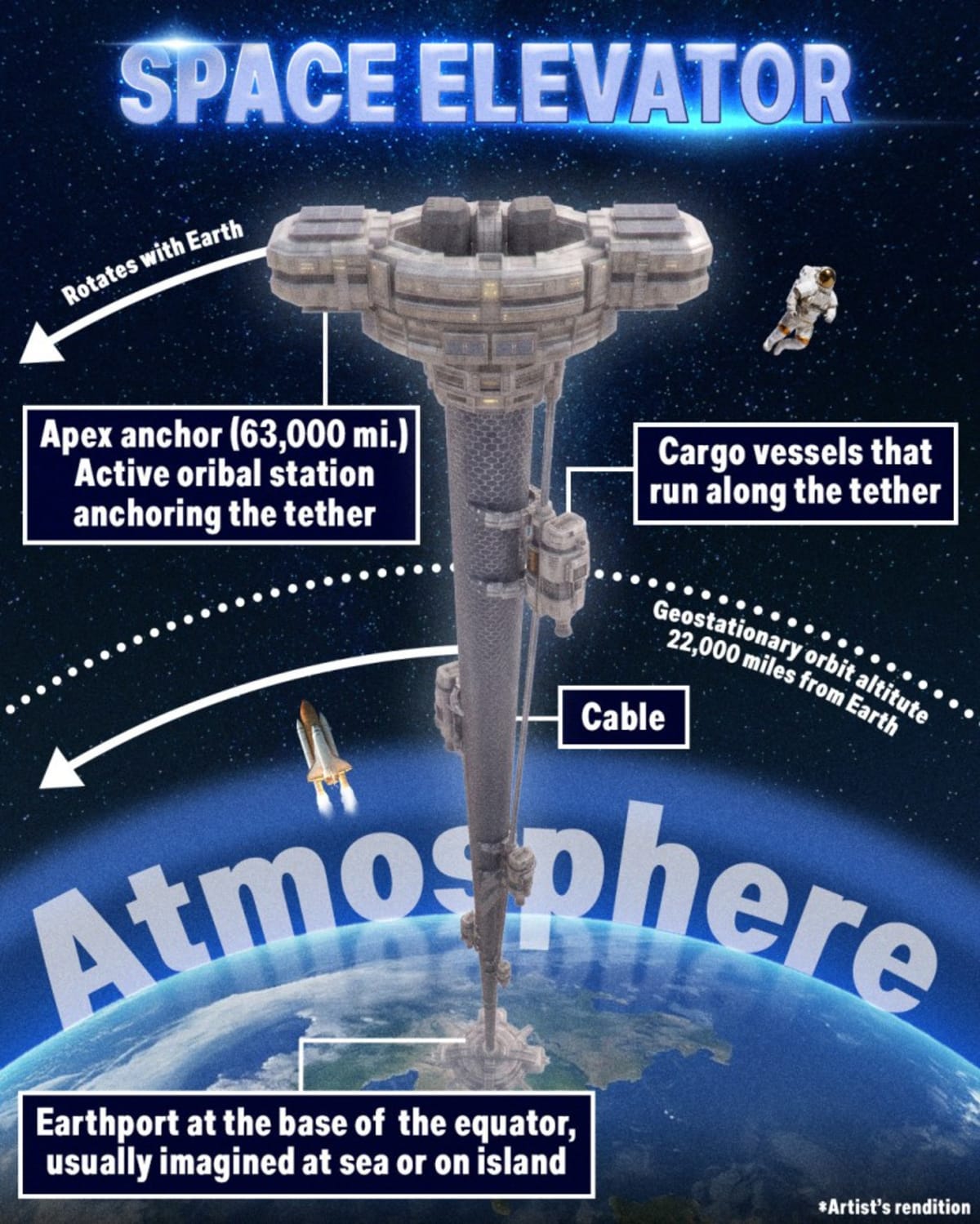
"We're really pushing for permanent infrastructure, like a bridge replacing ferries to cross a river," Pete Swan, the consortium's president, told The Post. The concept is surprisingly simple: an electrified cable anchored at Earth's equator extends beyond geostationary orbit, held taut by a counterweight floating in space.
Vessels would climb the cable to deliver cargo, people, and equipment without burning rocket fuel. "The beauty is that raising it with electricity saves our atmosphere from pollution, it doesn't leave any debris along the way, and it will be routine, daily, inexpensive, safe," Swan said.
The engineering has always checked out, according to researchers. The challenge was finding a material 100 times stronger than steel, lightweight enough to be practical, and scalable enough to produce in massive quantities.
Polycrystalline graphene fits the bill. Made from ordinary pencil lead atoms arranged in an unbroken crystal structure, the material is so strong that a single layer can stop a bullet from a .38 pistol. It's already being used in bulletproof vests.
Each tether would be one atom thick, one meter wide, and 62,000 miles long, stacked 20,000 sheets deep. The cable would be nearly invisible from the ground, occasionally catching sunlight like a thin mirror slicing down from the heavens.
British science fiction writer Arthur C. Clarke popularized the idea in his 1979 novel "The Fountains of Paradise," where he called them "orbital towers." Clarke famously said a space elevator would be built "about fifty years after everybody stops laughing."
The Ripple Effect
Clean, affordable access to space could transform life on Earth. Instead of expensive, polluting rocket launches that cost millions per trip, a space elevator would provide daily, routine access to orbit using only electricity.
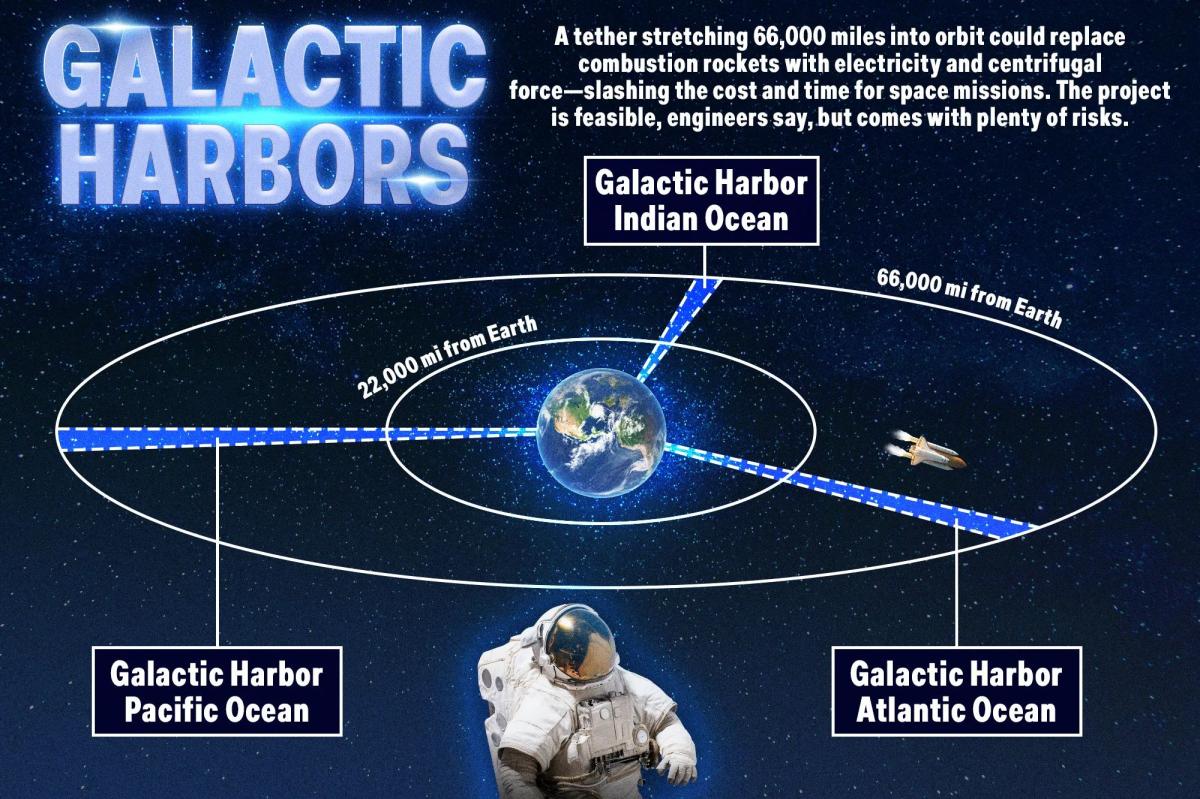
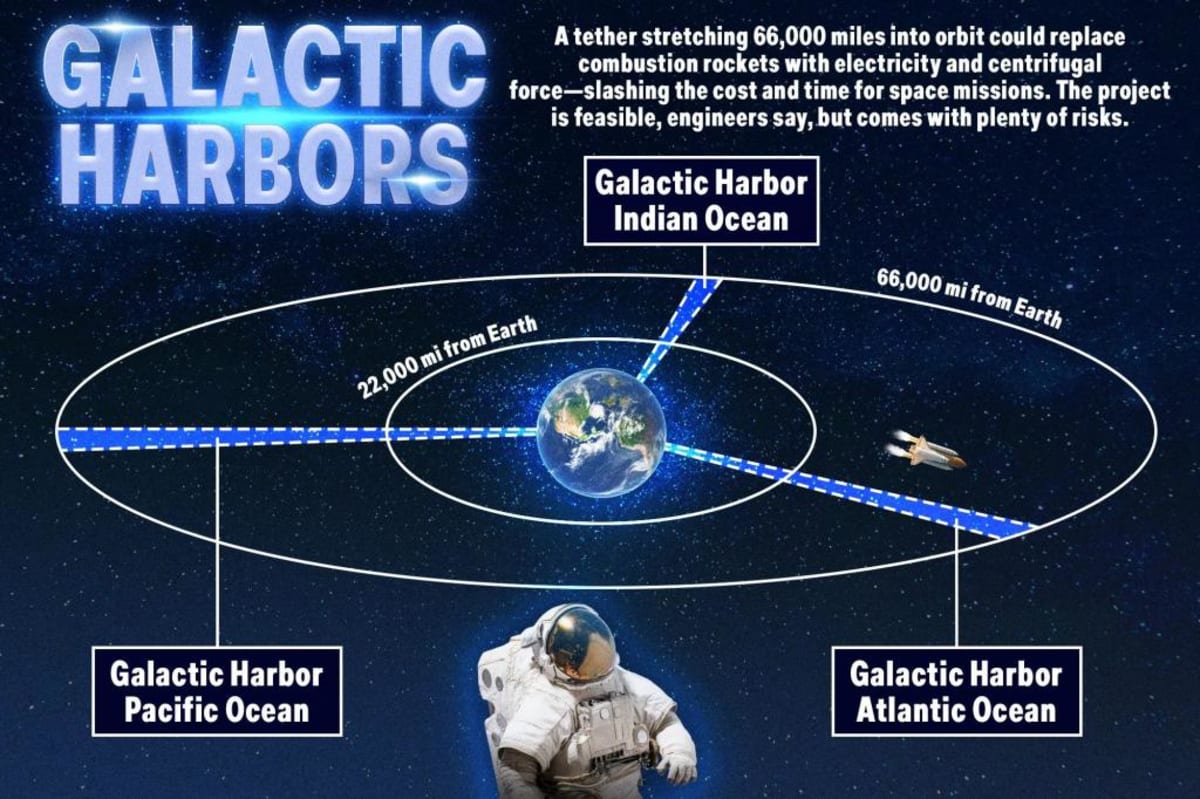
Scientists envision space elevators positioned in three oceans around the equator, providing steady traffic to space stations, lunar bases, and eventually Mars. Manufacturing could move off-planet, easing environmental strain on Earth while opening entirely new industries.
Swan reminds skeptics that the New York Times once mocked the idea of rockets reaching the moon, only to apologize after the 1969 moon landing. Technology doesn't advance in a straight line—it jumps forward in leaps when someone makes a breakthrough discovery.
That discovery appears to have arrived.
More Images
Based on reporting by Google News - Science
This story was written by BrightWire based on verified news reports.
Spread the positivity!
Share this good news with someone who needs it