Space Shuttle Atlantis' Final Photobomb, 15 Years Ago
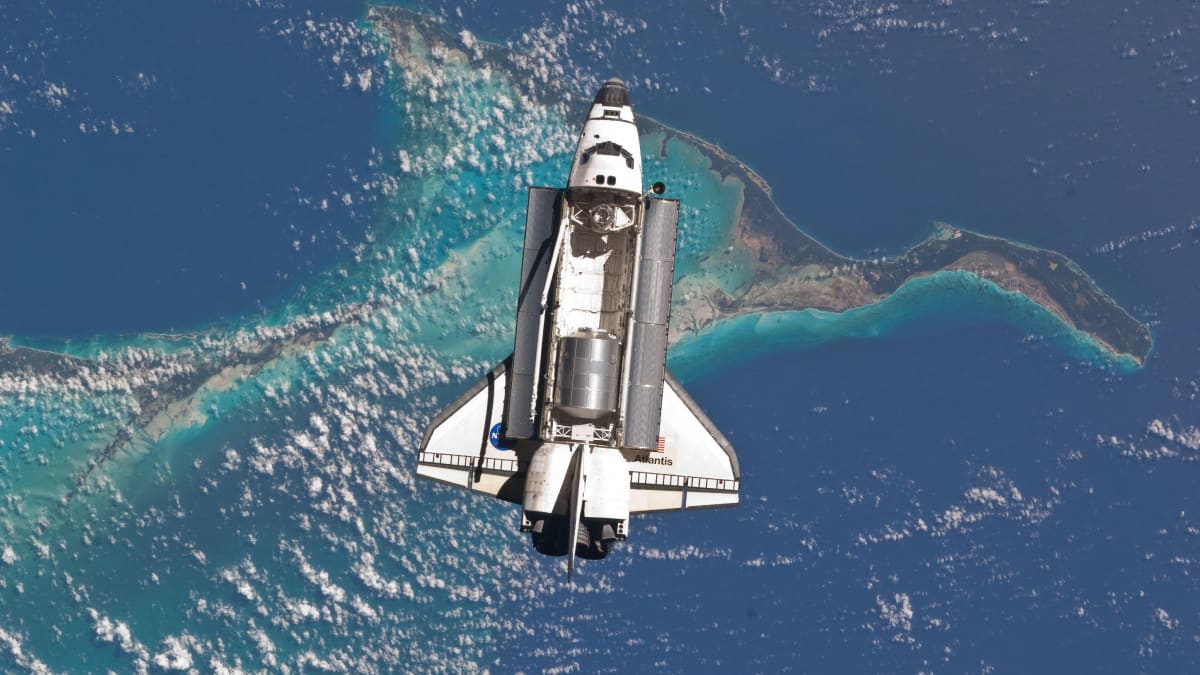
Fifteen years ago this week, NASA's space shuttle Atlantis approached the International Space Station for the very last time, creating one final stunning view over the turquoise waters of the Bahamas. It marked the end of an extraordinary 30-year chapter in human spaceflight.
On July 10, 2011, an astronaut aboard the International Space Station captured a view that would never happen again: a space shuttle silhouetted against Earth. The photo shows Atlantis gliding over the Bahamas, its cargo bay doors wide open, preparing to dock with the ISS for the final time in shuttle program history.
The iconic winged spacecraft was making its 33rd and last mission. Atlantis had launched two days earlier from Florida's Kennedy Space Center, strapped vertically to a massive fuel tank and rocket boosters, just as it had done dozens of times before.
The open cargo bay doors weren't just for show. They exposed the shuttle's radiators to prevent overheating in space and revealed the docking mechanism that would create a pressurized seal with the ISS, allowing astronauts to move safely between the two spacecraft.
NASA's Space Shuttle Program ran from 1981 to 2011, with five spacecraft completing 135 missions together. Columbia, Challenger, Discovery, Atlantis, and Endeavour collectively spent more than 32,000 hours in space, orbiting Earth nearly 5,000 times and traveling 126 million miles.
The shuttles built much of the International Space Station piece by piece. They also serviced the Hubble Space Telescope, visited Russia's Mir space station, and deployed probes to Venus and Jupiter.
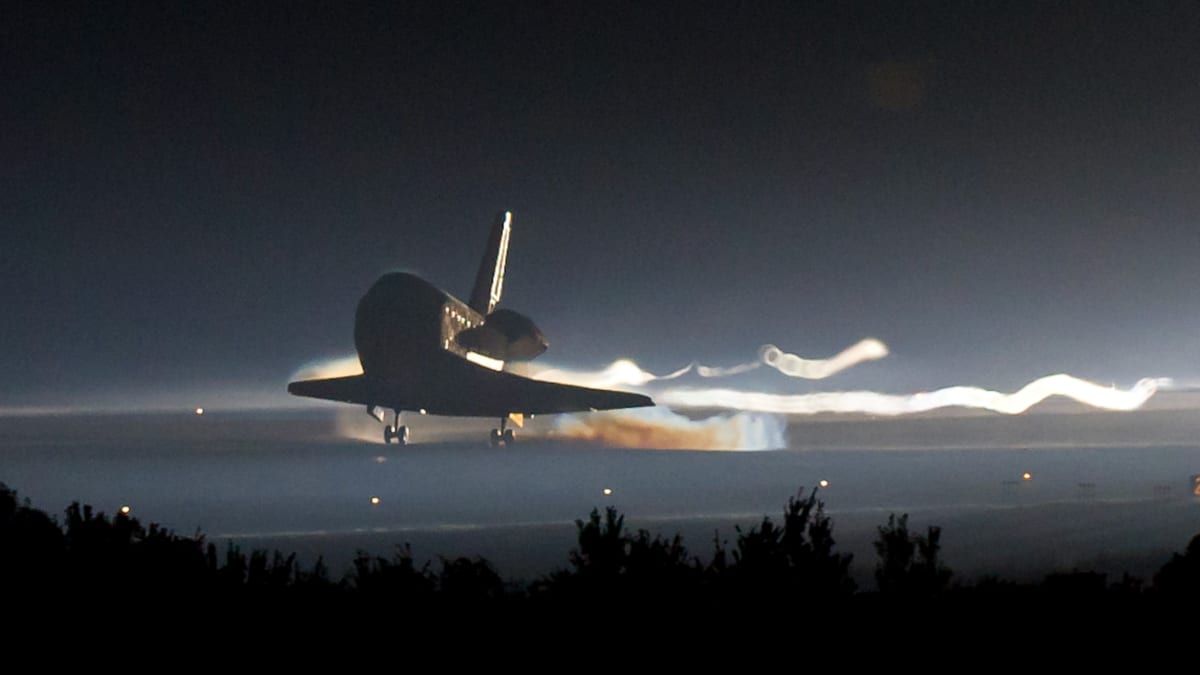
Eleven days after this photo was taken, Atlantis glided back to Earth, landing at Kennedy Space Center on July 21, 2011. The landing marked the final moment of the shuttle era, closing a program that had defined American spaceflight for three decades.
Why This Inspires
Astronaut photos of the shuttles resonated deeply with people because they showed "punctuated snapshots of distinct places on Earth" framed by human eyes, as NASA described them in 2011. These weren't just spacecraft—they were technological marvels piloted by real people, capturing real moments.
The shuttle program achieved remarkable feats despite facing two heartbreaking tragedies with Challenger in 1986 and Columbia in 2003. NASA eventually retired the program due to high maintenance costs and reduced need after the ISS was completed, but the shuttles' legacy lives on.
To this day, these five spacecraft remain the only winged vehicles to carry humans into space. Atlantis now rests at the Kennedy Space Center Visitor Complex, where new generations can marvel at the machine that once photobombed Earth.
More Images

Based on reporting by Live Science
This story was written by BrightWire based on verified news reports.
Spread the positivity!
Share this good news with someone who needs it