Space Station Gets 2-Year Extension to Avoid China Gap
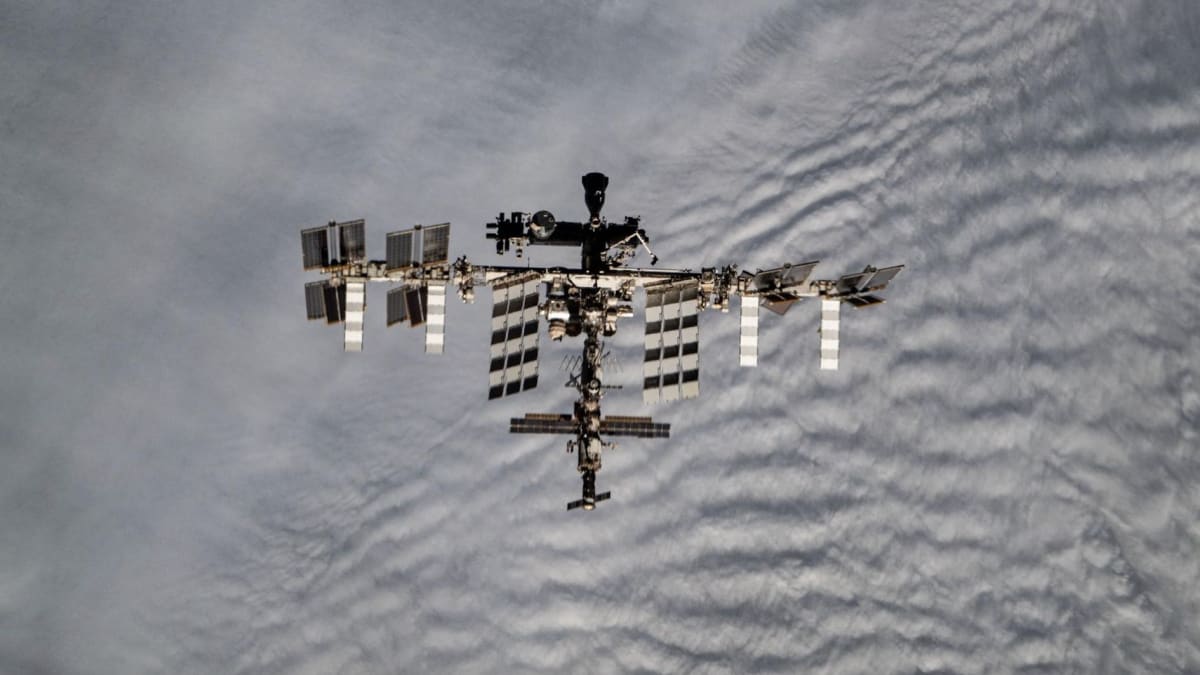
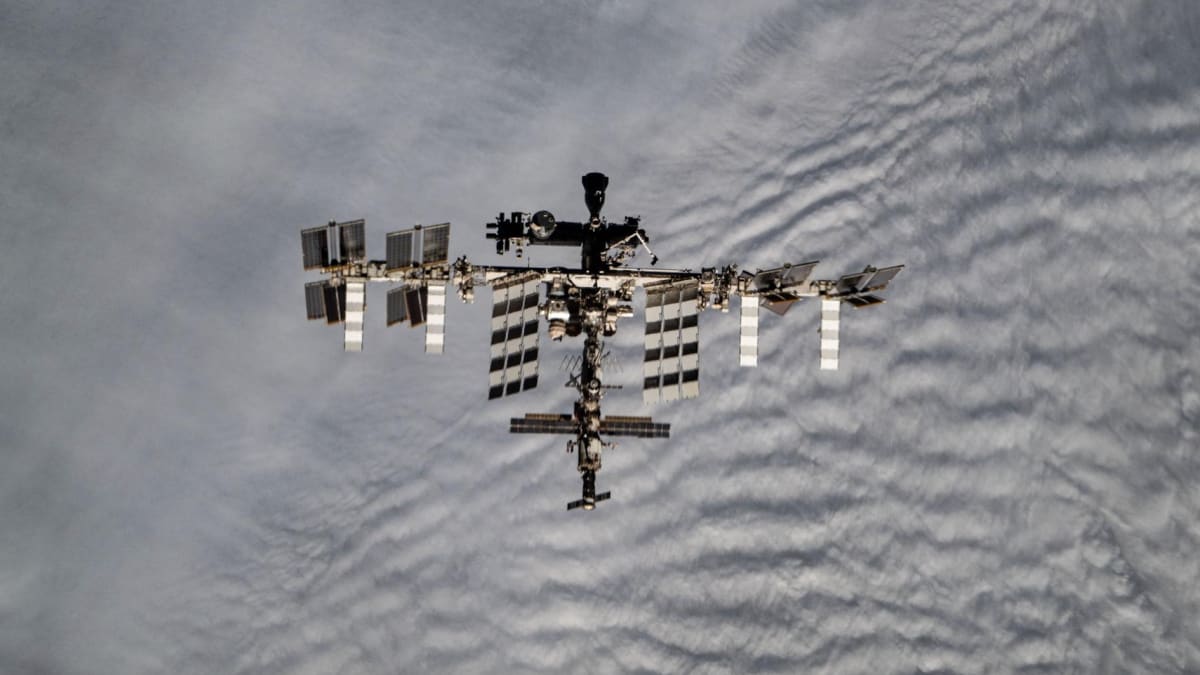
Congress just voted to keep the International Space Station flying until 2032, buying time for American companies to launch commercial space stations before China dominates orbit. The move ensures astronauts never have to leave low Earth orbit.
The International Space Station just got a two-year lease extension, and it's all about keeping America in the space race.
The Senate Commerce Committee approved a bill Wednesday pushing the ISS retirement date from 2030 to September 2032. The orbiting laboratory has hosted rotating astronaut crews continuously since November 2000, making it humanity's longest-running home away from home.
The reason for the extension is straightforward. China launched its Tiangong space station in 2021 and plans to operate it through the mid-2030s, while American commercial stations aren't quite ready yet.
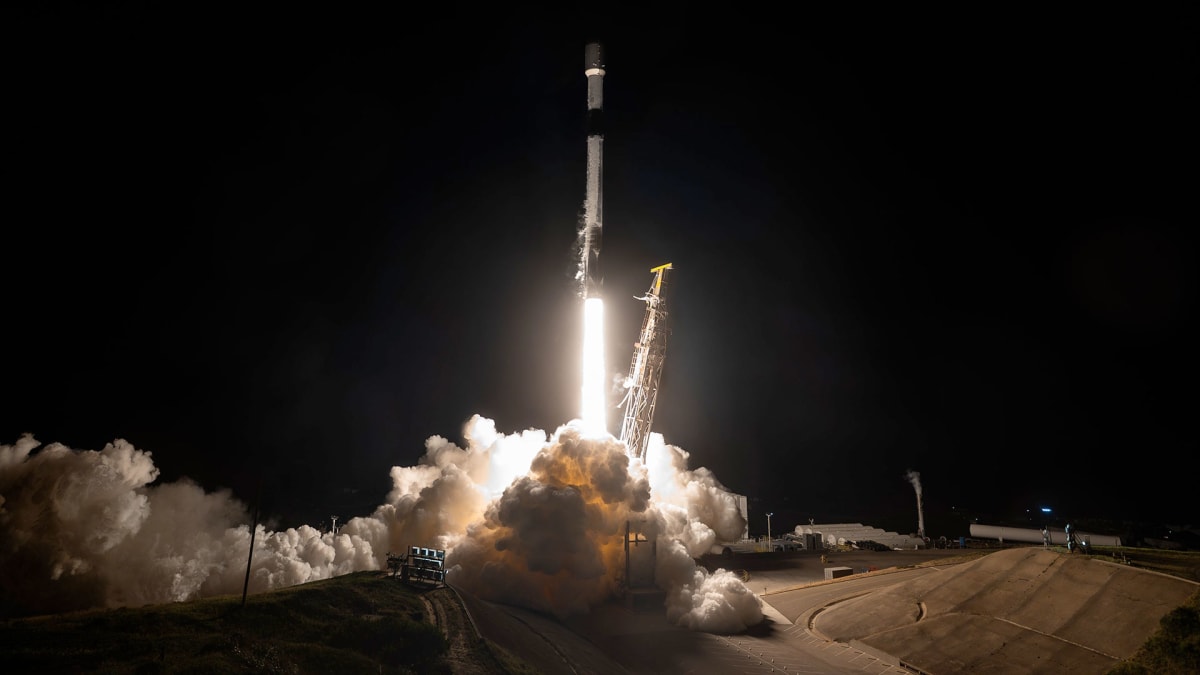
NASA has been betting on private companies to replace the aging ISS. Through its Commercial LEO Destinations program, the agency has awarded over $500 million since 2021 to companies like Blue Origin and Voyager Technologies, which are building the Orbital Reef and Starlab stations.
Other ambitious projects are taking shape too. California startup Vast just raised $500 million for its Haven-2 station, and Houston's Axiom Space plans to build its outpost using modules initially docked with the ISS.
All these companies promised to launch before 2030. But Congress isn't convinced they'll make it.
The new bill includes a safety clause requiring NASA to keep the ISS operational until at least one commercial station can actually provide services. No gaps allowed in America's continuous human presence in orbit.
The Ripple Effect
This decision does more than just extend one space station's life. It protects decades of scientific research, international partnerships, and technical expertise that can't be recreated overnight.
The bill also rejected President Trump's proposed 24% NASA budget cut, instead allocating $24.7 billion for 2026 and $25.3 billion for 2027. That funding will support not just the ISS extension but also plans for a permanent lunar base under the Artemis program.
Senator Ted Cruz, who chairs the commerce committee, framed the stakes clearly during a September hearing. America must maintain leadership in low Earth orbit while embarking on new exploration, he said.
The extension gives commercial space companies breathing room to perfect their designs and ensures astronauts won't face an awkward gap where they'd have to abandon orbit entirely. It's practical policy meeting ambitious innovation.
The bill still needs approval from the full Senate, the House of Representatives, and the president's signature to become law, but keeping humans continuously in space for another 32 years would be worth celebrating.
More Images

Based on reporting by Space.com
This story was written by BrightWire based on verified news reports.
Spread the positivity!
Share this good news with someone who needs it