Space Telescopes Team Up to Map Milky Way's Golden Heart
Two powerful space telescopes are joining forces to create the most detailed map ever of our galaxy's glittering center, home to 10 billion stars. Their collaboration will help scientists discover hidden black holes and rogue planets drifting through space.
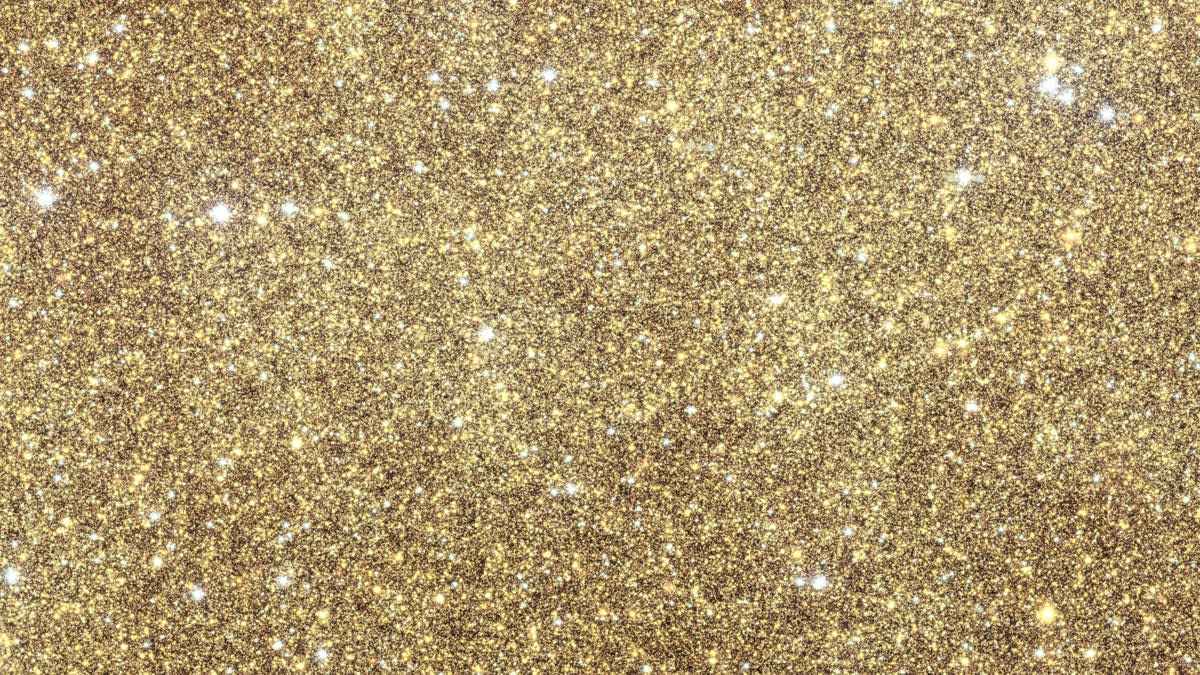
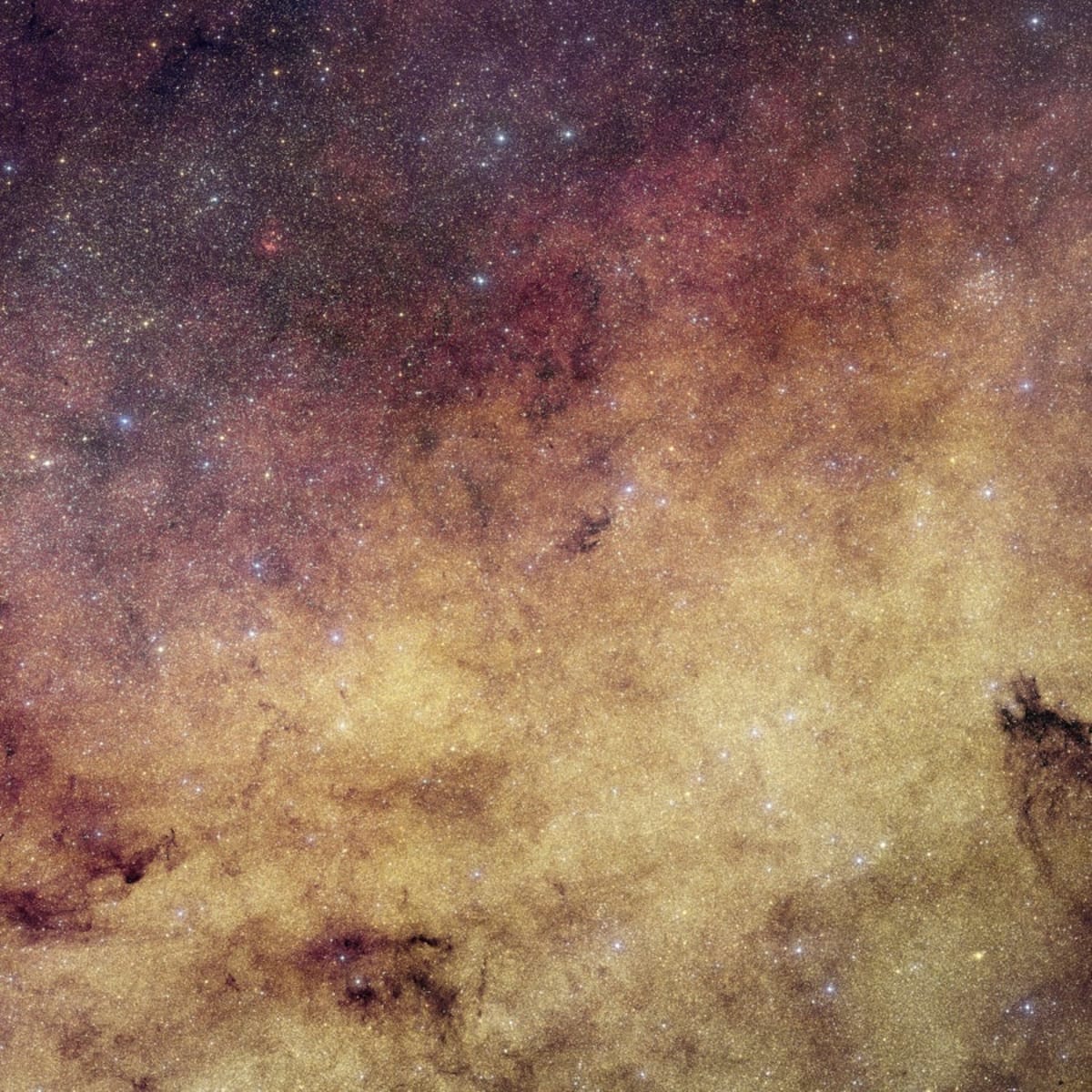
The heart of our galaxy is putting on a spectacular show, glowing pink, purple, and gold in a breathtaking new image captured by Europe's Euclid space telescope.
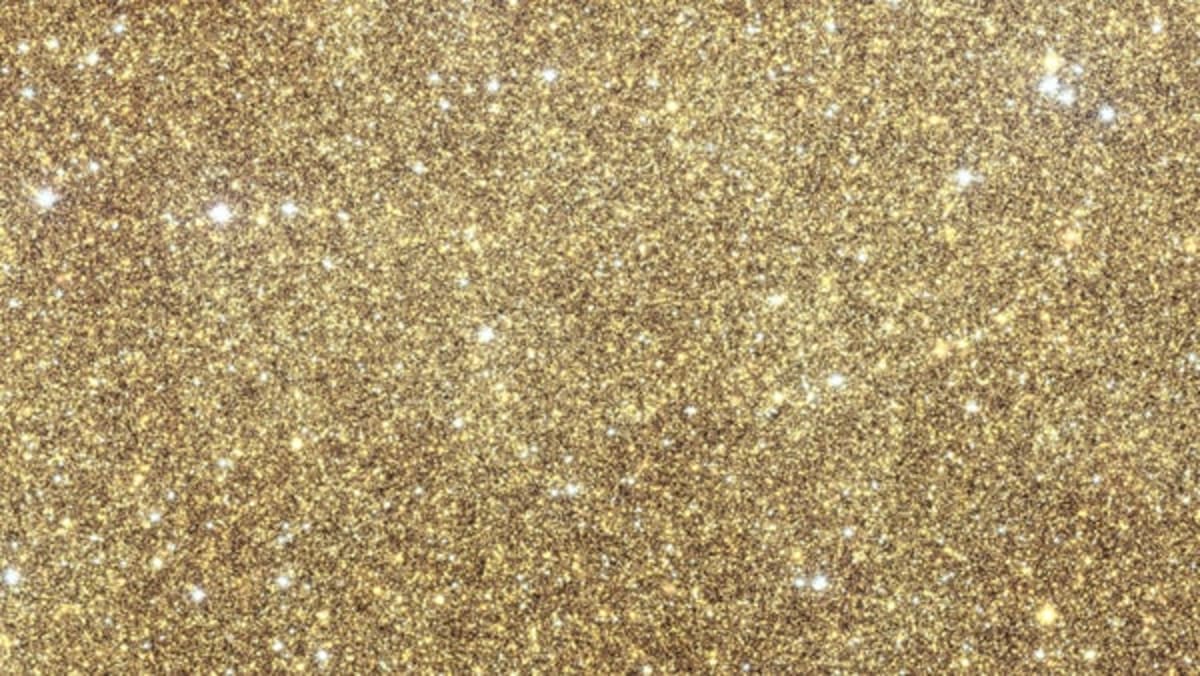
The stunning snapshot reveals the galactic bulge, a football-shaped region at the Milky Way's center where about 10 billion ancient stars pack together. These old, cool stars give the area its distinctive golden glow, creating a cosmic light show 26,000 light-years from Earth.
But this image is more than just eye candy. It's the opening act for an exciting partnership between Euclid and NASA's upcoming Nancy Grace Roman Space Telescope, launching in August 2026.
Euclid paused its normal work to photograph 5 square degrees of sky in a single day, equivalent to the area of 25 full moons. The image serves as a baseline for what Roman will accomplish next: five years of repeated, detailed observations of the same region.
NASA senior research scientist Jason Rhodes explains the benefit simply. "Adding Euclid's snapshot to Roman's future survey will help us map our galaxy better and identify hard-to-find cosmic treasures like isolated black holes and rogue planets more easily," he said.
The Roman telescope will spend years watching for microlensing events, which happen when massive objects like black holes pass in front of distant stars. The object's gravity bends the starlight like a magnifying glass, revealing hidden treasures that would otherwise stay invisible.
Some black holes are so massive they create microlensing events lasting years. By watching the same patch of sky over time, scientists can catch these slow-motion cosmic dances and understand how these mysterious objects evolve.
Why This Inspires
This collaboration marks a turning point in how we explore space. Instead of working alone, these two telescopes are teaming up to accomplish science neither was originally designed to achieve.
Rhodes calls it a model for future missions. The partnership proves that coordinated observations can unlock far more discoveries than any single telescope working solo.
The darker patches in Euclid's image show thick molecular clouds where new stars are being born right now. Toward the edges, the view clears to reveal countless distant stars, each one a sun in its own right.
Together, these telescopes will create an unprecedented map of our galactic neighborhood, revealing secrets hiding in plain sight at the heart of our cosmic home.
More Images

Based on reporting by Scientific American
This story was written by BrightWire based on verified news reports.
Spread the positivity!
Share this good news with someone who needs it