Webb Telescope Finds Salt Clouds on Ancient Pink Planet
NASA's James Webb Space Telescope solved a decade-old mystery by discovering exotic salt clouds swirling around GJ 504b, one of the coldest alien worlds ever photographed. The breakthrough shows we can finally study dim, distant planets that were impossible to see clearly before.
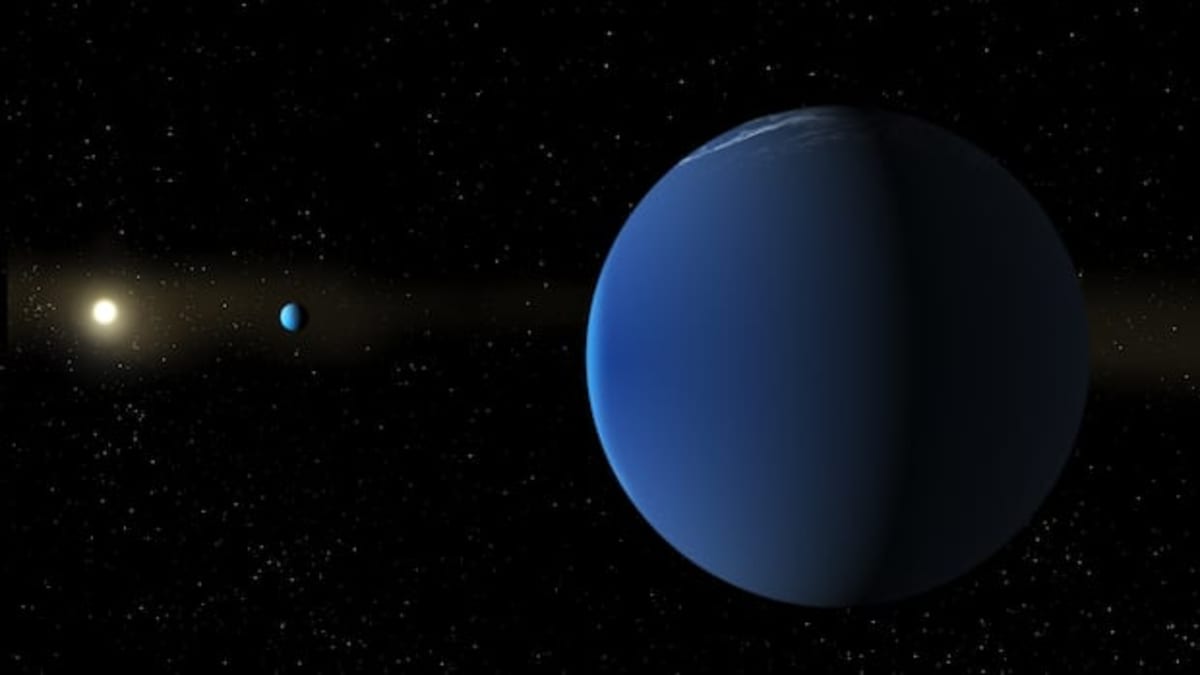
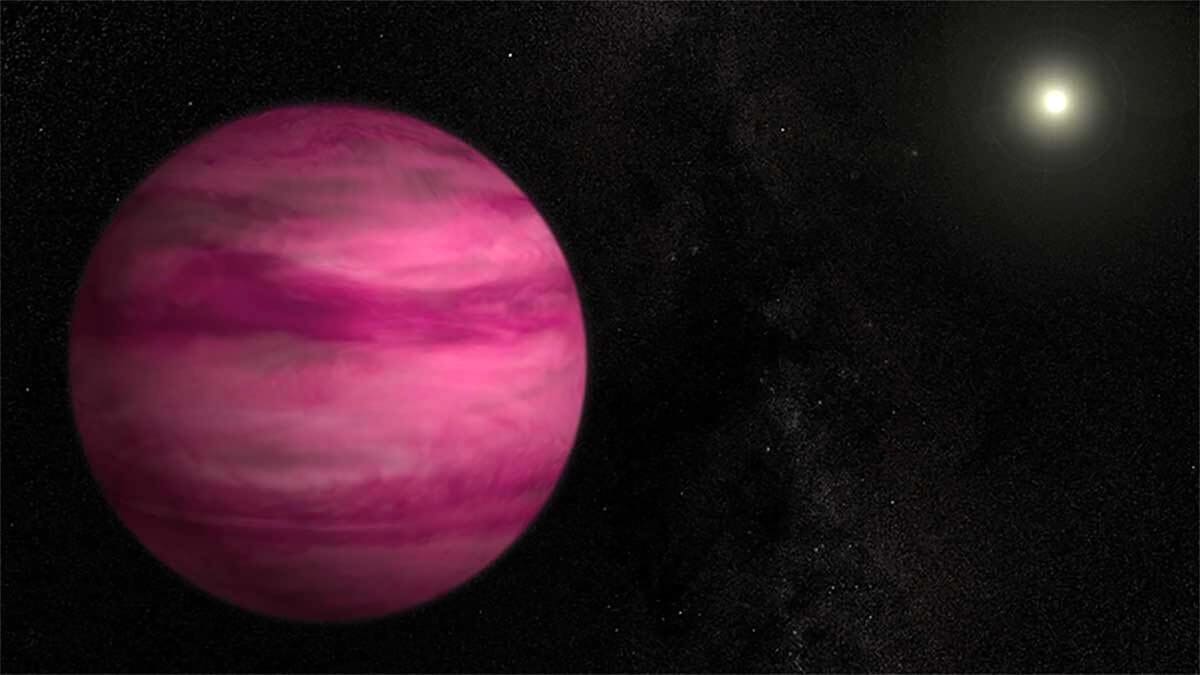
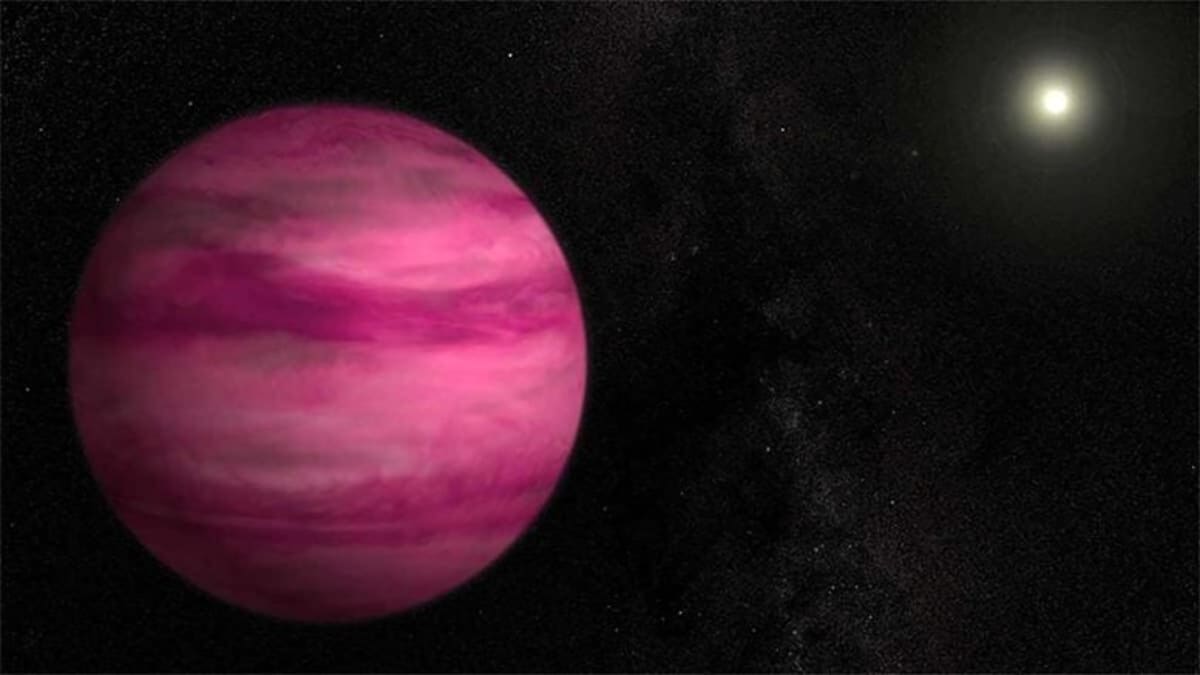
After more than ten years of puzzling over a faint pink world 57 light-years away, astronomers finally have their answer: it's wrapped in clouds made of salt.
The planet, nicknamed the Pink Planet for its rosy glow, has baffled scientists since its discovery in 2013. Ground-based telescopes struggled to capture enough light from this ancient, cold world to understand what makes it tick.
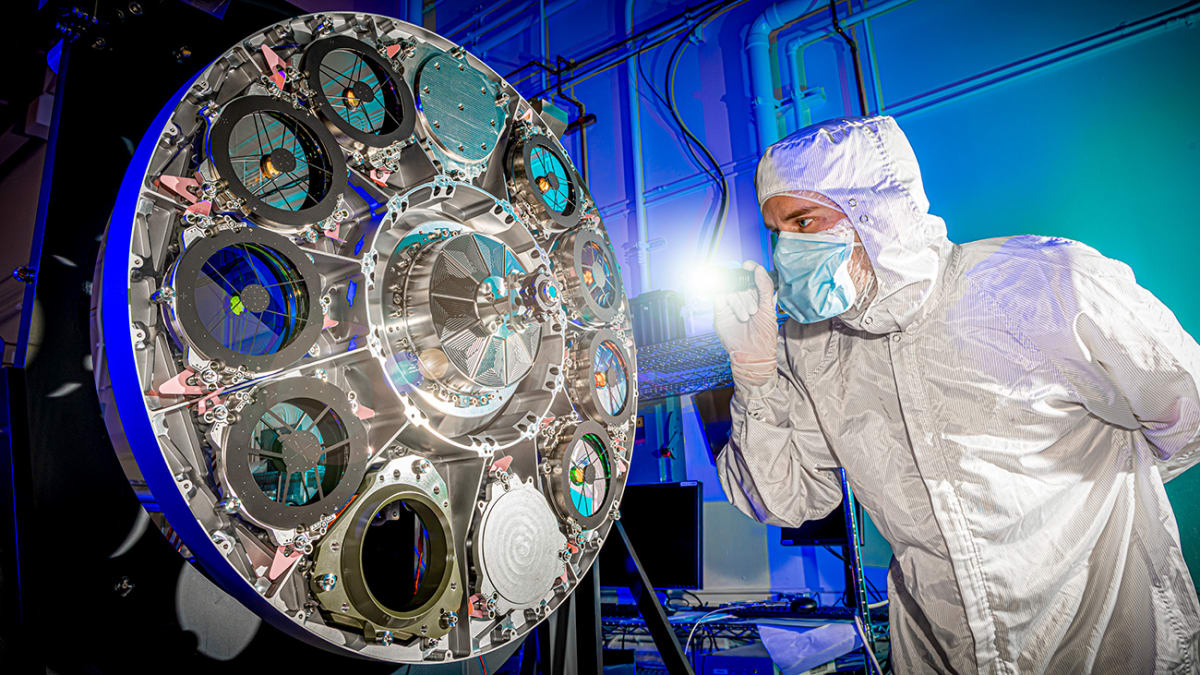
Enter the James Webb Space Telescope. In just two hours, Webb captured what Earth's most powerful telescopes couldn't achieve after entire nights of trying. The result was a crystal-clear view of an atmosphere unlike anything scientists had seen before.
Northwestern University researcher Aneesh Baburaj led the team that uncovered the salty secret. When they first analyzed the data, something didn't add up. The atmospheric readings only made sense if they included conditions that shouldn't exist in nature.
The breakthrough came when they added clouds to their computer simulations. Among several cloud types they tested, salt clouds matched the observations perfectly. These exotic clouds block the view of deeper atmospheric layers, changing how light escapes into space.
The discovery confirms an idea scientists proposed over 15 years ago but couldn't prove until now. Salt clouds can exist in the atmospheres of cold planetary objects, not just in theory but in reality.
Why This Inspires
This success story shows how new tools unlock old mysteries. What once took all night with the world's biggest telescopes now takes two hours with the right technology.
The Pink Planet itself tells an inspiring story of patience. At roughly 3 billion years old and cooler than most known exoplanets at just 550 degrees Fahrenheit, it represents the far future of giant worlds. All hot planets eventually cool down, and this ancient companion shows what billions of years of cosmic aging looks like.
The methods developed for this study will help scientists investigate many other faint, cold worlds previously beyond our reach. Jupiter has its own cloud layers made of ammonia ice, and while we can't study them in this detail yet, we're getting closer.
Webb's success with the Pink Planet proves we're entering a new era of planetary science. Worlds that existed only as fuzzy dots now reveal their secrets in stunning detail, showing us that the universe holds wonders we're only beginning to understand.
More Images
Based on reporting by Google: James Webb telescope
This story was written by BrightWire based on verified news reports.
Spread the positivity!
Share this good news with someone who needs it