SpaceX Launches Jam-Proof GPS Satellite in Record Time
SpaceX just set a new speed record for national security launches, getting a critical GPS satellite from delivery to orbit in just 41 days. The ninth advanced navigation satellite now helps protect positioning systems from interference while honoring a fallen Challenger hero.
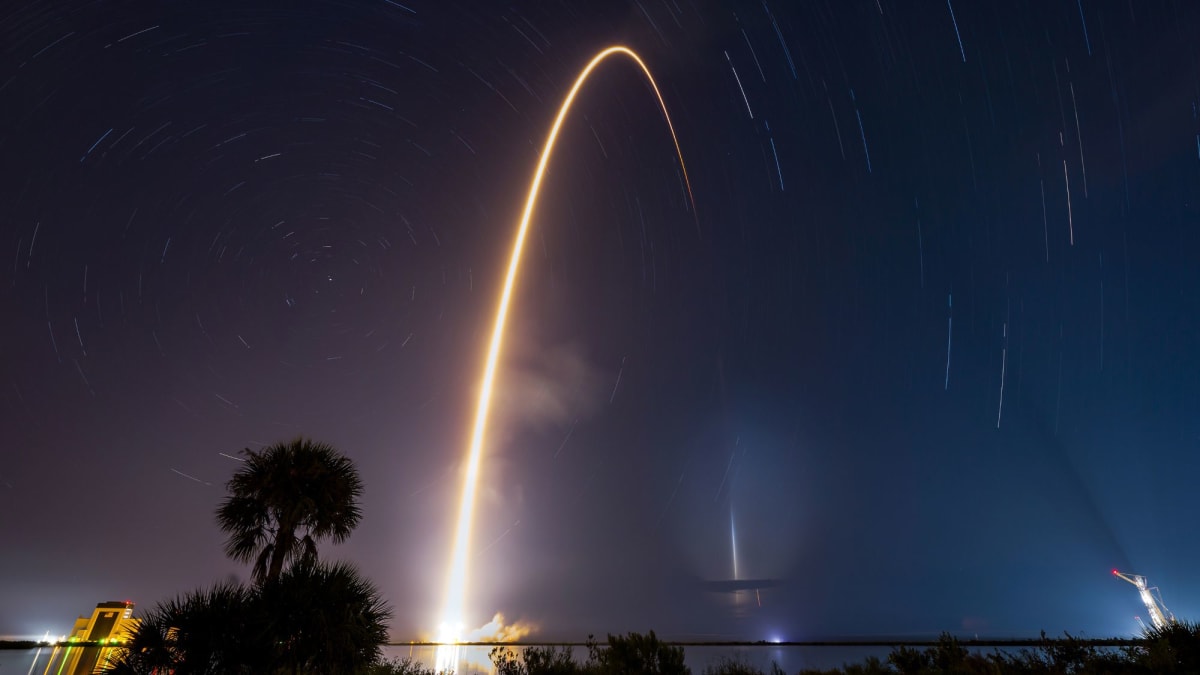
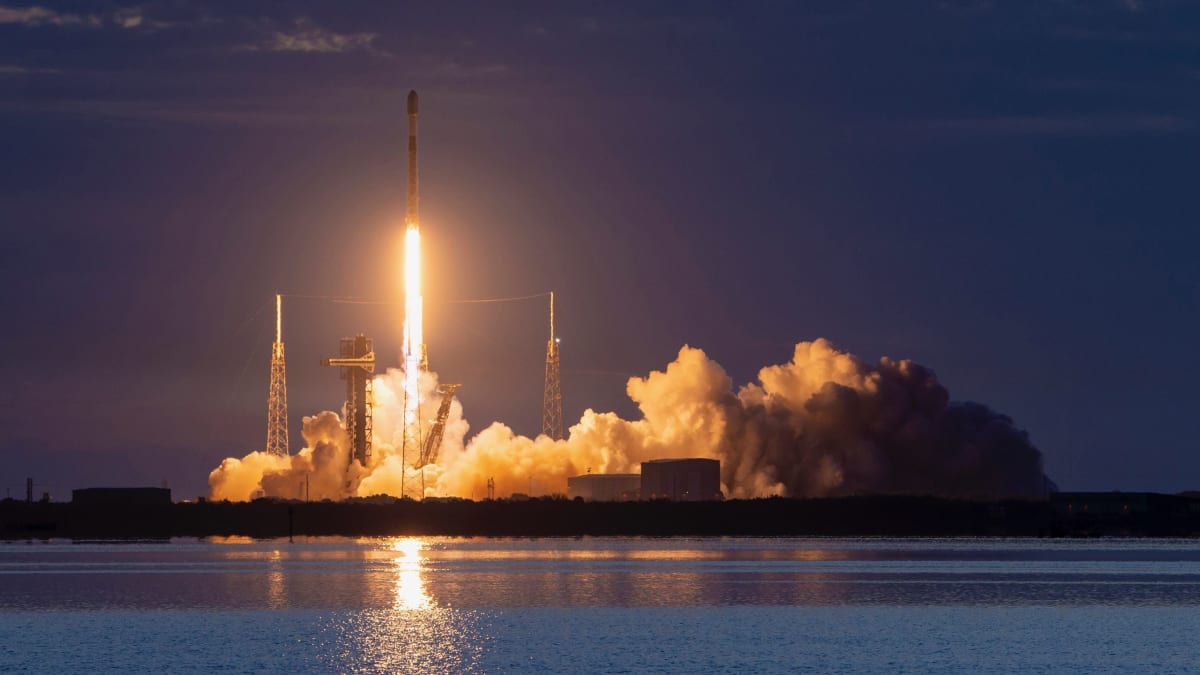
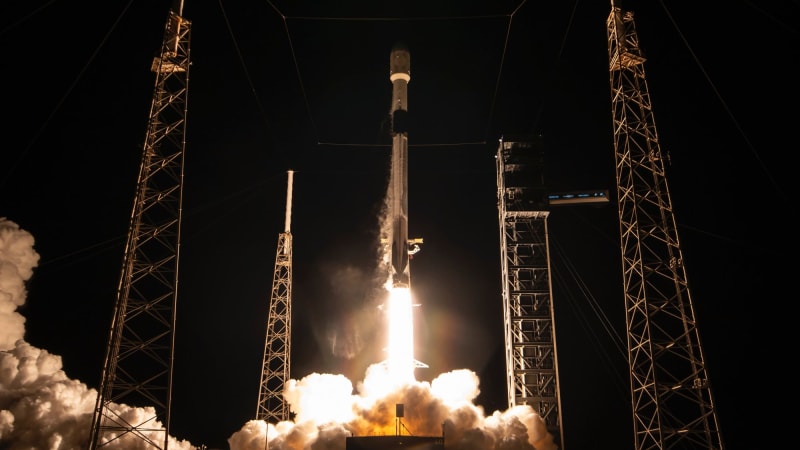
A new GPS satellite rocketed into orbit Tuesday night, and it got there faster than any national security payload in SpaceX history.
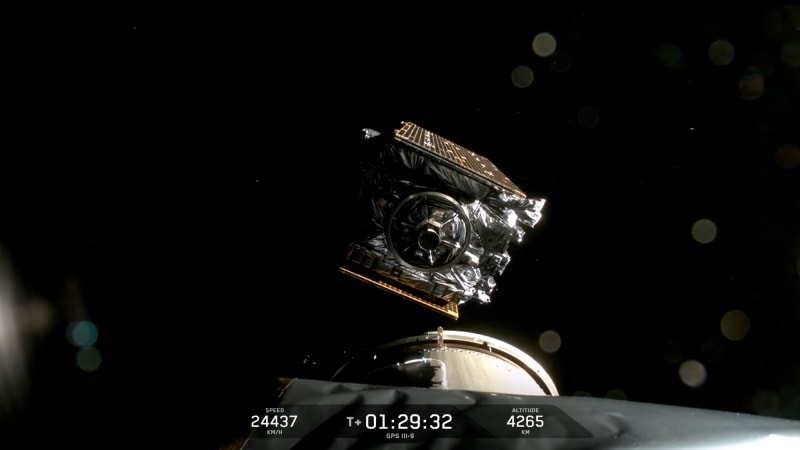
The Falcon 9 rocket lifted off from Cape Canaveral Space Force Station at 11:53 p.m. EST, carrying the GPS III-SV09 satellite designed to resist jamming attempts. SpaceX completed the entire integration and launch process in just 41 days, shattering their previous turnaround record for military missions.
This marks the ninth of ten next-generation GPS satellites now circling Earth at 2,650 miles up. These upgraded spacecraft feature special "M-Code" technology built by Lockheed Martin that makes them far harder to jam than older versions, a crucial upgrade as navigation systems face growing threats.
The Space Force showed impressive flexibility to make this launch happen. They swapped rocket assignments between SpaceX and United Launch Alliance to adapt to changing circumstances and get capabilities to troops faster. Weather delayed the original Monday launch by one day, but the mission proceeded flawlessly once the skies cleared.
The satellite carries a meaningful name: Ellison Onizuka, after the Air Force colonel and NASA astronaut who died in the Challenger accident 39 years ago this week. Other GPS satellites honor space pioneers too, including Neil Armstrong and Sally Ride, keeping their legacy alive in the technology that guides us every day.
The Falcon 9's first stage completed its fifth flight, landing precisely on the drone ship "A Shortfall of Gravitas" in the Atlantic Ocean about 8.5 minutes after launch. Reusing rockets like this helps keep costs down while maintaining the rapid launch pace that national security missions increasingly demand.
Why This Inspires
This launch shows how much progress we've made in making space access routine and reliable. What once took months of preparation now happens in weeks, and countries can deploy critical infrastructure faster than ever.
The combination of cutting-edge anti-jamming technology and historic speed demonstrates how innovation serves both security and efficiency. Teams across SpaceX, Lockheed Martin, and the Space Force coordinated seamlessly to protect the navigation systems billions of people rely on daily.
The final GPS III satellite is expected to launch later this year, completing a constellation that will serve users worldwide for decades. Even better, the next generation of GPS satellites is already in development, with the first scheduled for spring 2027.
Space is becoming more accessible, technology is getting more resilient, and the pace of progress keeps accelerating.
More Images


Based on reporting by Google News - Science
This story was written by BrightWire based on verified news reports.
Spread the positivity!
Share this good news with someone who needs it