Stone Age Voyagers Reached Malta 8,500 Years Ago
Ancient hunter-gatherers crossed 85 kilometers of open Mediterranean Sea to reach Malta 8,500 years ago, over 1,000 years earlier than previously known. The discovery is rewriting what we thought Stone Age peoples could accomplish.
Stone Age hunter-gatherers were navigating the open ocean thousands of years earlier than archaeologists ever imagined.
A team led by Eleanor Scerri at the Max Planck Institute of Geoanthropology just discovered evidence that humans reached Malta 8,500 years ago. The finding pushes back the island's human occupation by more than 1,000 years.
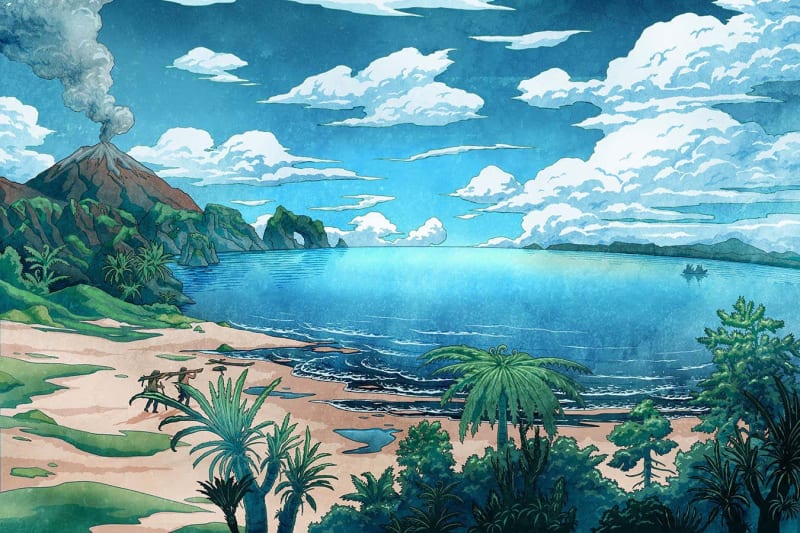
Here's what makes this remarkable. Malta sits 85 kilometers from Sicily, far enough that you can't see it from shore. Getting there in a primitive canoe would take over 24 hours of paddling, meaning ancient voyagers had to navigate by stars through the night.
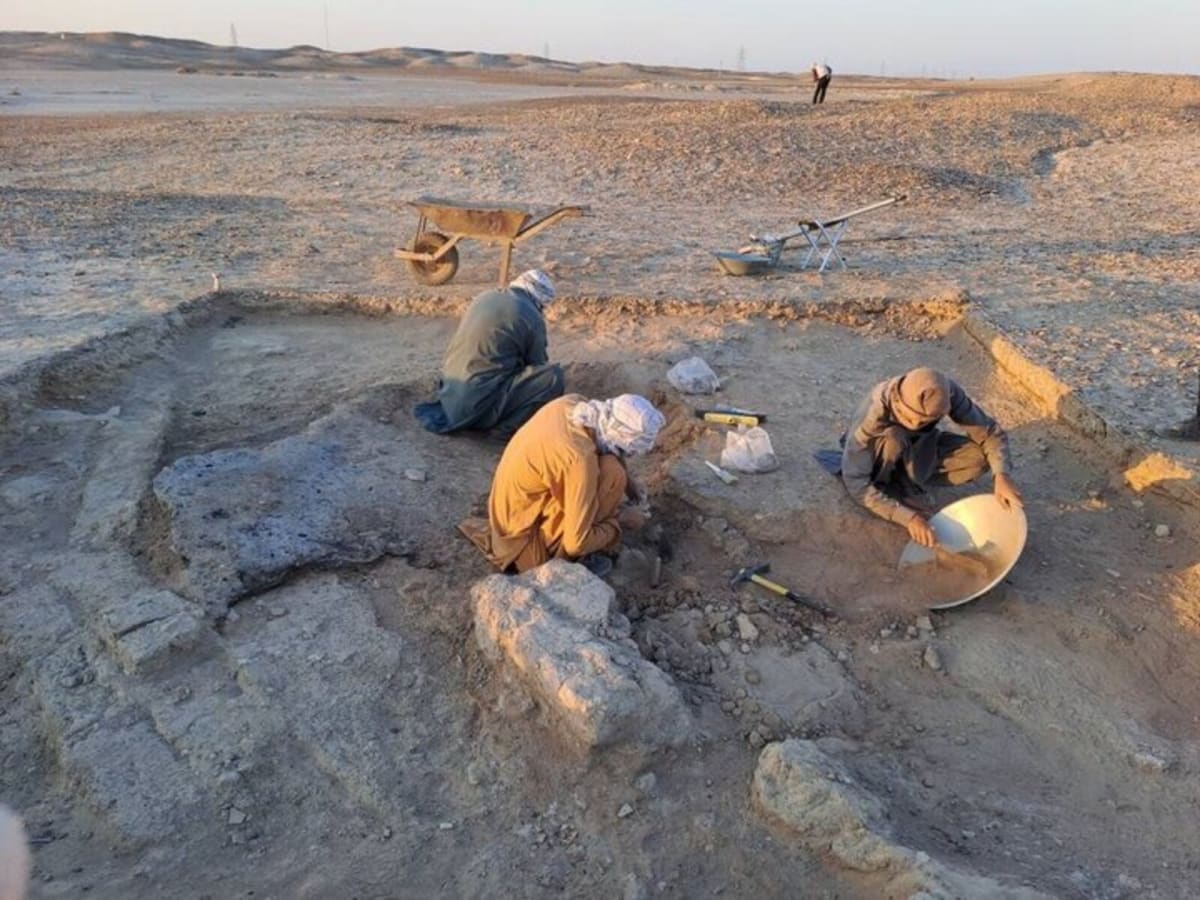
Between 2021 and 2023, Scerri's team excavated a sinkhole in northern Malta. They found ash from ancient fires, stone tools, and butchered deer bones. Carbon dating confirmed people were living there 8,500 years ago.
What stunned researchers most wasn't just how early humans arrived. It was who these people were. They were hunter-gatherers using Stone Age technology, not farmers with advanced tools.
Archaeologists had long assumed hunter-gatherers stuck to coastlines and didn't make long ocean crossings. This discovery proves that assumption wrong.
Why This Inspires
This finding asks us to reconsider what our ancestors were capable of. These weren't people with compasses, maps, or modern boats. They were Stone Age voyagers with ingenuity, courage, and navigational skills we're only beginning to understand.
The discovery opens fascinating questions. If Mediterranean hunter-gatherers crossed nearly 100 kilometers of ocean 8,500 years ago, what other voyages did they make? How much further back does seafaring extend into human history?
Each new archaeological find reveals that ancient humans were far more sophisticated than we give them credit for. They weren't just surviving in the Stone Age. They were exploring, innovating, and pushing boundaries in ways that still impress us today.
The ocean didn't stop our ancestors from reaching new horizons, and their adventurous spirit reminds us that human curiosity has always been boundless.
More Images


Based on reporting by New Scientist
This story was written by BrightWire based on verified news reports.
Spread the positivity!
Share this good news with someone who needs it