Surrey Creates Insect Highways to Save Rarest Species
A conservation project is turning Surrey's chalk grasslands into "insect motorways" to save some of Britain's rarest creatures. The £300,000 initiative will restore 74 acres and reconnect fragmented habitats where species found nowhere else in the UK struggle to survive.
Imagine a butterfly so rare it exists in just two places on Earth, both in Surrey. Now picture volunteers helping build highways to save it.
That's exactly what's happening in the Surrey Hills, where conservation charity Buglife just launched Chalk Lines, an ambitious project to restore more than 74 acres of chalk grassland. The National Lottery Heritage Fund awarded £300,000 to create connected corridors that let rare insects safely travel across the countryside.
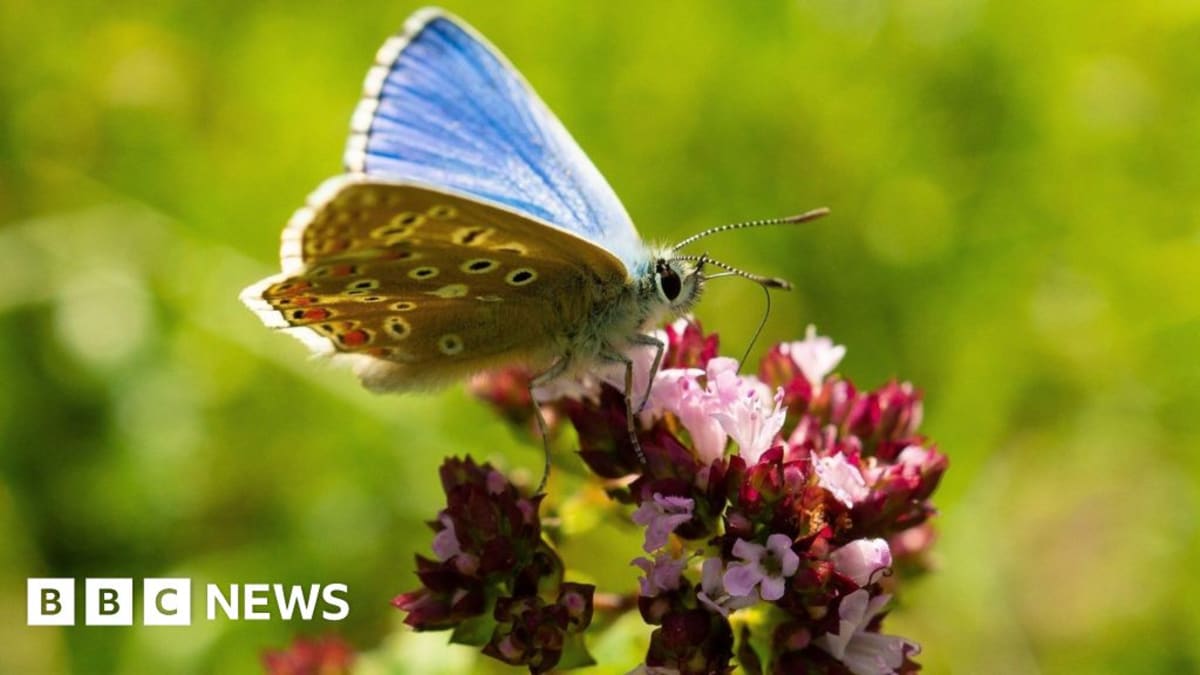
The stars of this story include creatures most people have never heard of. The Straw Belle moth now survives at only two sites in Surrey. The hazel pot beetle ranks among the UK's rarest insects. The adonis blue butterfly, armed nomad bee, and large scabious mining bee all depend on these fragile grasslands.
Chalk grassland might sound ordinary, but it's anything but. This rare habitat supports wildflowers and insects found nowhere else in the world. For centuries, traditional grazing maintained these rolling downs naturally. Without that care, the grasslands have vanished or degraded, leaving surviving patches isolated like islands.
That isolation threatens everything living there. When insect populations can't connect with others, they become vulnerable to disappearing forever. The Chalk Lines project solves this by reconnecting habitat patches, creating safe travel routes Buglife calls "insect motorways."
Local communities will play a starring role. Conservation officer Alice Parfitt says residents can get hands-on through wildflower seeding, planting, and creative workshops. Fellow officer Peter Hewtson plans workshops teaching volunteers about these rare insects and their crucial role in UK ecosystems.
The Ripple Effect
Saving rare insects does more than preserve beautiful creatures. These tiny species pollinate plants, support food chains, and indicate ecosystem health. When insects thrive, birds, bats, and other wildlife benefit. When grasslands recover, they capture carbon and filter water.
The project also connects people with nature on their doorstep. Stuart McLeod from the National Lottery Heritage Fund says they're proud to support work that protects remarkable wildlife while giving communities chances to engage with local habitats.
Volunteers will learn skills in habitat management and conservation while making tangible differences. Children attending workshops will discover worlds of biodiversity most adults never notice. Neighborhoods will watch their countryside transform into thriving wildlife corridors.
Surrey's chalk grasslands are getting a second chance, and they're taking some of Britain's rarest species with them.
More Images
Based on reporting by BBC Science
This story was written by BrightWire based on verified news reports.
Spread the positivity!
Share this good news with someone who needs it