Tanzania Communities Push for Ethical Wildlife Conservation
Maasai villages in Tanzania are challenging harmful conservation practices after rare elephants were killed in trophy hunts, sparking a movement toward community-centered alternatives. International organizations are now redirecting funding toward ecotourism models that benefit both wildlife and local people.
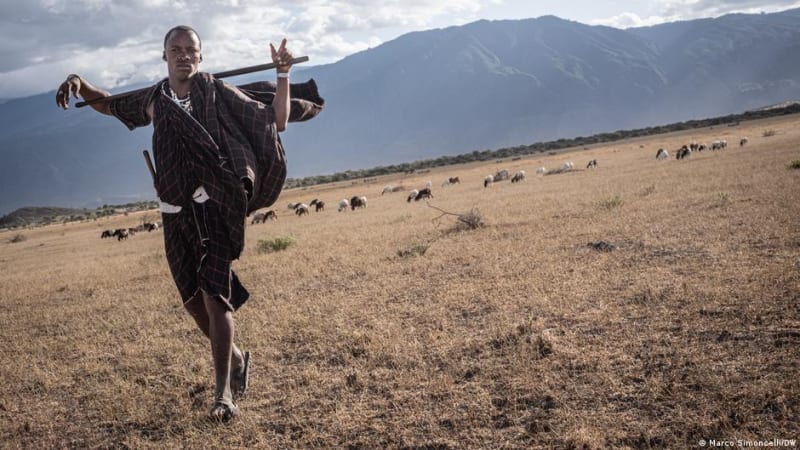
When five critically rare elephants disappeared from Tanzania's Enduimet Wildlife Management Area between 2023 and 2024, their burned remains told a story the world needed to hear. But the Maasai communities living there are turning tragedy into momentum for real change.
The Enduimet area near Mount Kilimanjaro was supposed to be a model for community-based conservation. Instead, local villages found themselves watching powerless as trophy hunters killed "super tuskers," elephants so rare that fewer than 30 remain on Earth.
The killings broke nearly 30 years of informal protection for elephants migrating between Kenya and Tanzania. One victim was only 30 years old and still in prime reproductive years.
But here's where the story shifts. The Maasai communities didn't stay silent.
In July 2024, residents protested eviction orders they saw as unjust, demanding a voice in decisions about their ancestral lands. Navaya Ole Ndaskoi from the Tanzanian NGO PINGOs Forum confirmed that local people had opposed the Wildlife Management Area structure from the beginning because it gave them revenue shares but no real power.
Their resistance is creating ripples across the conservation world. The European Commission suspended conservation funding to Tanzania in 2024 specifically because of human rights violations in these northern areas.
International organizations are listening and adapting. The World Wildlife Fund is now actively developing alternatives to trophy hunting in the region through its SOKNOT-Unganisha project, funded with €6.5 million from Germany's development ministry.
Novati Kessy, project manager at WWF Tanzania, explained the new approach directly: "What we do is develop alternatives to hunting, showing that it is possible to achieve much higher earnings through ecotourism."
The shift matters enormously. Ecotourism can generate sustainable income for communities without killing rare wildlife, and it puts local people at the center rather than treating them as obstacles to conservation.
Professor Bram Büscher, who researches conservation impacts, points out that protected areas have increased fifteen-fold since 1960, yet extinction crises have worsened. The problem isn't more protection but better protection that works with communities instead of against them.
The Enduimet situation exposes a fundamental flaw in many conservation models. Villages were told they had community management, but the land remained under presidential trusteeship, leaving them without decision-making power.
That's exactly what communities are now challenging. Their insistence on genuine participation is forcing conservation organizations to rethink decades of top-down approaches.
The Ripple Effect
The changes happening in Tanzania reflect a global shift in conservation thinking. Communities worldwide are demanding and winning the right to be partners, not subjects, in protecting their environments.
When local people have real ownership and benefit from conservation, they become its most effective guardians. The Maasai have lived alongside elephants for generations; their knowledge and commitment are irreplaceable.
The funding redirections show that international supporters are recognizing this truth. Moving money from trophy hunting permits toward ecotourism infrastructure creates jobs, preserves wildlife, and respects human rights simultaneously.
Other conservation areas across East Africa are watching closely. If Enduimet can successfully transition to community-led ecotourism, it becomes a genuine model rather than just a label.
The five lost elephants cannot be brought back, but their deaths are catalyzing a movement toward conservation that values both wildlife and the people who share the land. That's progress worth protecting.
Based on reporting by DW News
This story was written by BrightWire based on verified news reports.
Spread the positivity!
Share this good news with someone who needs it