Telescope Spots Interstellar Comet 10 Days Before Discovery
A telescope in Chile accidentally photographed an alien comet visiting from another star system ten days before astronomers officially discovered it. The find proves we're getting better at catching these rare cosmic visitors as they pass through our neighborhood.
Scientists just realized they had front-row seats to an interstellar comet's arrival and didn't even know it until later.
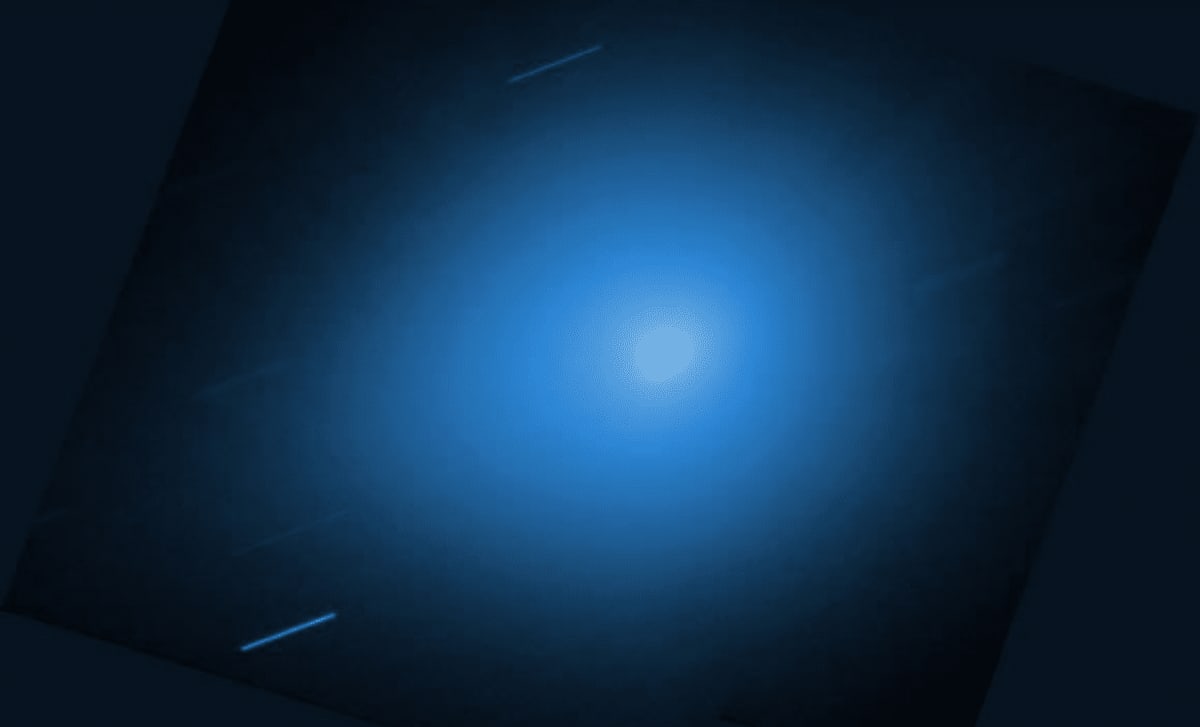
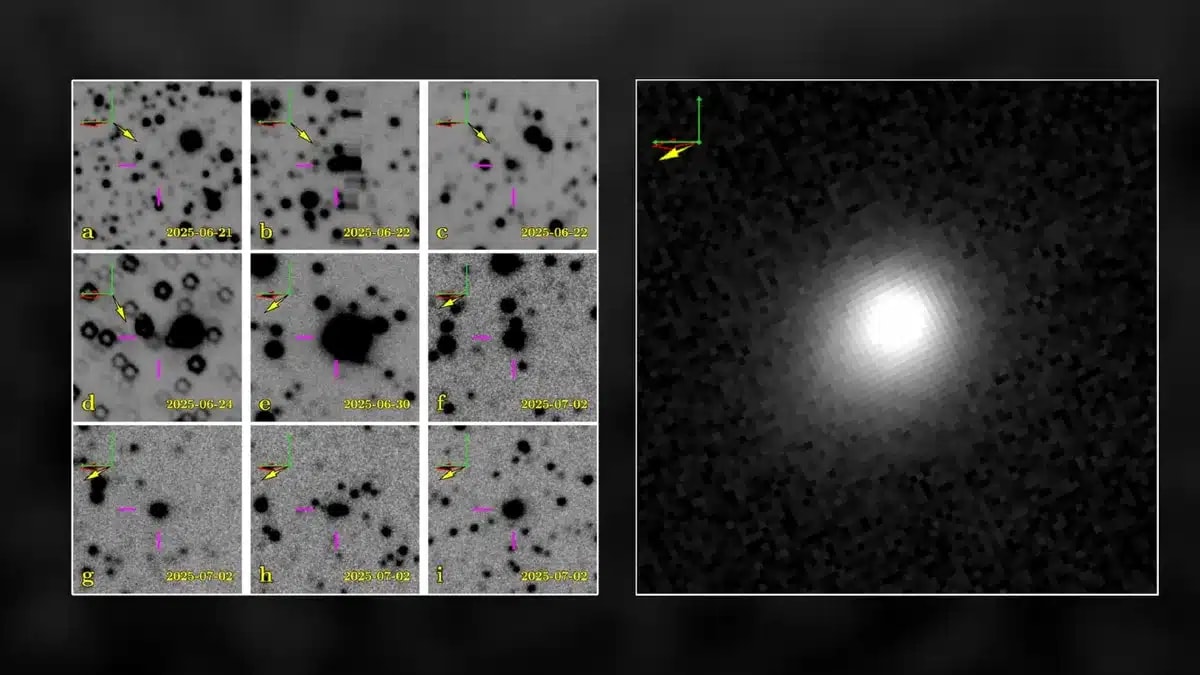
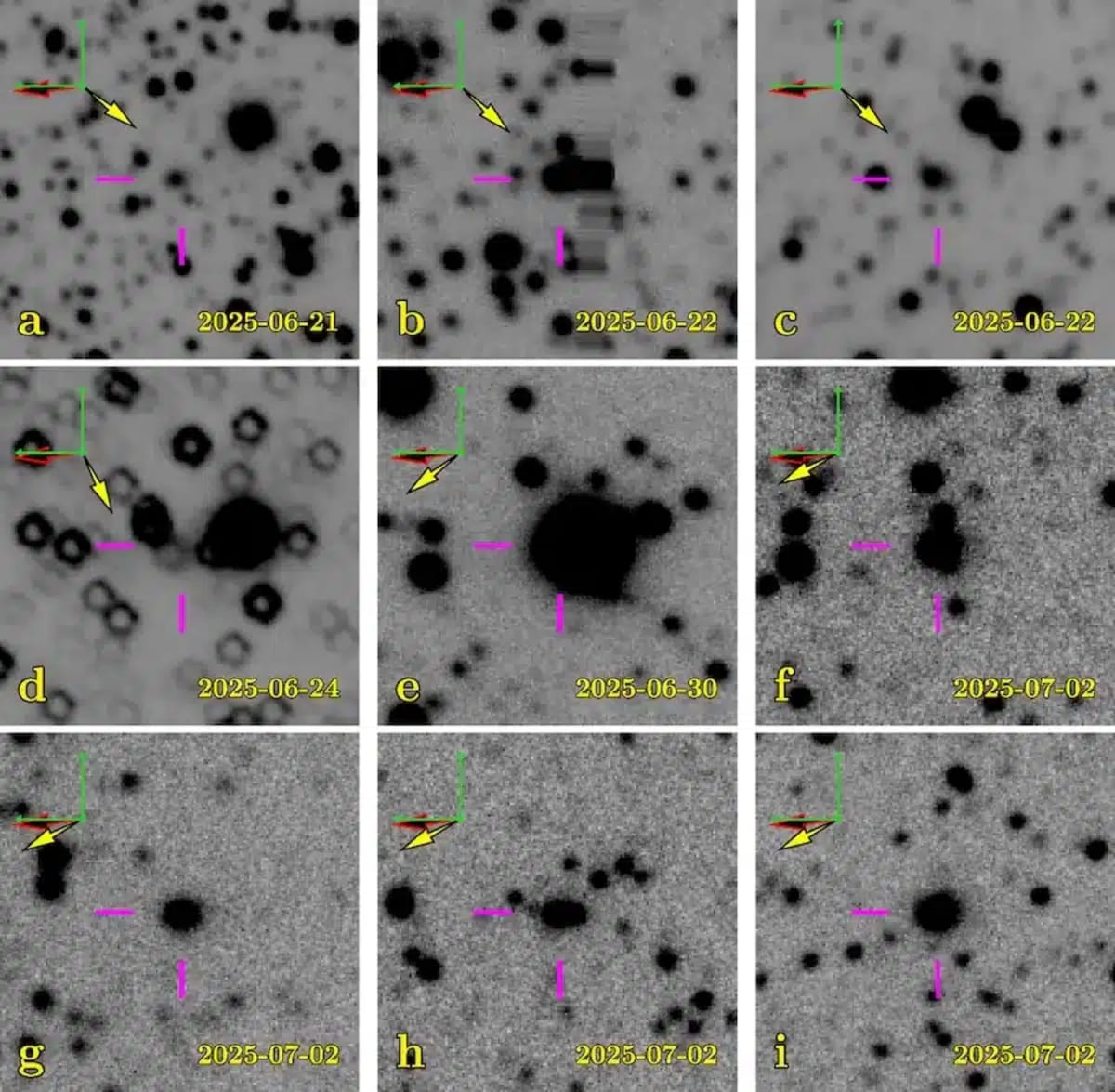
The Vera C. Rubin Observatory in Chile captured images of comet 3I/ATLAS on June 21, 2025, during practice runs with its new telescope. But the comet wasn't officially discovered until July 1, when a different system spotted it and rang the alarm bells.
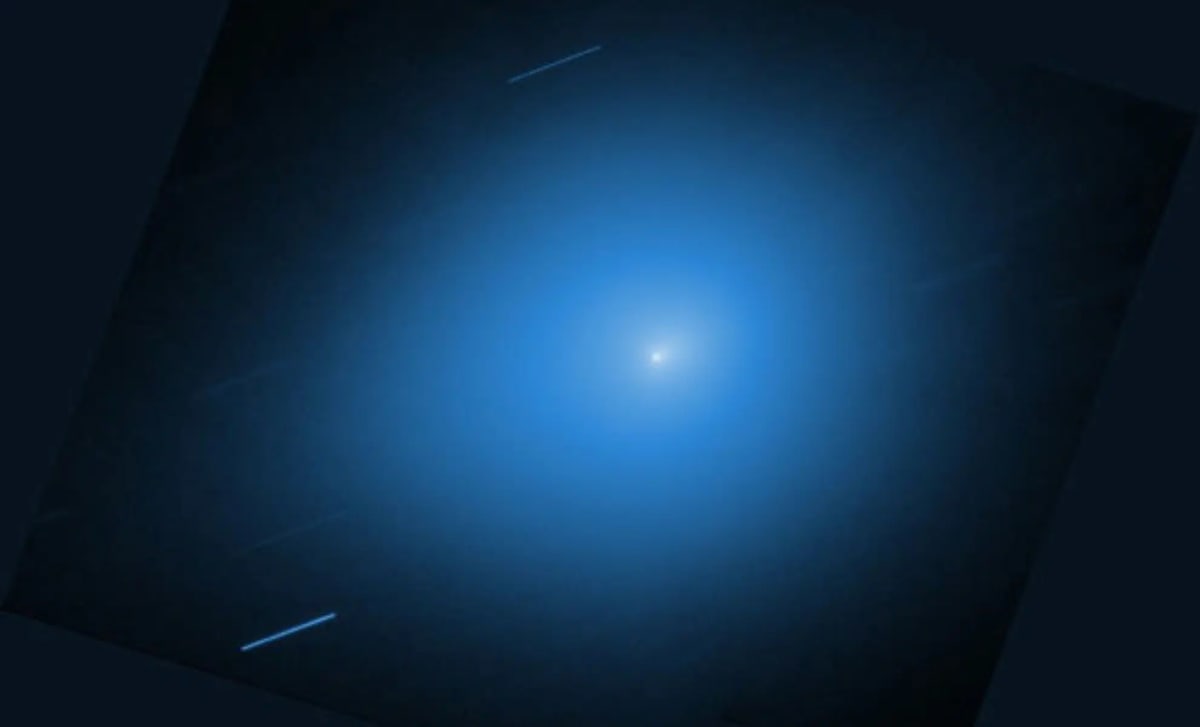
Colin Orion Chandler from the University of Washington and his team went back through the practice images using custom software. There it was, clear as day, with a glowing cloud of dust and gas already forming as it heated up near the sun.
The comet had been hiding in plain sight because Rubin's automated detection system wasn't running yet. If the telescope had started its test phase just a few weeks earlier with all systems ready, scientists could have announced the discovery themselves.
This marks only the third confirmed interstellar object ever detected passing through our solar system. The comet traveled here at 140,000 mph from another star system, carrying secrets about planets and stars far beyond our own.
Two spacecraft heading to Jupiter, ESA's JUICE and NASA's Europa Clipper, got an unexpected bonus when the comet passed between them in late 2025. They coordinated observations from opposite sides, with JUICE watching the day side and Europa Clipper studying the night side.
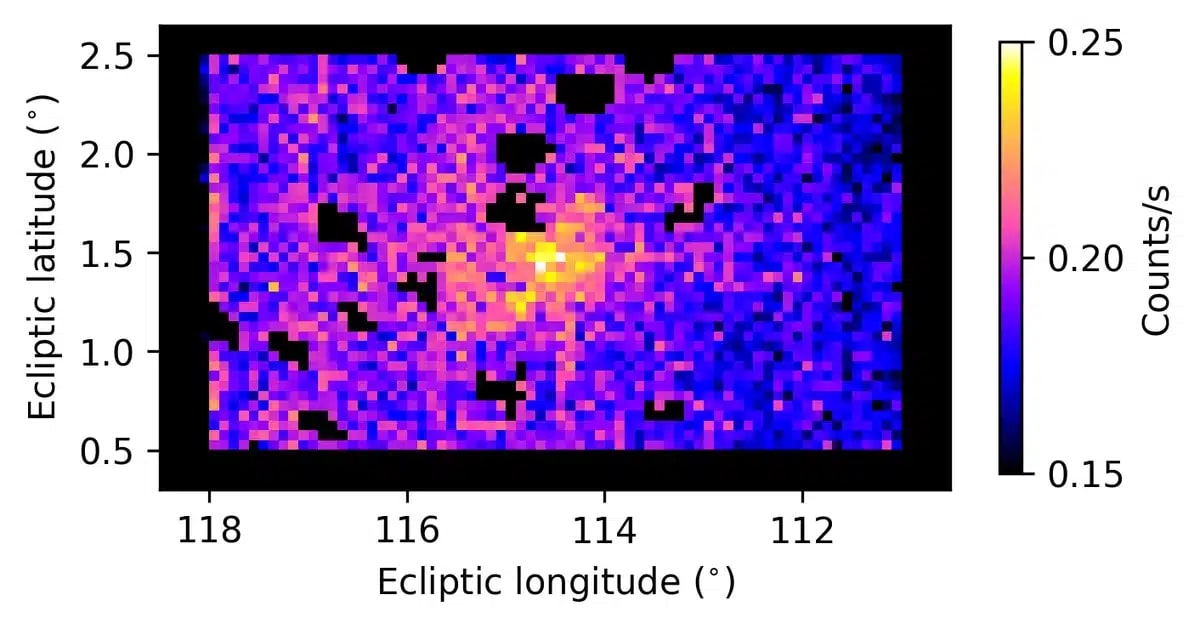
Their instruments detected something fascinating. The comet released way more carbon than typical solar system comets when sunlight broke apart its icy surface.
Why This Inspires
This discovery shows how new technology is opening windows into the universe we couldn't peek through before. The Rubin Observatory spotted the comet nine separate times in those early images, proving its power to find cosmic needles in the haystack of space.
Scientists estimate the comet is between seven and twelve billion years old, making it older than our own sun. It has likely wandered past multiple stars during its ancient journey before finally drifting into our corner of the galaxy.
Researchers now believe the Rubin Observatory could spot about one interstellar comet per year once it begins full operations. Each visitor will teach us about the chemistry and conditions around distant stars, helping us understand whether our solar system is typical or unique.
The detailed observations from ground telescopes and spacecraft are already helping scientists know what to look for next time. With better preparation and fully operational detection systems, we'll catch these cosmic travelers even earlier in their visits, giving us more time to study messengers from the stars.
More Images
Based on reporting by Google News - Science
This story was written by BrightWire based on verified news reports.
Spread the positivity!
Share this good news with someone who needs it