Thailand and South Korea Build Two-Way Startup Bridge
Thailand and South Korea are creating a new partnership that helps startups from both countries find partners, test products, and enter new markets. The Thai Embassy in Seoul is even renovating its building to house a startup connection hub.
Thailand and South Korea are opening doors for startups in both directions, creating opportunities that go far beyond simple market expansion.
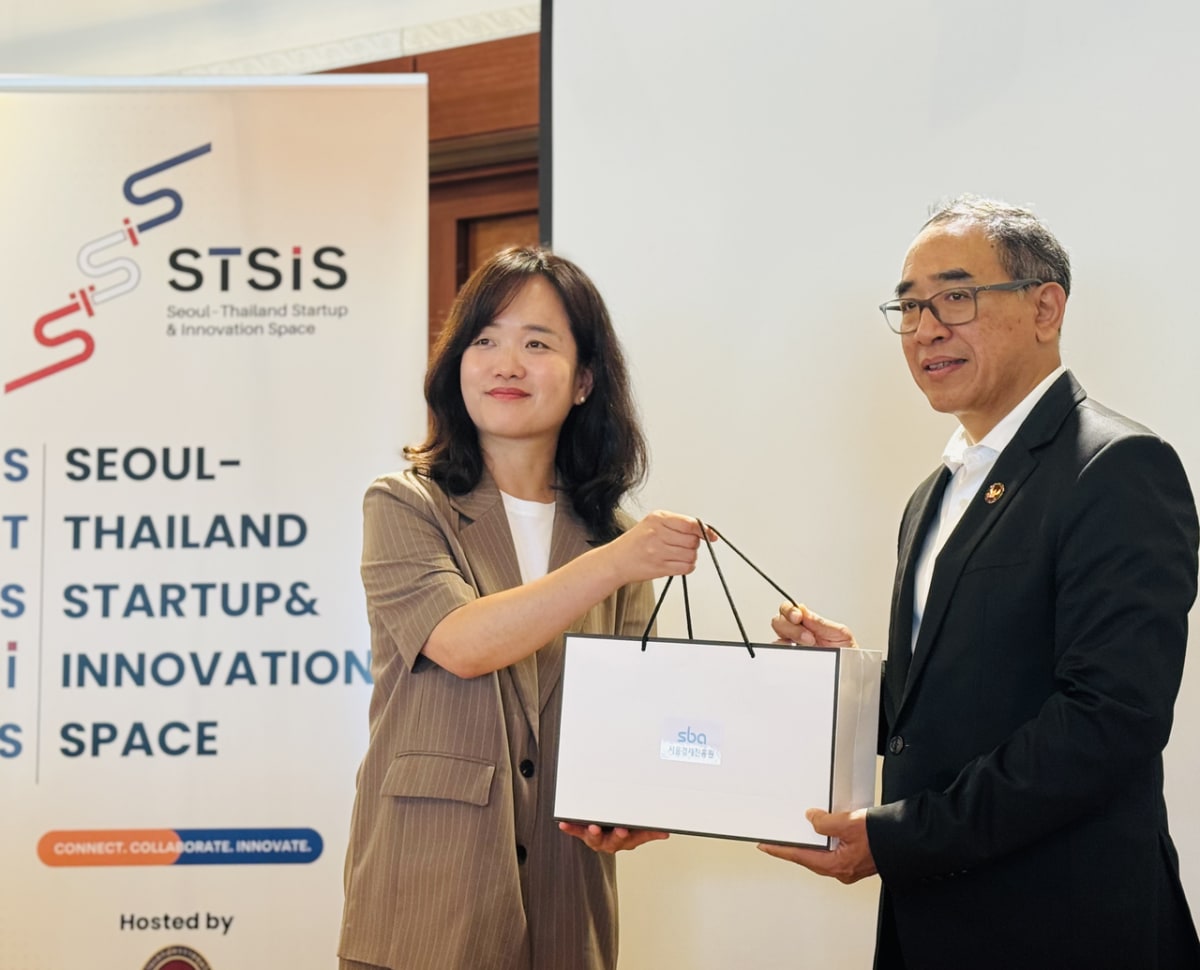
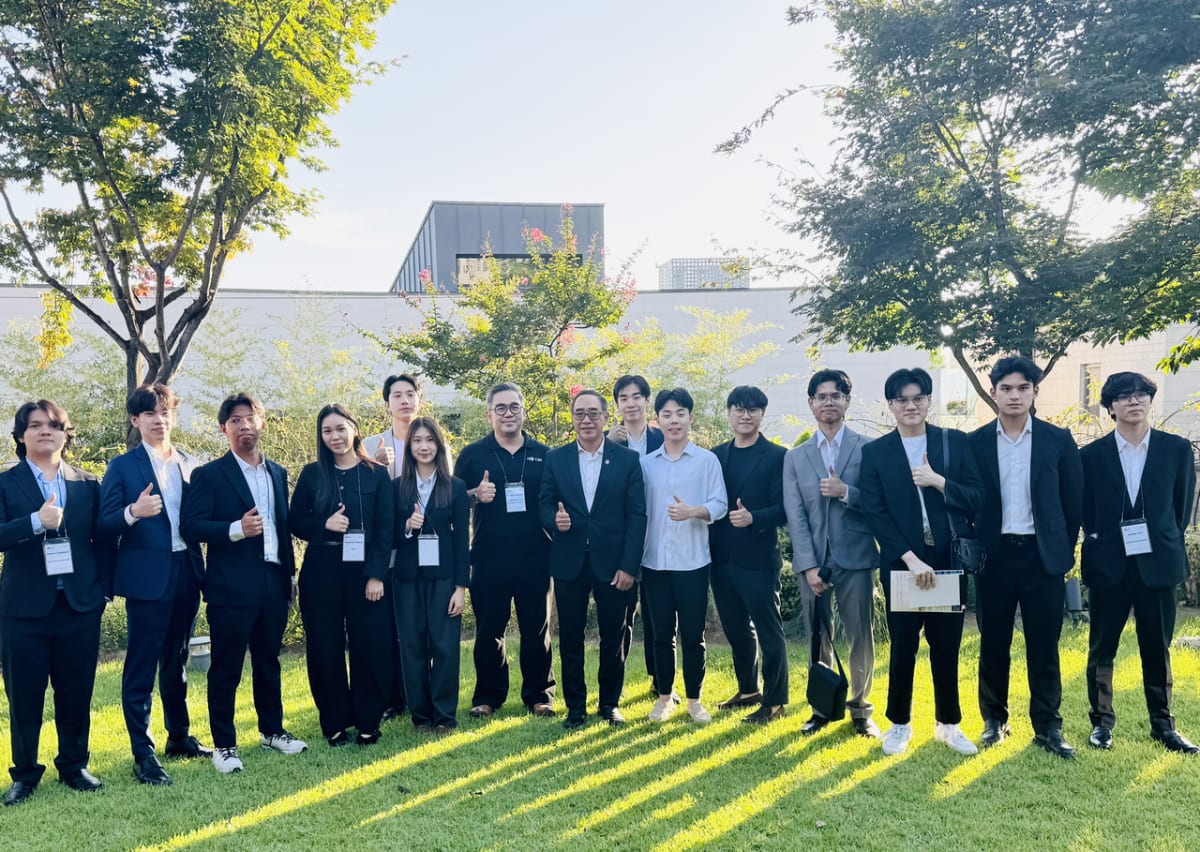
The Thai Embassy in Seoul is leading an ambitious initiative to connect entrepreneurs from both countries with partners, customers, and testing grounds. Ambassador Tanee Sangrat announced at a recent startup event that the embassy is renovating its first floor to house STSiS, an organization dedicated to bridging the two startup ecosystems.
The partnership works both ways. Thai startups get help entering South Korea's demanding market, while Korean companies gain access to Thailand as a proving ground for new technologies and a gateway to Southeast Asia.
But success requires more than a good idea and a translated pitch deck. Piyada Sukonpan, who leads strategy at STSiS, warns that South Korea's sophisticated consumers and intense competition make it one of Asia's toughest markets.
Foreign startups must prove they can solve Korean problems better than existing local solutions. A translated website or pilot project won't automatically win contracts.
Thai startups often need more development time before they're ready for Korea's high standards. Ronnakorn Vaiyavuth from Chulalongkorn School of Integrated Innovation says many companies remain in early stages but could become "a perfect match" with proper incubation.
Some Thai entrepreneurs see Korea primarily as a source of partners rather than customers. Chanin Traitrongsat, CEO of GMS, a sports facility booking platform, wants to partner with Korean companies in golf simulators and co-working spaces to expand in Thailand, not Korea.
His app integrates with Line, the messaging platform popular in Thailand, letting customers book sports facilities, pay, and access them without on-site staff. Korean companies seeking to enter Thailand with services adapted to local behavior could find natural allies in startups like his.
The Ripple Effect
This partnership model challenges the traditional view of international business as simply selling products across borders. Instead, it treats each country as having unique strengths: Korea's advanced technology and consumer market sophistication, and Thailand's position as a Southeast Asian hub with room for innovation testing.
Universities, embassies, and private organizations are collaborating to ensure startups get real preparation, not just introductions. The focus on evidence and product-market fit over hype reflects a maturing startup ecosystem in both countries.
As the partnership develops, it could serve as a model for other nations looking to build meaningful cross-border innovation networks. Success here means startups from both countries grow stronger together than they would alone.
More Images


Based on reporting by Regional: thailand innovation (TH)
This story was written by BrightWire based on verified news reports.
Spread the positivity!
Share this good news with someone who needs it