Thailand Releases Endangered Leopard Sharks Back to the Wild
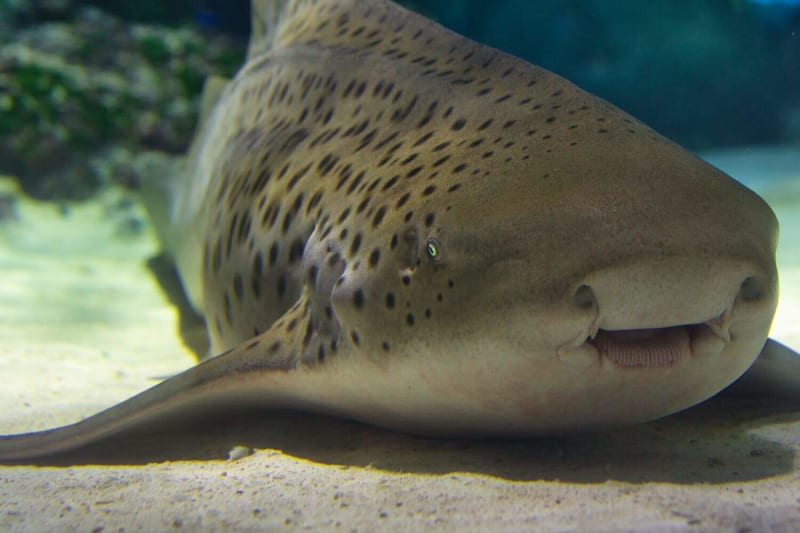
In waters where leopard sharks had nearly vanished, a Thai conservation project is releasing captive-bred shark pups into the ocean after training them with dedicated "shark nannies." The effort is part of a global movement to save shark species from extinction.
Off the coast of Maiton Island in Thailand, endangered leopard sharks are getting a second chance at survival thanks to an innovative conservation program that treats baby sharks like students preparing for the wild.
The Indo-Pacific leopard shark population has crashed by more than 70 percent since 1970. Commercial fishing, the shark fin trade, and habitat loss pushed these gentle coastal creatures to the brink of extinction. Around Maiton Island, they had almost completely disappeared.
The StAR Project Thailand decided to change that story. This collaboration between the Thai government, conservation groups, and aquariums breeds leopard sharks in captivity and raises the pups for their first year in aquarium tanks. During their second year, the young sharks move to a sea pen off the aquarium pier where something remarkable happens.
Trained human caretakers called "shark nannies" spend months teaching the pups essential survival behaviors. The sea pen environment helps them adjust to natural ocean conditions before their big release day. When each pup is ready, veterinarians conduct health checks, collect DNA samples, and attach acoustic tracking devices that ping underwater receivers across Phang Nga Bay.
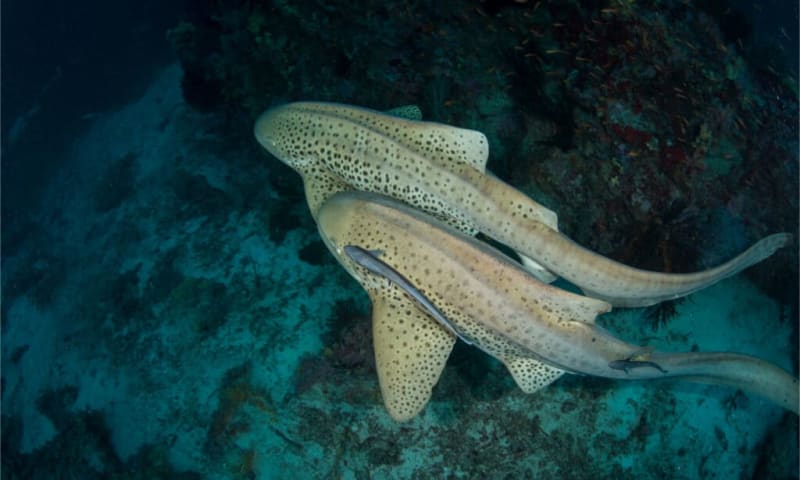
In December 2025, the project released four pups named Maiton, Hope, Spot, and Toty. That brought the total to seven leopard sharks now swimming free in waters where their species had vanished. Project manager Metavee Chuangcharoendee measures success not just by release numbers but by regular diver sightings, the absence of leopard sharks in fish markets, and evidence of wild breeding.
The Ripple Effect spreads far beyond Thailand's shores. ReShark, an international network of aquariums, scientists, and communities, coordinates similar programs worldwide. The organization founded leopard shark rewilding projects in both Thailand and Indonesia, with eggs imported from accredited aquariums across North America and Australia.
Leopard sharks face unique recovery challenges because their reproductive cycle moves slowly. Eggs take four to six months to hatch, and pups need another six to eight years to reach breeding age. Quick population rebounds simply aren't possible, making every released shark precious.
Global momentum is building. In January 2026, the High Seas Treaty created the first international legal framework protecting migratory sharks in open waters. AI and smart technology now help scientists monitor shark movements and health across vast ocean distances.
These pups swimming through Phang Nga Bay represent more than individual sharks returning home. They're proof that with patience, dedication, and science, we can restore what seemed lost forever.
More Images


Based on reporting by Google: species saved endangered
This story was written by BrightWire based on verified news reports.
Spread the positivity!
Share this good news with someone who needs it