Thailand's 89-Foot Dinosaur Discovery Stuns Scientists
A Thai resident spotted odd rocks by a pond in 2016 that turned out to be bones from a 27-meter-long dinosaur weighing as much as nine elephants. Scientists just named this giant Nagatitan, possibly the largest dinosaur ever found in Asia.
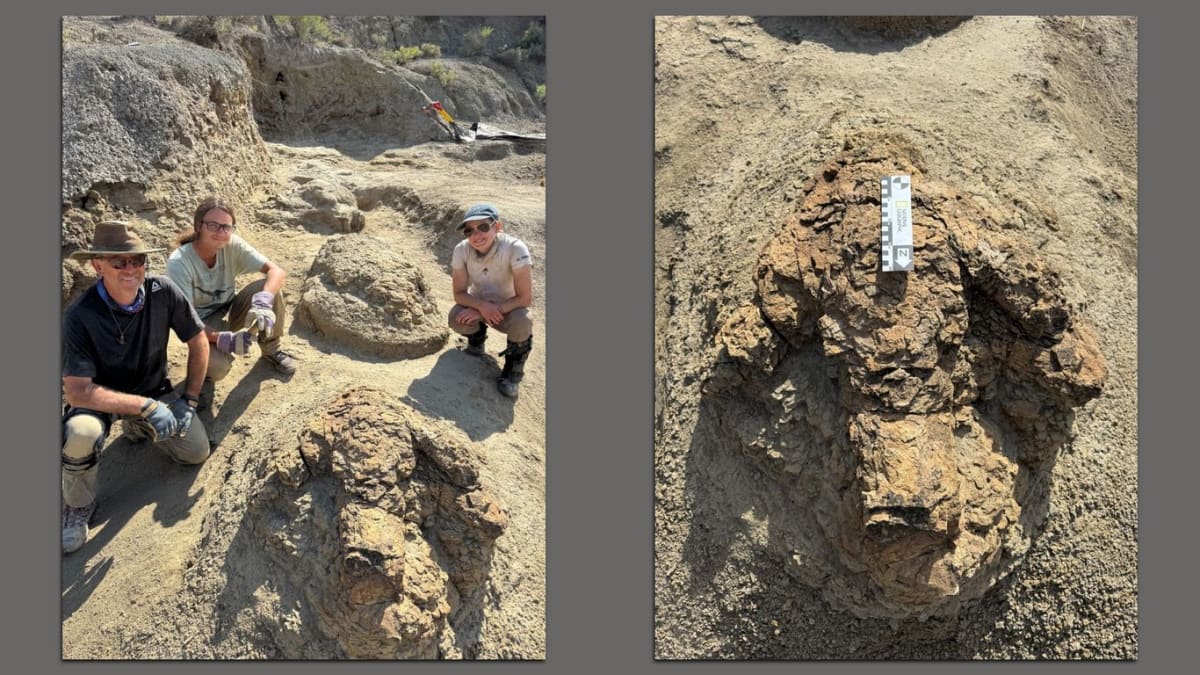
When Thanom Luangnan noticed strange rocks near a public pond in Thailand's Chaiyaphum province back in 2016, he had no idea he'd just stumbled upon one of Asia's most significant dinosaur discoveries. Those "rocks" turned out to be bones from a creature that roamed the Earth 113 million years ago.
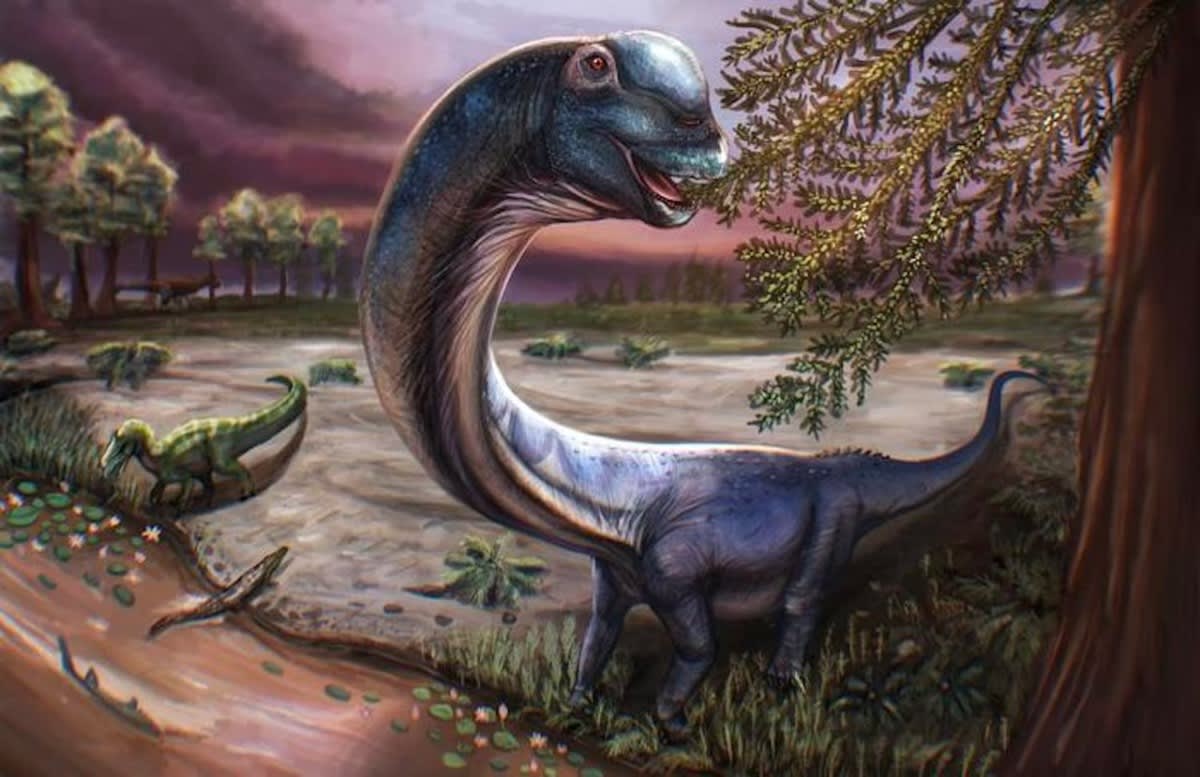
Paleontologist Sita Manitkoon, a National Geographic explorer, led the team that spent years carefully studying the fossils. What they found took their breath away: a dinosaur stretching more than 89 feet from head to tail and weighing close to 30 metric tons.
The team named this new species Nagatitan chaiyaphumensis, honoring both the Chaiyaphum province and the Naga, a mythical serpent from Southeast Asian folklore. The "titan" part references the legendary giants of Greek mythology, fitting for the fourteenth officially named dinosaur in Thailand.
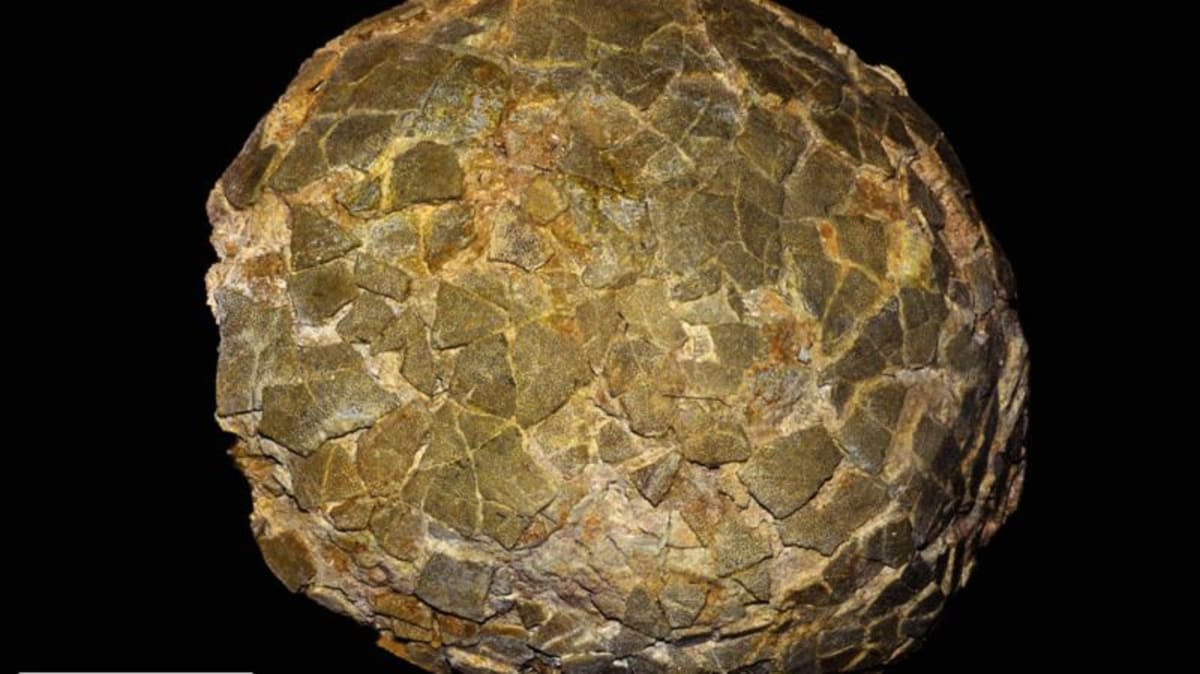
Among the recovered fossils, one forelimb bone measures 5 feet 10 inches long, about as tall as an average person. Scientists believe this is the most complete sauropod specimen ever found from the Khok Kruat geological formation, giving them an unprecedented window into life during the Cretaceous period.
Nagatitan belonged to the sauropod family, those iconic long-necked, plant-eating dinosaurs that include favorites like Diplodocus and Brontosaurus. Specifically, it was part of Euhelopodidae, a group found only in Asia.
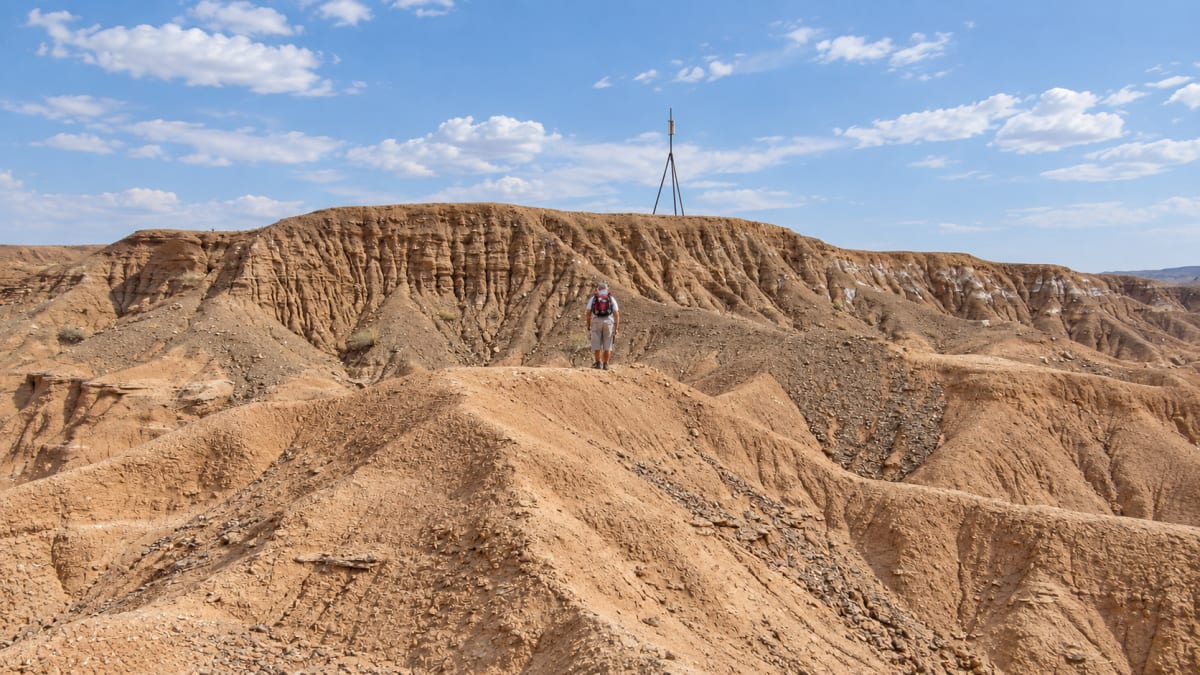
Back in Nagatitan's time, Thailand sat closer to the equator in a hot, dry landscape resembling today's grassland savannas. The giant herbivore shared its world with smaller dinosaurs, massive predators like spinosaurids, and pterosaurs that fished in winding river networks teeming with crocodiles and freshwater sharks.
The Bright Side
This discovery opens exciting doors for future finds. Scientists believe Nagatitan represents one of the first examples of a "gigantism phase" that spread among Cretaceous sauropods, with some Asian species eventually growing even larger.
Researchers figured out how these giants survived tropical heat without overheating. Their long necks provided extra surface area for cooling, while unique air sacs throughout their bodies worked like natural air conditioning, releasing heat with every breath.
Scientists have started calling Nagatitan "the last titan of Thailand" because it comes from the youngest rock formation in the country known to contain dinosaur fossils. Shortly after its time, the entire area was submerged beneath a shallow sea, ending the region's age of giants.
The best part? Paleontologists believe Thailand's fossil collections likely hold several more undiscovered sauropods waiting to reveal entirely new species and help scientists understand Earth's largest land animals.
More Images




Based on reporting by Google: fossil discovery
This story was written by BrightWire based on verified news reports.
Spread the positivity!
Share this good news with someone who needs it