Tiny Backpacks Reveal Alaska Warblers' 6,800-Mile Journey
Scientists used Tic Tac-sized tracking devices to solve a 125-year-old mystery about where Alaskan songbirds spend their winters. The answer surprised everyone: these tiny warblers take a 6,800-mile detour across an entire continent instead of flying straight south.
A bird weighing less than a spoonful of sugar just rewrote what scientists thought they knew about migration.
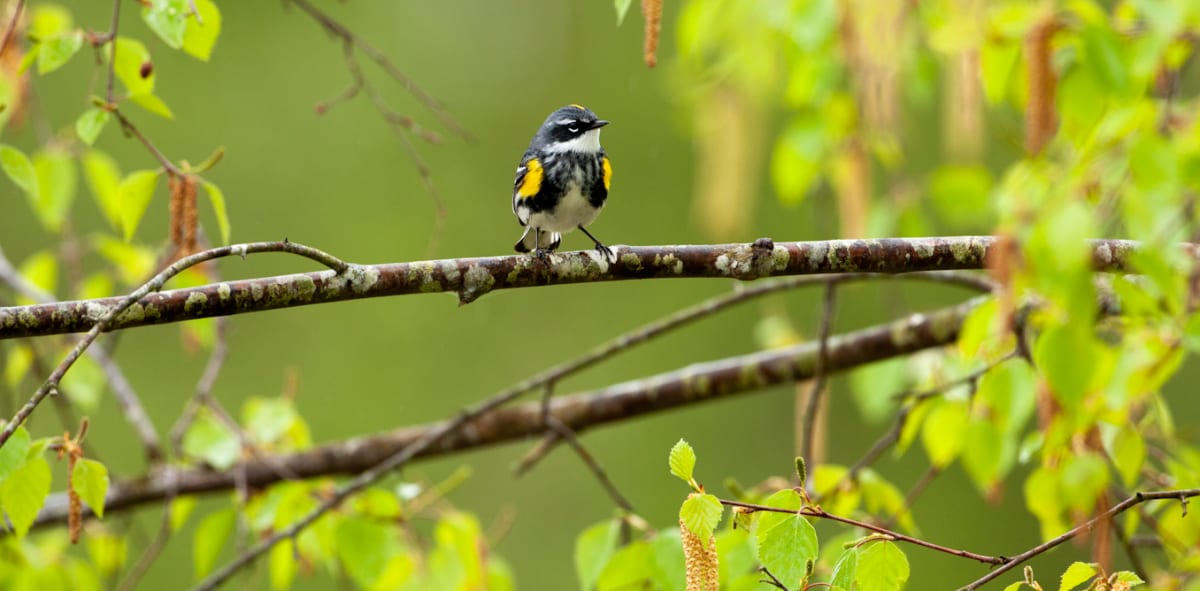
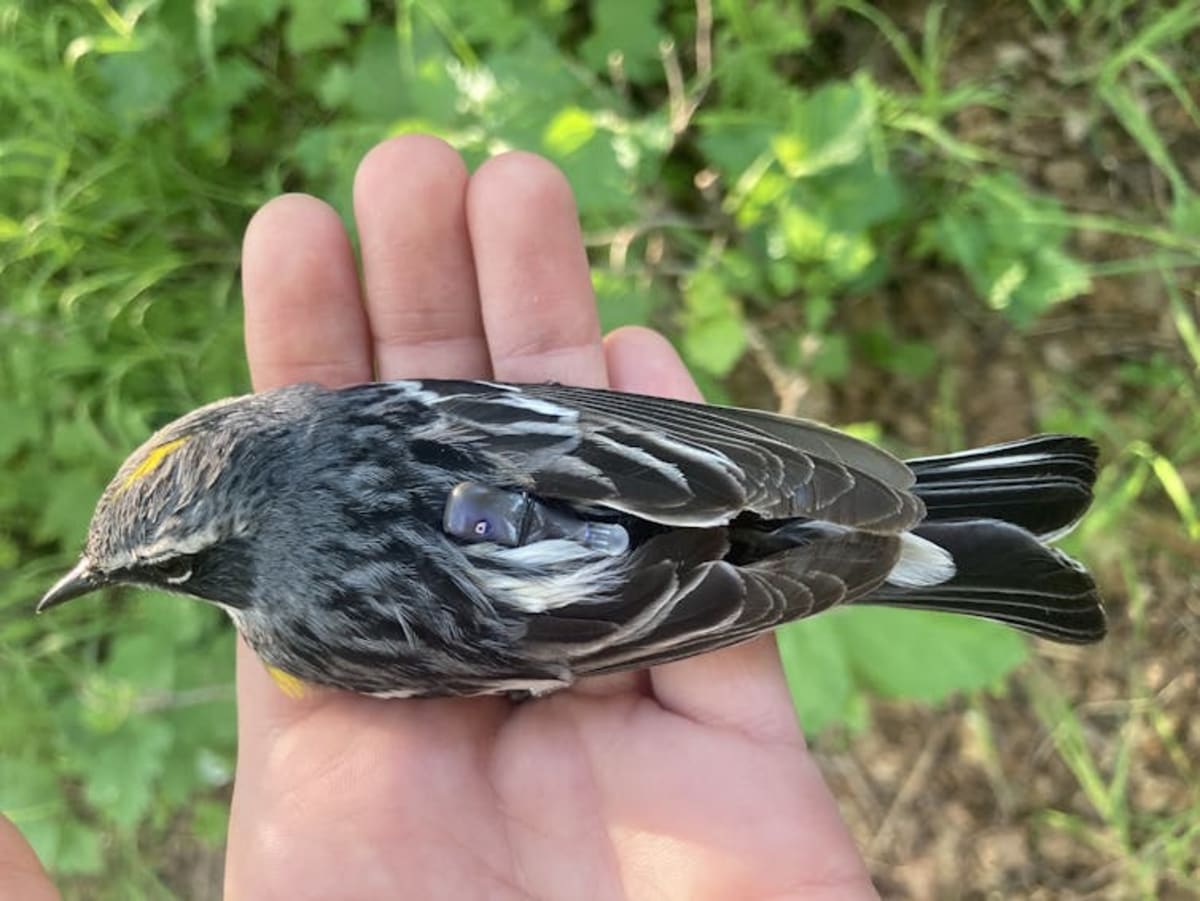
Researcher Stephanie Szarmach spotted the flash of red bands on a yellow-rumped warbler's legs in Anchorage, Alaska, and knew she'd found something special. This tiny songbird had just completed a year-long journey wearing a miniature backpack that tracked every mile of its migration.
The tracking device, no bigger than a Tic Tac, represents a breakthrough in understanding how small birds navigate our planet. For decades, researchers could only track larger birds because GPS units were too heavy for songbirds. These new atmospheric pressure sensors changed everything.
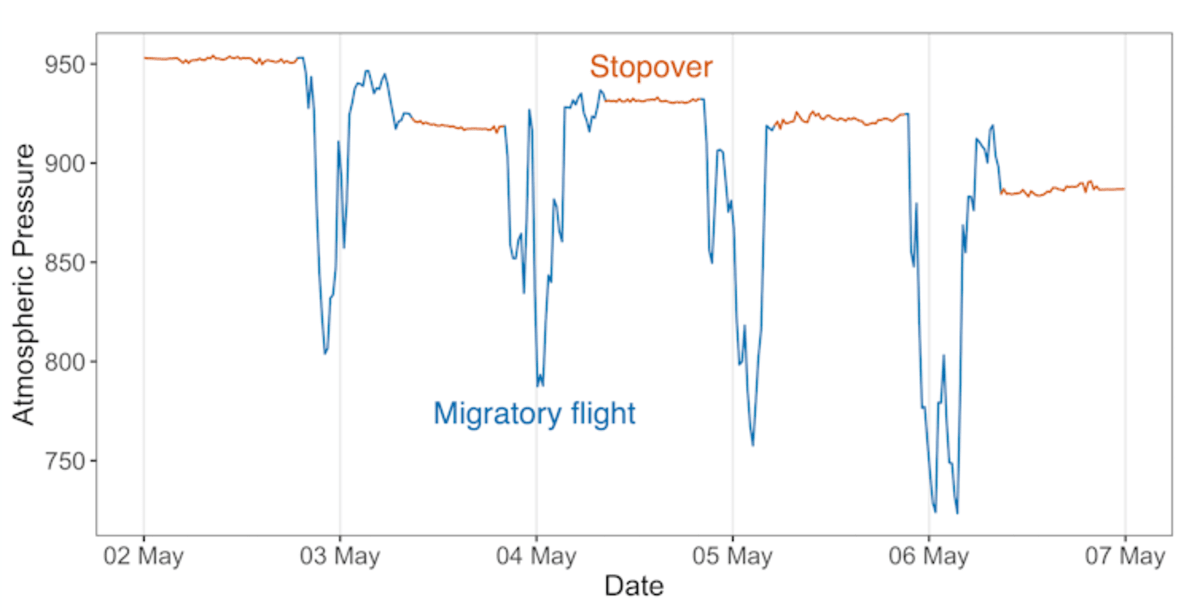
The tags work like fitness trackers for birds. When a warbler takes flight, the device records a steep drop in air pressure. Between flights, it captures elevation data that helps pinpoint the bird's location within miles rather than hundreds of miles off target.
What Szarmach and her adviser David Toews discovered rewrote the textbooks. In 1899, ornithologist Richard McGregor watched these warblers winter in coastal California and guessed they must breed in Alaska. His hypothesis made perfect sense: fly straight south down the Pacific Coast to reach sunny California.
But these birds had other plans. Instead of taking the shortest route, every single tracked warbler flew east across Canada's entire boreal forest before turning south to the Gulf Coast. The round trip totaled 6,800 miles, making these supposed "medium-distance migrants" into marathon flyers.
Why This Inspires
This discovery shows that nature still holds mysteries waiting to be solved, even about creatures living in our backyards. Technology small enough to ride on a bird's back is unlocking secrets that puzzled scientists for over a century.
The breakthrough opens doors for protecting thousands of songbird species whose migration routes remain unknown. Understanding where these birds travel helps conservationists protect the stopover sites and winter habitats they need to survive.
These butter-yellow warblers proved that sometimes the longest journey leads home, and that patience pays off when solving nature's puzzles. After a year of waiting to recapture his tagged birds, Szarmach finally held the answer to a question first asked in the 1800s.
The tiny backpacks are already helping researchers track dozens of small bird species that were previously impossible to monitor. Each recovered tag adds another piece to the puzzle of how millions of songbirds navigate thousands of miles twice a year.
Sometimes the smallest creatures take the biggest journeys to teach us there's still wonder waiting to be discovered.
More Images


Based on reporting by Google News - Science
This story was written by BrightWire based on verified news reports.
Spread the positivity!
Share this good news with someone who needs it