Tourists Help Protect Amazon by Tracking Wildlife
In Peru's Amazon, vacationers are spending their trips collecting scientific data that helps protect one of the world's most biodiverse regions. Their research has already contributed to government protections for Indigenous lands and rare wildlife.
Imagine spending your vacation in the Amazon rainforest, not just sightseeing, but actually helping scientists protect pink dolphins, giant river otters, and hundreds of rare bird species.
That's exactly what's happening along Peru's Yarapa River, where biologist Richard Bodmer welcomes tourists to his solar-powered research station. For decades, visitors have joined him through Earthwatch Expeditions to track wildlife and collect ecosystem data in the Tamshiyacu Tahuayo Regional Conservation Area.
The work is straightforward but meaningful. Each evening, participants choose an animal to survey, pick a location, and head out the next morning. Some take small boats to count parrots and other birds, calling out GPS coordinates while others record sightings on clipboards.
"There, we would watch and wait," says Jared Katz, a Vermont psychotherapist who joined a trip earlier this year with his wife. The data they collected joins decades of observations that paint a picture of how the Amazon ecosystem is changing.
These findings matter beyond scientific journals. The research has directly supported the region's protected status and helped convince the Peruvian government to recognize Indigenous management of the land. It's proof that humans can coexist with nature rather than needing to stay out entirely.
The Ripple Effect
The station runs entirely on solar power and eliminated diesel fuel, a rare achievement in remote regions where generators typically run constantly. They source most food locally and only use air conditioning during extreme heat.
"It was hot and absolutely uncomfortable at times," Katz admits. "But it was well worth it to me, because I knew we were being better stewards."
This model offers governments an alternative to extractive industries. Instead of mining, damming rivers, or clearing land for agriculture, communities can generate income by protecting ecosystems. When tourists pay to help with conservation research, they create economic value tied directly to keeping nature intact.
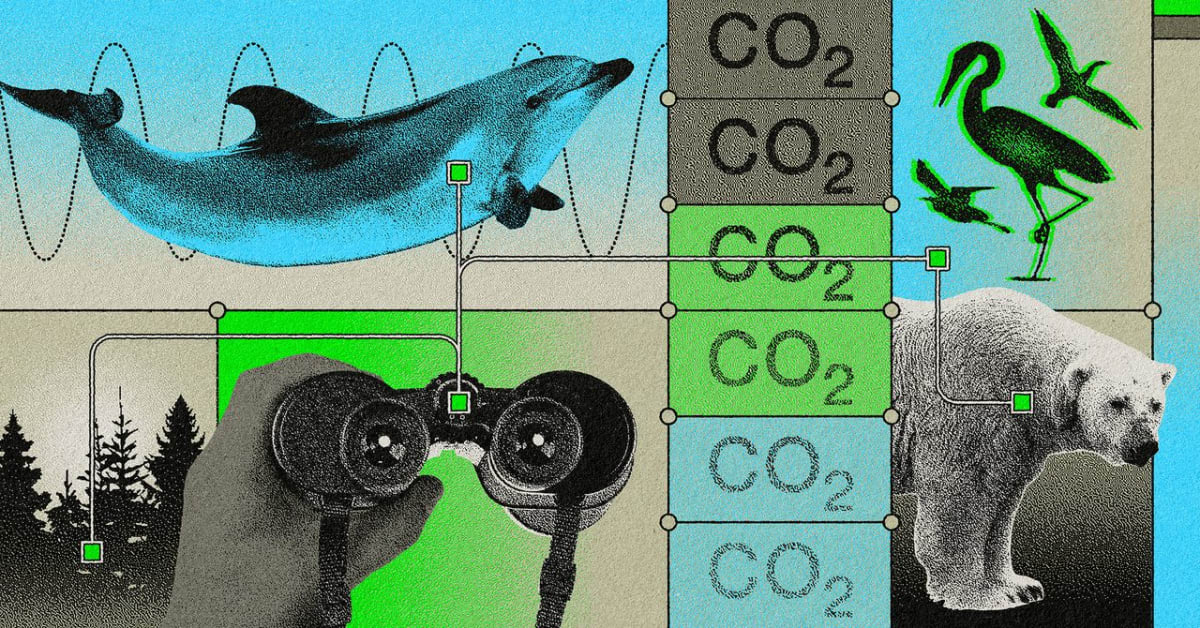
The approach is spreading through Earthwatch's nearly two dozen trips worldwide, from tracking polar bears in the Arctic to monitoring whooping cranes in Texas. Small-scale operations with local ownership and community involvement make the difference between genuine conservation and greenwashing.
Recent flooding in the Amazon appears to be affecting ground-dwelling animals more than tree-dwelling primates, according to the ongoing research. Birds shifting their roosting patterns suggest changes in the aquatic landscape. These insights only emerge from years of consistent observation by scientists and their volunteer helpers.
Now visitors sleep on a restored 19th-century rubber transport vessel, wake before dawn to track wildlife, and return home knowing their vacation contributed to protecting one of Earth's most precious ecosystems.
More Images




Based on reporting by Wired
This story was written by BrightWire based on verified news reports.
Spread the positivity!
Share this good news with someone who needs it