UK Organic Food Market Sees Biggest Boom in 20 Years
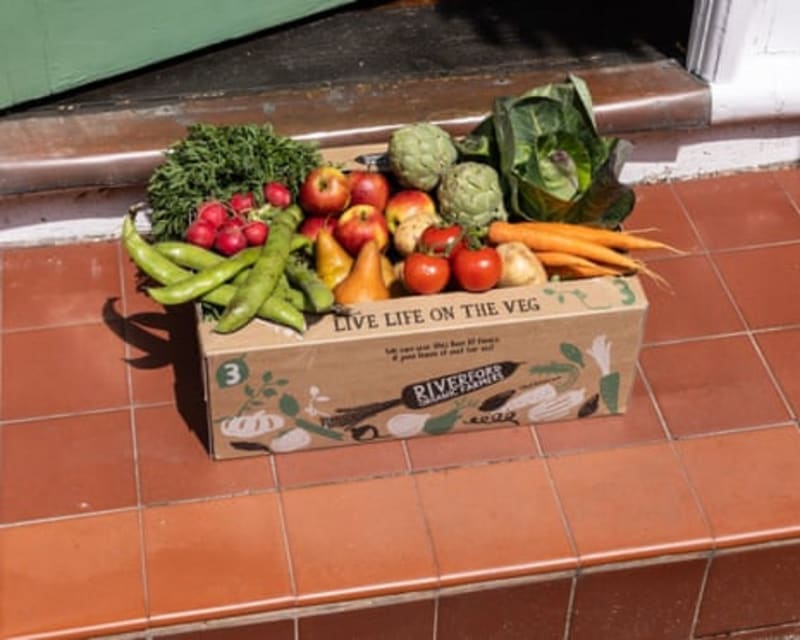
British shoppers searching for trustworthy, healthy food have sparked the UK organic market's strongest growth in two decades, with sales jumping 9% last year. Employee-owned vegetable box company Riverford reported 6% sales growth and rewarded workers with a £1.1 million bonus.
The UK organic food market is experiencing its most exciting growth spurt since the early 2000s, proving that consumers are willing to invest in food they can trust.
Riverford, the Devon-based organic delivery business, saw sales climb to £117 million in the year ending May 2025. The employee-owned company, which started with founder Guy Singh-Watson delivering vegetable boxes to 30 friends in 1993, now sends out 70,000 boxes weekly packed with organic vegetables, meat, cheese, and recipe ingredients.
The growth story extends far beyond one company. The entire UK organic food and drink market expanded by nearly 9% last year, significantly outpacing the wider food industry.
CEO Rob Haward credits the surge to people prioritizing healthy eating and seeking reliable food sources. "We haven't seen the market grow as much as this for 20 years," he said, noting that both new customers discovered the service and existing ones increased their spending.
Organic meat sales proved particularly popular, now accounting for one-tenth of Riverford's business. Shoppers increasingly want higher welfare meat from sources they can verify and trust.
The company's success translated directly into worker benefits. Riverford's 1,000 employees each received an equal share of a £1.1 million bonus, on top of earning at least the living wage and participating in business decisions.
The Ripple Effect
This organic boom signals a meaningful shift in how people think about food. While organic products still represent just 2% of UK food sales, compared to much higher rates in Denmark and Germany, the rapid growth suggests British consumers are catching up.
The movement extends beyond personal health. Riverford now runs 70% of its delivery vans on electricity and operates two electric trucks, while working with farms on nature recovery projects that combine tree planting with livestock grazing.
Farmers face challenges meeting rising demand, partly due to uncertainty around government support programs. But the relaunched sustainable farming incentive offers hope for expanding organic production to match consumer interest.
The story also demonstrates that doing business responsibly can work financially. Even while absorbing some cost increases rather than passing them fully to customers, Riverford maintained profitability and rewarded the employees who own the company.
Haward remains optimistic despite ongoing pressures from higher wages, energy costs, and Brexit-related paperwork. "Customers care deeply about where their food comes from, how it's produced and who benefits," he said.
The organic market's resurgence after difficult years shows that values-driven shopping isn't just a trend but a growing movement toward transparency and quality in the food system.
More Images



Based on reporting by Guardian Environment
This story was written by BrightWire based on verified news reports.
Spread the positivity!
Share this good news with someone who needs it