UK Rejoins EU Research, Powers Safer Cars and Green Tech
Since the United Kingdom rejoined Horizon Europe in 2024, cross-border research is delivering breakthrough technologies that make automated vehicles safer in bad weather and create brain-inspired AI that uses a fraction of normal energy. These collaborations are proving that complex global challenges need international expertise working together.
Automated vehicles are getting dramatically safer in rain and snow thanks to researchers from across Europe and the United Kingdom working together on problems too tough for any country to solve alone.
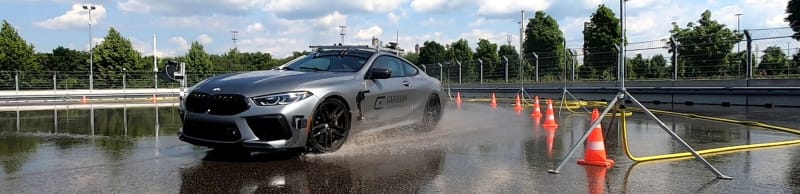
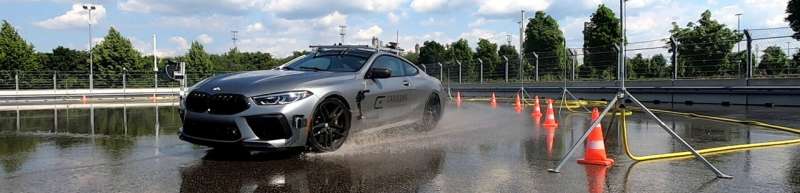
On a test track in southern Germany, engineers watch automated vehicles navigate through simulated heavy storms. Rain, fog and snow distort the sensor signals that self-driving cars rely on, creating dangerous situations for both future driverless vehicles and today's cars that use automated braking and speed control.
The ROADVIEW project brings together researchers from multiple countries, including Professor Valentina Donzella from Queen Mary University of London. She provides specialist expertise in how sensors collect and interpret data when environmental conditions make everything harder to see.
"The problems we are facing are so difficult that even industry cannot face them alone," Donzella said. "We really need this kind of collaboration and complementary expertise coming together."
Professor Werner Huber from the Technical University of Ingolstadt leads the testing at world-class facilities that simulate real and virtual driving environments. His team aims to expand safety testing for new cars to include adverse weather, potentially reducing accidents and saving lives across Europe.
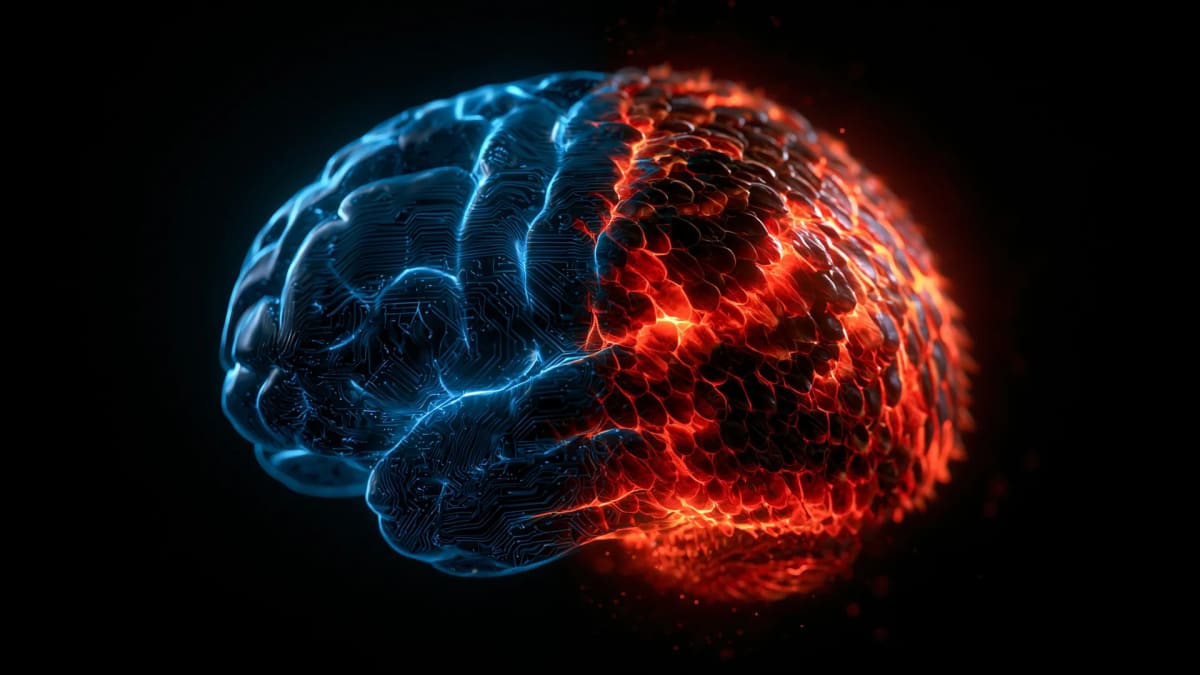
Meanwhile, another collaboration called NimbleAI is teaching machines to see like humans using brain-inspired technology. Researchers from eight EU countries and several UK universities are developing neuromorphic vision systems that mimic both human and insect eyes.
The breakthrough combines human visual attention with the energy efficiency of compound insect eyes. The system processes information using short electrical spikes, similar to how the human brain works, instead of continuous data streams that drain power.
"What we're trying to do is achieve intelligent processing at a fraction of the energy cost, and that changes what is possible," said Dr. Oliver Rhodes from the University of Manchester. The technology could transform robots, drones, vehicles and smart devices used in healthcare, manufacturing and emergency response.
The Ripple Effect
These collaborations became possible when the UK rejoined Horizon Europe on January 1, 2024. The program connects researchers across borders to tackle challenges too complex for individual countries or companies.
Dr. Xabier Iturbe from IKERLAN research center in Spain coordinates the NimbleAI project. "Neuromorphic AI is highly interdisciplinary, combining expertise in biology, optics, hardware, software and AI," he explained. "Horizon Europe allows us to bring together the real experts on each part of the problem."
For his team, UK participation made the difference between concept and reality. "Their contribution gave us a boost in moving from a concept toward real system," Iturbe said. "We have gone from zero to a strong pace of innovation in neuromorphic technology in record time."
The partnerships extend beyond vehicles and AI into greener medicine manufacturing and other fields where international expertise creates breakthrough solutions that benefit everyone.
More Images
Based on reporting by Phys.org - Technology
This story was written by BrightWire based on verified news reports.
Spread the positivity!
Share this good news with someone who needs it